

DeDial vs Steady: Sales Countdown Timer
Two Shopify apps, side by side: detected stores, momentum, reviews, plans, listed features and who runs each. Store counts as of Feb 19, 2026 for DeDial, Oct 27, 2026 for Steady.
The short answer
- Only Steady lists a free plan.
- DeDial lists 12 features Steady’s listing doesn’t mention, including Animations, Announcement bar, Cart page.
Head to head


Free
- · A storewide bar in the page flow
- · Fixed, per-visitor and daily timers
- · One live countdown, free forever
- · Product pages and landing pages
- · Unlimited drafts and theme previews
$7 a month
- · Bars that stay in view, top or bottom
- · Run several countdowns at once
- · Timers that start at the cart
Coverage counts what each App Store listing names. Every feature, checked off app by app, is in Shoplist.
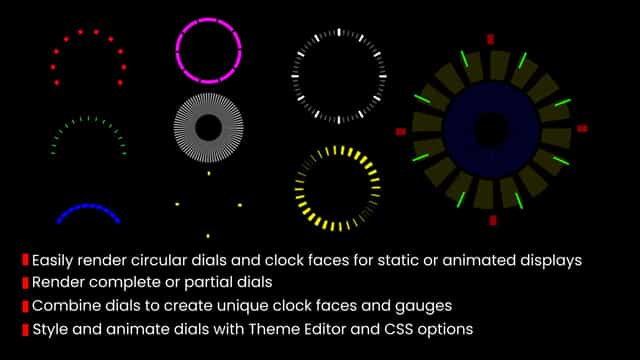
See every featureDeDial is a set of Web Components whose primary purpose is to draw circular dials, counters, and timers. Dials can be used to represent animated gauges, or the ticks on a clock dial, or segments of a targeting sight. Additionally, animated countdowns can be initiated to add a more dynamic feel to any store.
Pick the moment your sale ends and Steady counts down to it — the same moment for every shopper, in your store's timezone. Or schedule a start, or give each shopper their own time. A block in a section, or a bar across your store: at the top the bar pushes the page down; on the paid plan the bar can stay in view at the top or bottom, making room for your theme's sticky header and bottom buy button, and shoppers can…
- Render varied circular dials for static or animated displays, and clock faces.
- Animated forward and reverse counter with optional JavaScript interface.
- Smooth SVG scaling and CSS support from the theme editor.
- One real deadline. The same end time for every shopper, no per-visitor resets.
- A block inside your section, not a bar over your page. It cannot cover a menu.
- Set it in your store's timezone and read the exact moment back before saving.
- Already on the page when it opens, and gone completely when you remove the app.


All the numbers
Every figure, side by side
A green dot marks the app ahead on a measured figure. Estimates, gaps and apps that leave no storefront trace never take the lead.
Adoption
| Measure |  DeDial |  Steady |
|---|---|---|
| Detected stores | Not published | Not published |
| Net store change, 28 days | 0 | 0 |
| Stores added, 28 days | Not enough data | Not enough data |
| Big-brand share | Not enough data | Not enough data |
| Top store categories | Not published | Not published |
| Top store countries | Not published | Not published |
Reviews
| Measure | DeDial | Steady |
|---|---|---|
| App Store rating | Not published | Not published |
| App Store reviews | Not published | Not published |
| New reviews, 28 days | Not enough data | Not enough data |
| Reviewers a year or more in | Not enough data | Not enough data |
FAQ
DeDial and Steady: common questions
- Is DeDial or Steady cheaper?
- Only Steady lists a free plan. Shoplist compares base prices only between monthly plans in the same currency; usage charges and annual plans vary, so check each plan’s limits.
- What features does each app list that the other doesn’t?
- DeDial lists 12 the others don’t mention, such as Animations, Announcement bar, Cart page, Checkout page. Steady lists 2 the others don’t mention, such as Fixed end date, One-time. A feature missing from a listing may still be supported; this compares what each App Store listing says.
- Where does this comparison’s data come from?
- Shoplist crawls Shopify storefronts to detect which apps each store runs, and reads each app’s Shopify App Store listing for reviews, pricing, features and integrations. Store counts are as of Feb 19, 2026 for DeDial, Oct 27, 2026 for Steady; estimated figures are labeled.
How Shoplist compares apps
Store counts come from Shoplist’s crawl of Shopify storefronts, which detects the apps each store runs; they are as of Feb 19, 2026 for DeDial, Oct 27, 2026 for Steady. Reviews, ratings, plans, features and integrations come from each app’s Shopify App Store listing. 28-day figures are labeled when estimated, and a figure that is missing or estimated never decides who leads. Read the methodology.