
AIMpact vs MAI: AI Performance Marketing
Two Shopify apps, side by side: detected stores, momentum, reviews, plans, listed features and who runs each. Store counts as of Nov 8, 2026.
The short answer
- MAI is detected on 5.9× as many Shopify stores as AIMpact: 41 vs 7 as of Nov 8, 2026.
- Only MAI lists a free plan.
- MAI lists 19 features AIMpact’s listing doesn’t mention, including Audience segments, Automated campaigns, Behavior.
Head to head


- Germany
- United States
- Chile
- Hong Kong
MAI
- · AI data scientist for your business
- · AI marketing ops across channels
- · AI strategist for campaign growth
MAI OS
MAI OS
MAI Plus
- · Autonomous AI agents for ads management
- · Dedicated Client Partner support
- · Everything in MAI Free plan, plus:
Coverage counts what each App Store listing names. Every feature, checked off app by app, is in Shoplist.
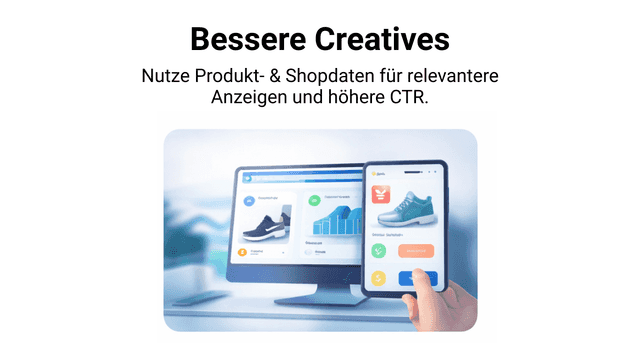
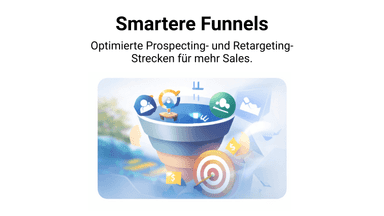
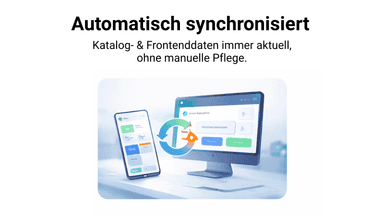
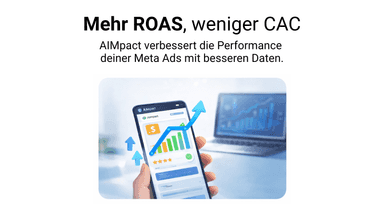
See every featureAIMpact nutzt Ihre Shopify-Katalog- & Frontenddaten, um die Performance Ihrer Meta Ads zu verbessern. Optimieren Sie Creatives, Funnels und Retargeting mit einer zentralen, stets aktuellen Datenbasis. Für mehr Sales, niedrigere CACs und besseren ROAS, automatisch und ohne manuellen Aufwand.
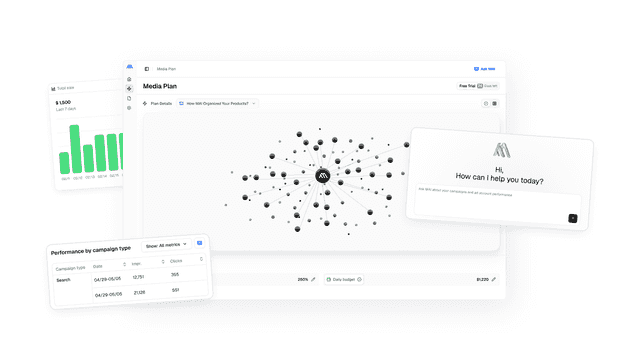
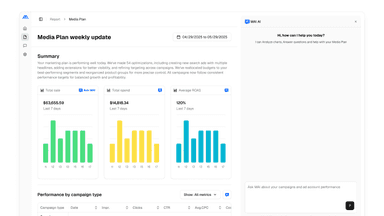
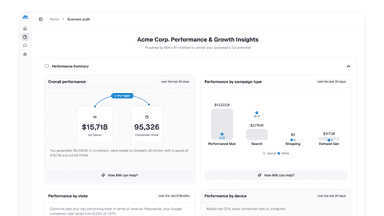
MAI is an AI performance marketing agent that brings your Shopify store and advertising data together so you can understand what's driving results and decide what to do next. Connect Shopify with Google Ads, Meta Ads, Microsoft Ads, and Google Analytics. Instead of switching between dashboards and piecing together what happened, ask MAI questions in plain language and investigate your marketing from one place.
- Optimiert Meta Ads mit Shopify-Daten: bessere Creatives, besserer ROAS
- Synchronisiert Katalog & Frontenddaten automatisch zu einer zentralen Datenbank
- Verbessert Funnels & Retargeting für mehr Sales und niedrigere CACs
- First party pixel provides deep integration with your Shopify site
- Creates audit of your accounts and shows how MAI can help
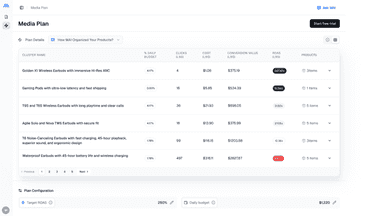
- Groups your products into granular campaigns based on performance metrics
- Analyze performance daily, updates products and ROAS for each campaign


All the numbers
Every figure, side by side
A green dot marks the app ahead on a measured figure. Estimates, gaps and apps that leave no storefront trace never take the lead.
Adoption
| Measure |  AIMpact |  MAI |
|---|---|---|
| Detected stores | 7 | 41(ahead) |
| Net store change, 28 days | 0 | 0 |
| Stores added, 28 days | Not enough data | Not enough data |
| Big-brand share | Not enough data | Not enough data |
| Top store categories | Food, Beverages & Tobacco, Hardware, Animals & Pet Supplies | Apparel & Accessories, Health & Beauty, Sporting Goods |
| Top store countries | Germany | United States, Chile, Hong Kong |
Reviews
| Measure | AIMpact | MAI |
|---|---|---|
| App Store rating | Not published | 5.0 ★ |
| App Store reviews | Not published | 2 |
| New reviews, 28 days | Not enough data | Not enough data |
| Reviewers a year or more in | Not enough data | Not enough data |
FAQ
AIMpact and MAI: common questions
- Which is more popular, AIMpact or MAI?
- MAI is detected on 5.9× as many Shopify stores as AIMpact: 41 vs 7 as of Nov 8, 2026.
- Is AIMpact or MAI cheaper?
- Only MAI lists a free plan. Shoplist compares base prices only between monthly plans in the same currency; usage charges and annual plans vary, so check each plan’s limits.
- What features does each app list that the other doesn’t?
- AIMpact lists 6 the others don’t mention, such as A/B testing, AI images and video, Social media, Traffic source. MAI lists 19 the others don’t mention, such as Audience segments, Automated campaigns, Behavior, Bid optimization. A feature missing from a listing may still be supported; this compares what each App Store listing says.
- Where does this comparison’s data come from?
- Shoplist crawls Shopify storefronts to detect which apps each store runs, and reads each app’s Shopify App Store listing for reviews, pricing, features and integrations. Store counts are as of Nov 8, 2026; estimated figures are labeled.
How Shoplist compares apps
Store counts come from Shoplist’s crawl of Shopify storefronts, which detects the apps each store runs; they are as of Nov 8, 2026. Reviews, ratings, plans, features and integrations come from each app’s Shopify App Store listing. 28-day figures are labeled when estimated, and a figure that is missing or estimated never decides who leads. Read the methodology.