

Zamp ‑ Sales Tax Dashboard vs Zonos Sync
Two Shopify apps, side by side: detected stores, momentum, reviews, plans, listed features and who runs each. Store counts as of Nov 5, 2026 for Zamp, Sep 10, 2026 for Zonos Sync.
The short answer
- Zamp lists 2 features Zonos Sync’s listing doesn’t mention, including Multi-currency, Rate management.
Head to head


Coverage counts what each App Store listing names. Every feature, checked off app by app, is in Shoplist.
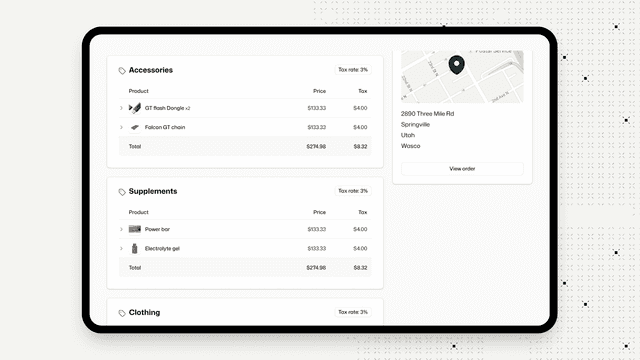
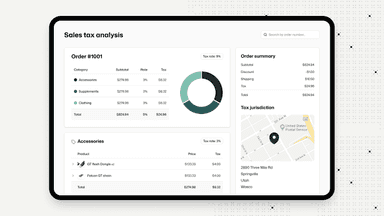
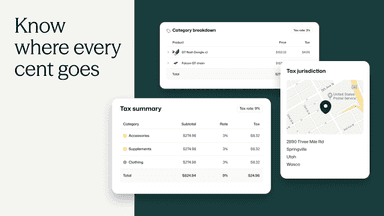
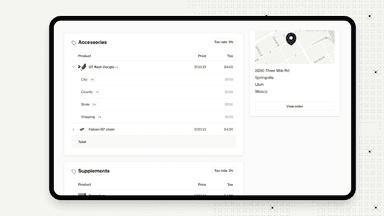
See every featureSee exactly how sales tax is calculated. Zamp breaks down every order by category and product, maps the tax jurisdiction, and lets you search by order number for instant answers. Built for merchants who need to know, not guess. Need more than calculations? Zamp's full-service solution removes sales tax from your plate entirely. Visit Zamp.com to schedule a free nexus assessment today.
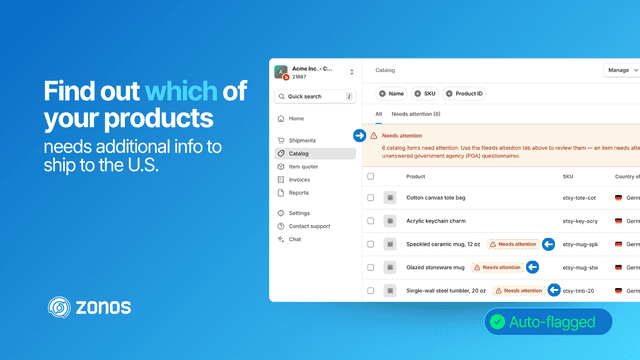
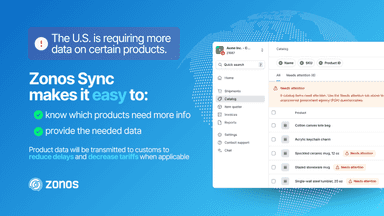
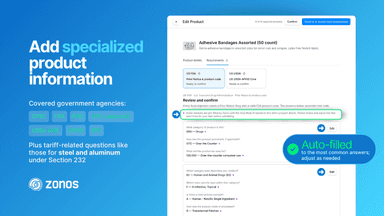
New U.S. entry rules, including Section 232 tariffs, Partner Government Agency reviews and Free Trade Agreements, mean shipments need more product data to clear customs without delays and qualify for lower duty rates. Zonos Sync auto-syncs your catalog and orders, then identifies the products that need more data, and surfaces exactly what information customs requires for each one.
- View tax totals by product category with visual charts
- Expand any product to see jurisdiction breakdowns
- Search orders by order number
- View shipping tax calculated separately
- Keeps products ready for new U.S. customs entry data requirements
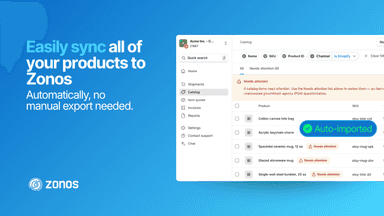
- Orders and catalog sync automatically, no manual exports
- Identifies affected products and the specific customs data each one requires
- Classifies your products and transmits the required data to customs
All the numbers
Every figure, side by side
A green dot marks the app ahead on a measured figure. Estimates, gaps and apps that leave no storefront trace never take the lead.
Adoption
| Measure |  Zamp |  Zonos Sync |
|---|---|---|
| Detected stores | Not published | Not published |
| Net store change, 28 days | 0 | 0 |
| Stores added, 28 days | Not enough data | Not enough data |
| Big-brand share | Not enough data | Not enough data |
| Top store categories | Not published | Not published |
| Top store countries | Not published | Not published |
Reviews
| Measure | Zamp | Zonos Sync |
|---|---|---|
| App Store rating | 5.0 ★ | Not published |
| App Store reviews | 2 | Not published |
| New reviews, 28 days | Not enough data | Not enough data |
| Reviewers a year or more in | Not enough data | Not enough data |
Pricing
| Measure | Zamp | Zonos Sync |
|---|---|---|
| Free plan | Not listed | Not listed |
| Lowest paid monthly plan | No monthly plan listed | No monthly plan listed |
| Longest free trial | Not listed | Not listed |
| Plans listed | Not published | Not published |
Listing
| Measure | Zamp | Zonos Sync |
|---|---|---|
| Shopify category rank | #30 | #16(ahead) |
| Shopify App Charts | Not on this week’s charts | Not on this week’s charts |
| Built for Shopify | No | No |
| Launched | Apr 24, 2026 | Aug 19, 2026 |
| Languages | 1 | 1 |
| Developer | Zamp | Zonos |
FAQ
Zamp and Zonos Sync: common questions
- What features does each app list that the other doesn’t?
- Zamp lists 2 the others don’t mention, such as Multi-currency, Rate management. Zonos Sync lists 1 the others don’t mention, such as Compliance reporting. A feature missing from a listing may still be supported; this compares what each App Store listing says.
- Where does this comparison’s data come from?
- Shoplist crawls Shopify storefronts to detect which apps each store runs, and reads each app’s Shopify App Store listing for reviews, pricing, features and integrations. Store counts are as of Nov 5, 2026 for Zamp, Sep 10, 2026 for Zonos Sync; estimated figures are labeled.
How Shoplist compares apps
Store counts come from Shoplist’s crawl of Shopify storefronts, which detects the apps each store runs; they are as of Nov 5, 2026 for Zamp, Sep 10, 2026 for Zonos Sync. Reviews, ratings, plans, features and integrations come from each app’s Shopify App Store listing. 28-day figures are labeled when estimated, and a figure that is missing or estimated never decides who leads. Read the methodology.