

Syncjob vs SyncMe
Two Shopify apps, side by side: detected stores, momentum, reviews, plans, listed features and who runs each. Store counts as of Feb 19, 2026 for Syncjob, Oct 13, 2026 for SyncMe.
The short answer
- Only SyncMe lists a free plan.
- SyncMe lists 13 features Syncjob’s listing doesn’t mention, including Barcodes, Bulk, Custom.
Head to head


Momentum
New reviews each month
Review pace is the clearest public read on how fast an app is winning new merchants.
Free Plan
- · 1 User
- · 10 Products
- · 2 Channels
- · 20 Ai Assistant Requests
Starter
- · 1 User
- · 100 Products
- · 2 Channels
- · 250 Ai Assistant Requests
Small Business
- · 2 User
- · 3 Channels
- · 300 Products
- · 700 Ai Assistant Requests
Accelerate
- · 1000 Products
- · 3000 Ai Assistant Requests
- · 5 Channels
- · 5 User
Coverage counts what each App Store listing names. Every feature, checked off app by app, is in Shoplist.
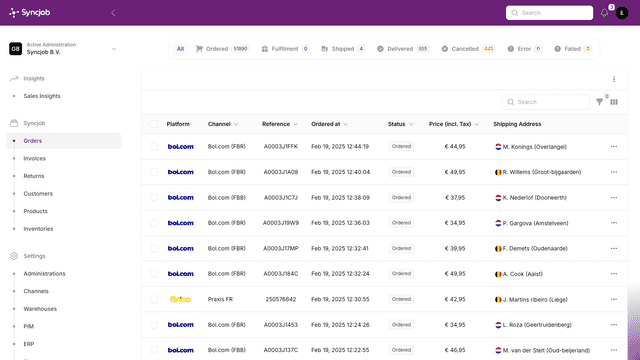
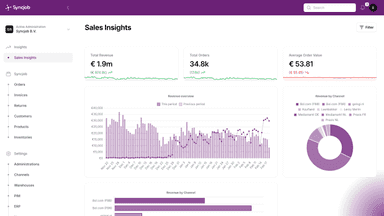
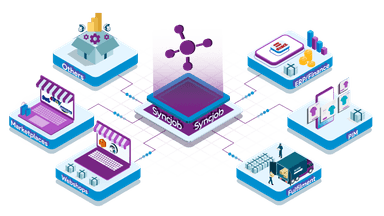
See every featureSyncjob keeps your inventory and orders in sync across Shopify, Amazon, Bol.com, Kaufland, WooCommerce, and much more sales channels. Prevent overselling with real-time stock updates, manage orders from a central dashboard, and gain multi-channel sales insights to optimize your business. Automate stock adjustments, streamline order processing, and track sales performance effortlessly.
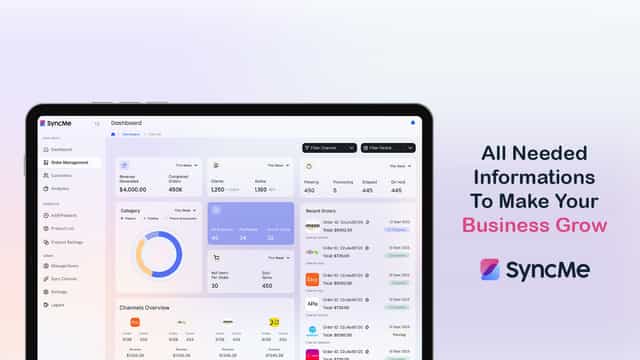
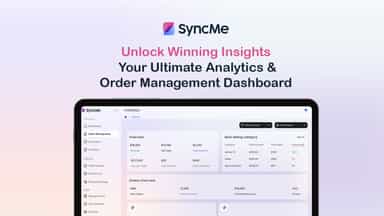
Stop losing sales to overselling, inventory mismatches, and hours of manual product entry. SyncMe solves this by syncing inventory, orders, and listings in real time across Shopify, Amazon, eBay, Noon, Woocommerce and more. Our AI automation publishes products to every channel at once, eliminating repetitive data entry. Centralize your operations, reduce costly errors, and scale faster with one dashboard.
- Multi-channel Order Synchronization
- Multi-channel Inventory Synchronization
- Multi-channel Sales Insights
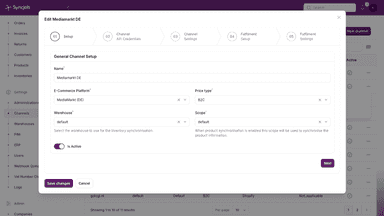
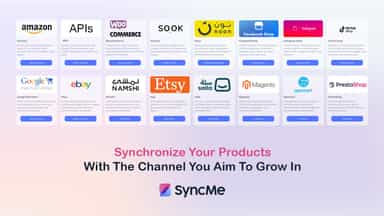
- Connect With Amazon, Woocommerce, Noon, eBay, Etsy, OpenCart, Instagram and more
- Unified product listing to list your products to multiple channels only once.
- Dynamic Syncing for your inventory between all your channels.
- Syncing orders to mange your sales channels in one place.
All the numbers
Every figure, side by side
A green dot marks the app ahead on a measured figure. Estimates, gaps and apps that leave no storefront trace never take the lead.
Adoption
| Measure |  Syncjob |  SyncMe |
|---|---|---|
| Detected stores | Not published | Not published |
| Net store change, 28 days | 0 | 0 |
| Stores added, 28 days | Not enough data | Not enough data |
| Big-brand share | Not enough data | Not enough data |
| Top store categories | Not published | Not published |
| Top store countries | Not published | Not published |
Reviews
| Measure | Syncjob | SyncMe |
|---|---|---|
| App Store rating | Not published | 4.8 ★ |
| App Store reviews | Not published | 7 |
| New reviews, 28 days | Not enough data | 0 |
| Reviewers a year or more in | Not enough data | Not enough data |
FAQ
Syncjob and SyncMe: common questions
- Is Syncjob or SyncMe cheaper?
- Only SyncMe lists a free plan. Shoplist compares base prices only between monthly plans in the same currency; usage charges and annual plans vary, so check each plan’s limits.
- What features does each app list that the other doesn’t?
- SyncMe lists 13 the others don’t mention, such as Barcodes, Bulk, Custom, Custom notifications. A feature missing from a listing may still be supported; this compares what each App Store listing says.
- Where does this comparison’s data come from?
- Shoplist crawls Shopify storefronts to detect which apps each store runs, and reads each app’s Shopify App Store listing for reviews, pricing, features and integrations. Store counts are as of Feb 19, 2026 for Syncjob, Oct 13, 2026 for SyncMe; estimated figures are labeled.
How Shoplist compares apps
Store counts come from Shoplist’s crawl of Shopify storefronts, which detects the apps each store runs; they are as of Feb 19, 2026 for Syncjob, Oct 13, 2026 for SyncMe. Reviews, ratings, plans, features and integrations come from each app’s Shopify App Store listing. 28-day figures are labeled when estimated, and a figure that is missing or estimated never decides who leads. Read the methodology.