

Skucast vs Stockcast: Inventory Forecast
Two Shopify apps, side by side: detected stores, momentum, reviews, plans, listed features and who runs each. Store counts as of Oct 13, 2026 for Skucast, Oct 14, 2026 for Stockcast.
The short answer
- Only Stockcast lists a free plan. Paid plans start at $99/month for Skucast and $19/month for Stockcast.
- Stockcast lists 14 features Skucast’s listing doesn’t mention, including Alert settings, Auto-alerts, Backorders.
Head to head


Skucast
Free
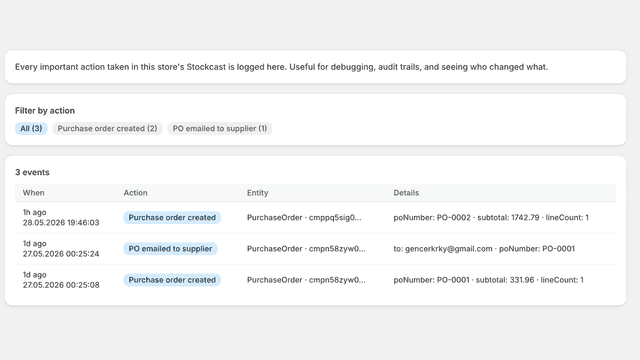
- · Audit log of all changes
- · Bulk inventory sync from Shopify
- · Email support
- · Purchase order creation & receiving
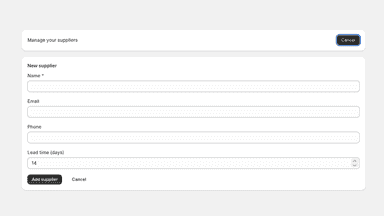
- · Supplier & lead time management
- · Up to 25 SKUs, 1 location
Starter
- · Bundle & kit velocity tracking
- · Critical low-stock email alerts
- · Daily morning email digest
- · Demand forecasting (30/60/90-day)
- · Everything in Free
- · Forecast accuracy tracking
Growth
- · Everything in Starter
- · Force-monitor override for new SKUs
- · Landed cost tracking on POs
- · Multi-location forecasting
- · Per-location stock & velocity
- · Priority email support
Pro
- · Advanced inventory dashboard
- · Dead stock detection (90+ days)
- · Everything in Growth
- · Full audit log & history
- · Priority email support
- · Tied-up capital reporting
Coverage counts what each App Store listing names. Every feature, checked off app by app, is in Shoplist.
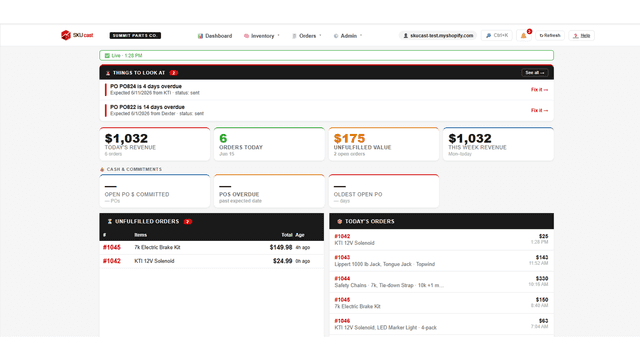
See every featureSkucast turns Shopify into a real inventory back office. Demand forecasting classifies every SKU (smooth, lumpy, dead, seasonal, new) and tells you when and how much to reorder. Create purchase orders, email them for one-click vendor acknowledgement, and receive with freight blended into true landed cost.
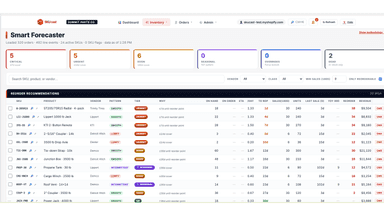
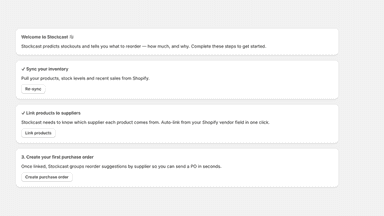
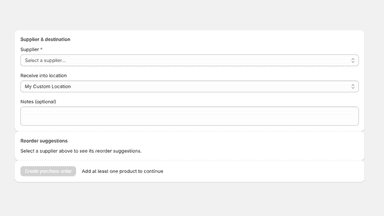
Stockcast checks your Shopify inventory daily and forecasts when each variant will run out. Every reorder suggestion shows its math: sales velocity, supplier lead time, safety stock, reorder point and order-by date. Turn suggestions into purchase orders by supplier, email them as PDFs and receive stock back into Shopify. Moving off Stocky?
- Demand forecasting flags every SKU to reorder before it stocks out
- Create, email, and receive purchase orders with 1-click vendor acknowledgement
- Margin-drift alerts when a supplier cost changes as you receive stock
- Reorder suggestions with the math — velocity, lead time, and order-by date
- Stocky migration — import your PO CSVs and auto-rebuild supplier list
- Stockout predictions ranked by urgency with critical-first dashboard alerts
- Dead stock detection finds products tying up capital that no longer sell

All the numbers
Every figure, side by side
A green dot marks the app ahead on a measured figure. Estimates, gaps and apps that leave no storefront trace never take the lead.
Adoption
| Measure |  Skucast |  Stockcast |
|---|---|---|
| Detected stores | Not published | Not published |
| Net store change, 28 days | 0 | 0 |
| Stores added, 28 days | Not enough data | Not enough data |
| Big-brand share | Not enough data | Not enough data |
| Top store categories | Not published | Not published |
| Top store countries | Not published | Not published |
Reviews
| Measure | Skucast | Stockcast |
|---|---|---|
| App Store rating | Not published | Not published |
| App Store reviews | Not published | Not published |
| New reviews, 28 days | Not enough data | Not enough data |
| Reviewers a year or more in | Not enough data | Not enough data |
FAQ
Skucast and Stockcast: common questions
- Is Skucast or Stockcast cheaper?
- Only Stockcast lists a free plan. Paid plans start at $99/month for Skucast and $19/month for Stockcast. Shoplist compares base prices only between monthly plans in the same currency; usage charges and annual plans vary, so check each plan’s limits.
- What features does each app list that the other doesn’t?
- Skucast lists 8 the others don’t mention, such as Analytics, Auto-restock, Back-in-stock alerts, Forecasting. Stockcast lists 14 the others don’t mention, such as Alert settings, Auto-alerts, Backorders, Import and export. A feature missing from a listing may still be supported; this compares what each App Store listing says.
- Where does this comparison’s data come from?
- Shoplist crawls Shopify storefronts to detect which apps each store runs, and reads each app’s Shopify App Store listing for reviews, pricing, features and integrations. Store counts are as of Oct 13, 2026 for Skucast, Oct 14, 2026 for Stockcast; estimated figures are labeled.
How Shoplist compares apps
Store counts come from Shoplist’s crawl of Shopify storefronts, which detects the apps each store runs; they are as of Oct 13, 2026 for Skucast, Oct 14, 2026 for Stockcast. Reviews, ratings, plans, features and integrations come from each app’s Shopify App Store listing. 28-day figures are labeled when estimated, and a figure that is missing or estimated never decides who leads. Read the methodology.