
SIZD vs Souldi
Two Shopify apps, side by side: detected stores, momentum, reviews, plans, listed features and who runs each. Store counts as of Oct 13, 2026 for SIZD, Oct 14, 2026 for Souldi.
The short answer
- Paid plans start at $80/month for SIZD and $100/month for Souldi.
- SIZD lists 5 features Souldi’s listing doesn’t mention, including Conditional logic, Live previews, Mobile responsive.
Head to head


Starter
- · 300 Try-Ons
Plan 1
- · 2100 Try-Ons
Plan 2
- · 5000 Try-Ons
Plan 3
- · 13 000 Try-Ons
Boutique
- · Outfit Combinator
- · Size Recommendation
- · Try-on
Growth
- · Outfit Combinator
- · Size Recommendation
- · Try-on
Flagship
- · Outfit Combinator
- · Size Recommendation
- · Try-on
Coverage counts what each App Store listing names. Every feature, checked off app by app, is in Shoplist.
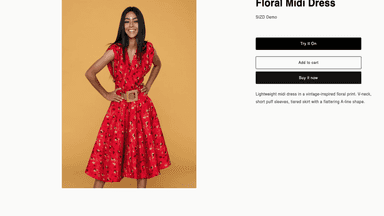
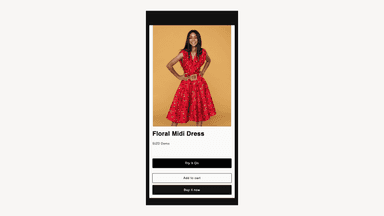
See every featureSIZD adds a "Try it on" button to your product pages. Shoppers upload one full-body photo and see a realistic image of themselves wearing the product in seconds. Built-in size recommendations read body proportions and suggest the size from your size chart. The widget drops in via a theme app block - no developer needed. Photos are encrypted, used only for the requested try-on, and auto-deleted after 30 days.
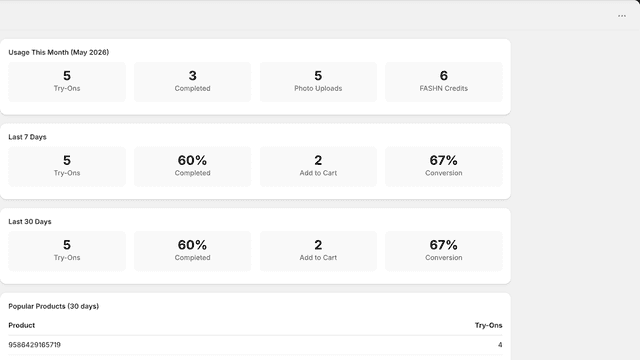
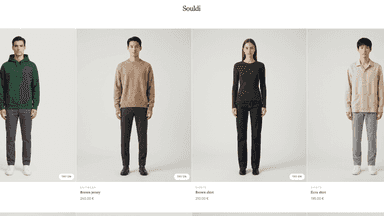
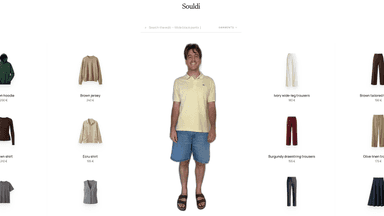
Souldi adds AI-powered virtual try-on to your product pages with no code required. Shoppers upload a photo and instantly see themselves wearing your products — increasing purchase confidence and reducing returns. Setup takes minutes: install the app, add the Souldi block to your product pages through the theme editor, and you're live. No developer needed.
- Drop-in "Try it on" button via theme app block - no developer needed.
- Photorealistic AI try-on results in 30–60 seconds.
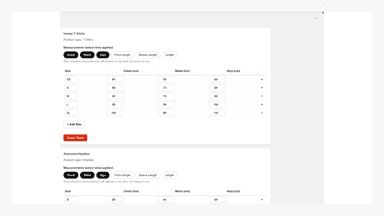
- Smart size recommendations from the customer's body photo and your size chart.
- AI virtual try-on — see yourself wearing any outfit instantly.
- Outfit combinator — mix and match pieces to build the perfect look.
- Size Recommendation — get tailored size recommendations.


All the numbers
Every figure, side by side
A green dot marks the app ahead on a measured figure. Estimates, gaps and apps that leave no storefront trace never take the lead.
Adoption
| Measure |  SIZD |  Souldi |
|---|---|---|
| Detected stores | Not published | Not published |
| Net store change, 28 days | 0 | 0 |
| Stores added, 28 days | Not enough data | Not enough data |
| Big-brand share | Not enough data | Not enough data |
| Top store categories | Not published | Not published |
| Top store countries | Not published | Not published |
Reviews
| Measure | SIZD | Souldi |
|---|---|---|
| App Store rating | Not published | Not published |
| App Store reviews | Not published | Not published |
| New reviews, 28 days | Not enough data | Not enough data |
| Reviewers a year or more in | Not enough data | Not enough data |
FAQ
SIZD and Souldi: common questions
- Is SIZD or Souldi cheaper?
- Paid plans start at $80/month for SIZD and $100/month for Souldi. Shoplist compares base prices only between monthly plans in the same currency; usage charges and annual plans vary, so check each plan’s limits.
- What features does each app list that the other doesn’t?
- SIZD lists 5 the others don’t mention, such as Conditional logic, Live previews, Mobile responsive, Product configurator. Souldi lists 1 the others don’t mention, such as Images. A feature missing from a listing may still be supported; this compares what each App Store listing says.
- Where does this comparison’s data come from?
- Shoplist crawls Shopify storefronts to detect which apps each store runs, and reads each app’s Shopify App Store listing for reviews, pricing, features and integrations. Store counts are as of Oct 13, 2026 for SIZD, Oct 14, 2026 for Souldi; estimated figures are labeled.
How Shoplist compares apps
Store counts come from Shoplist’s crawl of Shopify storefronts, which detects the apps each store runs; they are as of Oct 13, 2026 for SIZD, Oct 14, 2026 for Souldi. Reviews, ratings, plans, features and integrations come from each app’s Shopify App Store listing. 28-day figures are labeled when estimated, and a figure that is missing or estimated never decides who leads. Read the methodology.