

ShipSlip ‑ Journey vs Trackly: Tracking & Disputes
Two Shopify apps, side by side: detected stores, momentum, reviews, plans, listed features and who runs each. Store counts as of Nov 7, 2026 for ShipSlip, Oct 13, 2026 for Trackly.
The short answer
- ShipSlip lists 2 features Trackly’s listing doesn’t mention, including Custom tracking link, Real-time tracking.
Head to head


Free
- · Collect Customer Feedback
- · Increase Repeat Purchases
- · Promote Loyalty & Rewards
- · Reduce Support Tickets
- · Strengthen Your Brand
Starter
- · Collect Customer Feedback
- · Increase Repeat Purchases
- · Promote Loyalty & Rewards
- · Reduce Support Tickets
- · Strengthen Your Brand
Growth
- · Collect Customer Feedback
- · Increase Repeat Purchases
- · Promote Loyalty & Rewards
- · Reduce Support Tickets
- · Strengthen Your Brand
Pro
- · Collect Customer Feedback
- · Increase Repeat Purchases
- · Promote Loyalty & Rewards
- · Reduce Support Tickets
- · Strengthen Your Brand
Enterprise
- · Collect Customer Feedback
- · Increase Repeat Purchases
- · Promote Loyalty & Rewards
- · Reduce Support Tickets
- · Strengthen Your Brand
Coverage counts what each App Store listing names. Every feature, checked off app by app, is in Shoplist.
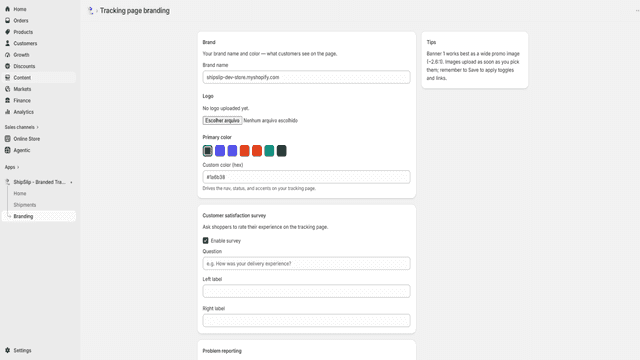
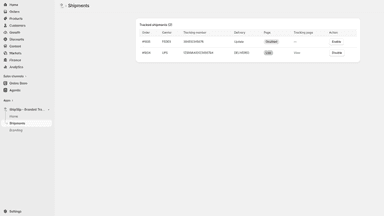
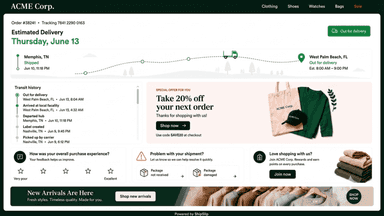
See every featureCarrier tracking pages send customers away from your store and offer nothing beyond shipment status. ShipSlip Journey replaces them with tracking pages that carry your brand name, logo, and colors. Pages are created for shipments with FedEx, UPS, USPS, DHL, Canada Post, DPD, Chronopost, Colissimo, Correos, LSO and more.
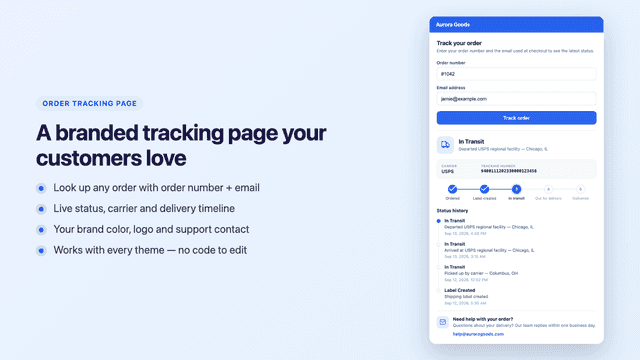
Trackly adds a ready-to-use order tracking page to your store at /apps/track. Shoppers enter their order number and checkout email to see live shipping status, carrier and delivery timeline from your Shopify fulfillments.
- A tracking page is created for every order you fulfill.
- Set your brand name, logo, and colors on the page customers see.
- Recognizes tracking numbers from FedEx, UPS, USPS, and DHL.
- Add up to three banners with links back to your store.
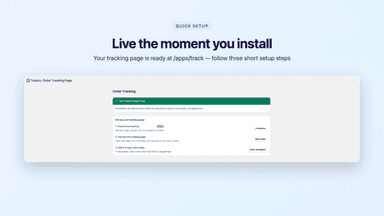
- Tracking page is live at /apps/track as soon as you install, no theme code
- Order number + email lookup shows status, carrier and delivery timeline
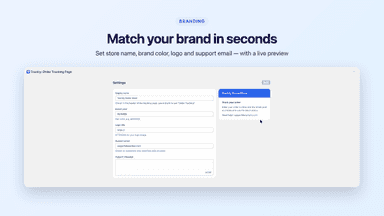
- Match your brand with store name, color, logo and support email
All the numbers
Every figure, side by side
A green dot marks the app ahead on a measured figure. Estimates, gaps and apps that leave no storefront trace never take the lead.
Adoption
| Measure |  ShipSlip |  Trackly |
|---|---|---|
| Detected stores | Not published | Not published |
| Net store change, 28 days | 0 | 0 |
| Stores added, 28 days | Not enough data | Not enough data |
| Big-brand share | Not enough data | Not enough data |
| Top store categories | Not published | Not published |
| Top store countries | Not published | Not published |
Reviews
| Measure | ShipSlip | Trackly |
|---|---|---|
| App Store rating | Not published | Not published |
| App Store reviews | Not published | Not published |
| New reviews, 28 days | Not enough data | Not enough data |
| Reviewers a year or more in | Not enough data | Not enough data |
FAQ
ShipSlip and Trackly: common questions
- What features does each app list that the other doesn’t?
- ShipSlip lists 2 the others don’t mention, such as Custom tracking link, Real-time tracking. Trackly lists 1 the others don’t mention, such as Order lookup page. A feature missing from a listing may still be supported; this compares what each App Store listing says.
- Where does this comparison’s data come from?
- Shoplist crawls Shopify storefronts to detect which apps each store runs, and reads each app’s Shopify App Store listing for reviews, pricing, features and integrations. Store counts are as of Nov 7, 2026 for ShipSlip, Oct 13, 2026 for Trackly; estimated figures are labeled.
How Shoplist compares apps
Store counts come from Shoplist’s crawl of Shopify storefronts, which detects the apps each store runs; they are as of Nov 7, 2026 for ShipSlip, Oct 13, 2026 for Trackly. Reviews, ratings, plans, features and integrations come from each app’s Shopify App Store listing. 28-day figures are labeled when estimated, and a figure that is missing or estimated never decides who leads. Read the methodology.