

scai‑dev vs Scryer
Two Shopify apps, side by side: detected stores, momentum, reviews, plans, listed features and who runs each. Store counts as of Jun 19, 2026 for scai‑dev, Oct 14, 2026 for Scryer.
The short answer
- Scryer lists 14 features scai‑dev’s listing doesn’t mention, including Abandoned cart, Analytics dashboard, Checkout analytics.
Head to head


Essential
- · 30-day rolling window analysis
- · Alerts when new insights are found
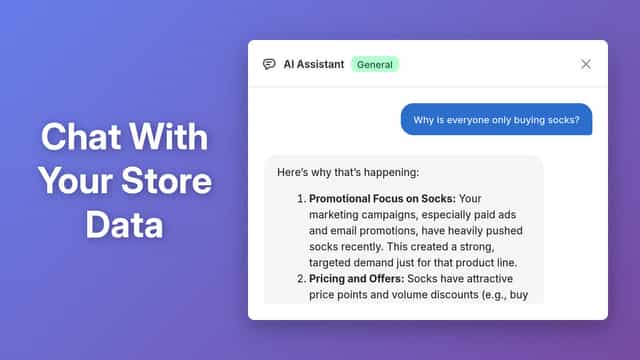
- · Chat with your store data
- · Daily AI insights and reports
- · Email support
Premium
- · 60-day rolling window analysis
- · Advanced AI models
- · Early access to new features
- · Premium support
Coverage counts what each App Store listing names. Every feature, checked off app by app, is in Shoplist.
See every featureConnect your Shopify store to the Scai AI platform and keep your product catalogue, customer records, and orders in sync — automatically, in real time. Scai AI Connector works in both directions. You can push your scai product catalogue to Shopify, or pull Shopify products back into scai. New products, updates, and deletions propagate automatically so both platforms always reflect the same data.
Scryer shows you what's hurting sales and what opportunities you're missing in simple terms, without flooding you with data and charts. Get a full overview of everything happening in your store whether it's orders & inventory, visitor behavior patterns, or visual website audits. Scryer monitors your store across all domains, creates actionable recommendations, and sends email alerts.
- AI-powered insights from your products, orders, and customer data
- Identify top-performing products and emerging sales trends
- Automate data-driven actions using store intelligence
- Daily insights from your Shopify API & visitor data reveal store trends.
- Ask questions about your data and get answers that make sense.
- Compare your store performance with real industry benchmarks.
- Continuous analysis of your store data spots trends automatically.






All the numbers
Every figure, side by side
A green dot marks the app ahead on a measured figure. Estimates, gaps and apps that leave no storefront trace never take the lead.
Adoption
| Measure |  scai‑dev |  Scryer |
|---|---|---|
| Detected stores | Not published | Not published |
| Net store change, 28 days | 0 | 0 |
| Stores added, 28 days | Not enough data | Not enough data |
| Big-brand share | Not enough data | Not enough data |
| Top store categories | Not published | Not published |
| Top store countries | Not published | Not published |
Reviews
| Measure | scai‑dev | Scryer |
|---|---|---|
| App Store rating | Not published | 5.0 ★ |
| App Store reviews | Not published | 1 |
| New reviews, 28 days | Not enough data | Not enough data |
| Reviewers a year or more in | Not enough data | Not enough data |
FAQ
scai‑dev and Scryer: common questions
- What features does each app list that the other doesn’t?
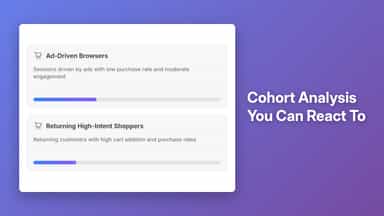
- scai‑dev lists 1 the others don’t mention, such as Custom dashboards. Scryer lists 14 the others don’t mention, such as Abandoned cart, Analytics dashboard, Checkout analytics, Cohort analysis. A feature missing from a listing may still be supported; this compares what each App Store listing says.
- Where does this comparison’s data come from?
- Shoplist crawls Shopify storefronts to detect which apps each store runs, and reads each app’s Shopify App Store listing for reviews, pricing, features and integrations. Store counts are as of Jun 19, 2026 for scai‑dev, Oct 14, 2026 for Scryer; estimated figures are labeled.
How Shoplist compares apps
Store counts come from Shoplist’s crawl of Shopify storefronts, which detects the apps each store runs; they are as of Jun 19, 2026 for scai‑dev, Oct 14, 2026 for Scryer. Reviews, ratings, plans, features and integrations come from each app’s Shopify App Store listing. 28-day figures are labeled when estimated, and a figure that is missing or estimated never decides who leads. Read the methodology.