
Ripple 3 for 2 vs TRoo Collection Based Discount
Two Shopify apps, side by side: detected stores, momentum, reviews, plans, listed features and who runs each. Store counts as of Oct 13, 2026 for Ripple 3 for 2, Aug 12, 2026 for TRoo Collection Based Discount.
The short answer
- Ripple 3 for 2 lists 2 features TRoo Collection Based Discount’s listing doesn’t mention, including Tagging, Targeting.
Head to head


Basic
Coverage counts what each App Store listing names. Every feature, checked off app by app, is in Shoplist.
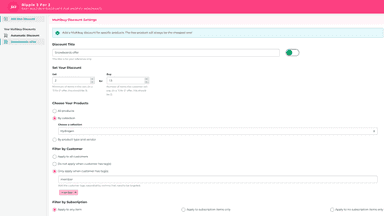
See every featureYou will be able to create multibuy discounts by just adding tags such as 'chairs|3for2' or 'shirts|2for1' to your products. If adding tags does not work for you you will also be able to target products of the discount by collection, type, or vendor. Additionally, you can apply discounts to customers with certain tags. Also, exclude recurring products from your multibuy offers.
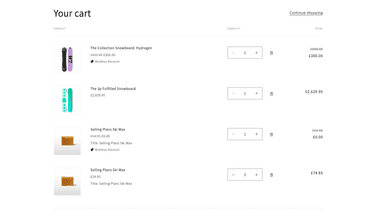
Automatically create discounts when customers purchase products from two selected collections. The app enables merchants to define collection combinations and apply percentage or fixed-amount discounts when qualifying products are added to the cart.
- Create automatic stackable multibuy discounts.
- Target products by collection, vendor or type.
- Exclude recurring products and certain customers.
- Combine any two Shopify collections
- Automatic discount application
- No manual product selection required



All the numbers
Every figure, side by side
A green dot marks the app ahead on a measured figure. Estimates, gaps and apps that leave no storefront trace never take the lead.
Adoption
| Measure |  Ripple 3 for 2 |  TRoo Collection Based Discount |
|---|---|---|
| Detected stores | Not published | Not published |
| Net store change, 28 days | 0 | 0 |
| Stores added, 28 days | Not enough data | Not enough data |
| Big-brand share | Not enough data | Not enough data |
| Top store categories | Not published | Not published |
| Top store countries | Not published | Not published |
Reviews
| Measure | Ripple 3 for 2 | TRoo Collection Based Discount |
|---|---|---|
| App Store rating | Not published | Not published |
| App Store reviews | Not published | Not published |
| New reviews, 28 days | Not enough data | Not enough data |
| Reviewers a year or more in | Not enough data | Not enough data |
Pricing
| Measure | Ripple 3 for 2 | TRoo Collection Based Discount |
|---|---|---|
| Free plan | Not listed | Not listed |
| Lowest paid monthly plan | $9.99/month | No monthly plan listed |
| Longest free trial | 7 days | Not listed |
| Plans listed | 1 | Not published |
Listing
| Measure | Ripple 3 for 2 | TRoo Collection Based Discount |
|---|---|---|
| Shopify category rank | #879 | #555(ahead) |
| Shopify App Charts | Not on this week’s charts | Not on this week’s charts |
| Built for Shopify | No | No |
| Launched | Feb 15, 2024 | Jun 24, 2026 |
| Languages | 1 | 1 |
| Developer | Ripple Apps | TRooInbound Private Limited |
FAQ
Ripple 3 for 2 and TRoo Collection Based Discount: common questions
- What features does each app list that the other doesn’t?
- Ripple 3 for 2 lists 2 the others don’t mention, such as Tagging, Targeting. TRoo Collection Based Discount lists 2 the others don’t mention, such as Cross-sell discounts, Discount stacking. A feature missing from a listing may still be supported; this compares what each App Store listing says.
- Where does this comparison’s data come from?
- Shoplist crawls Shopify storefronts to detect which apps each store runs, and reads each app’s Shopify App Store listing for reviews, pricing, features and integrations. Store counts are as of Oct 13, 2026 for Ripple 3 for 2, Aug 12, 2026 for TRoo Collection Based Discount; estimated figures are labeled.
How Shoplist compares apps
Store counts come from Shoplist’s crawl of Shopify storefronts, which detects the apps each store runs; they are as of Oct 13, 2026 for Ripple 3 for 2, Aug 12, 2026 for TRoo Collection Based Discount. Reviews, ratings, plans, features and integrations come from each app’s Shopify App Store listing. 28-day figures are labeled when estimated, and a figure that is missing or estimated never decides who leads. Read the methodology.