

RenderKu: Email Templates vs TestFlow ‑ Email Templates
Two Shopify apps, side by side: detected stores, momentum, reviews, plans, listed features and who runs each. Store counts as of Oct 18, 2026 for RenderKu, Sep 6, 2026 for TestFlow.
The short answer
- Only RenderKu lists a free plan.
- RenderKu lists 19 features TestFlow’s listing doesn’t mention, including Abandoned cart, Back-in-stock emails, Browse abandonment.
Head to head


Momentum
New reviews each month
Review pace is the clearest public read on how fast an app is winning new merchants.
Free
- · Access to free stock photos, graphics
- · Unlimited exports
- · Up to 2 emails
Pro
- · Unlimited emails
Plus
- · 3 users included in plan
- · Add multiple users to account
Coverage counts what each App Store listing names. Every feature, checked off app by app, is in Shoplist.
See every featureRenderKu helps you create Shopify email templates without accessing or modifying your store data. It works entirely with Shopify liquid variables and requires zero access scopes. By design, it cannot modify your products, collections, orders, or any store data. Use the drag-and-drop editor to design templates ready to export and use in Shopify notifications.
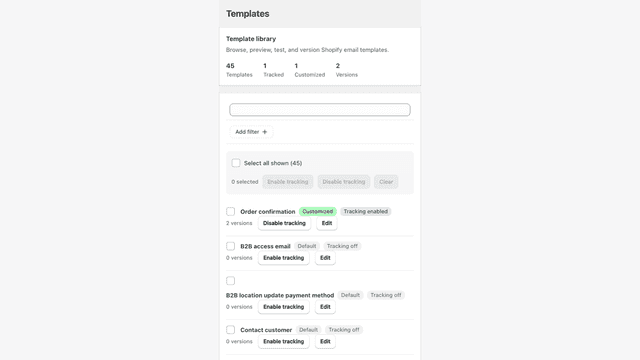
Email Template Manager helps merchants safely customize transactional notification emails before publishing. Use the Liquid-aware editor to update HTML, preview realistic customer and order scenarios, save checkpoint history, and compare screenshots before making changes live. The app supports customer, staff, order, shipping, return, gift card, account, and B2B notification templates.
- Level up default email notifications with visually appealing email templates
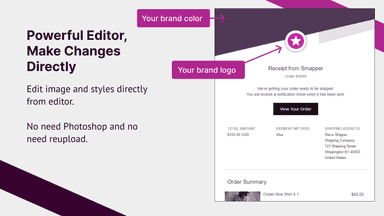
- Drag and drop editor to make quick changes to email templates.
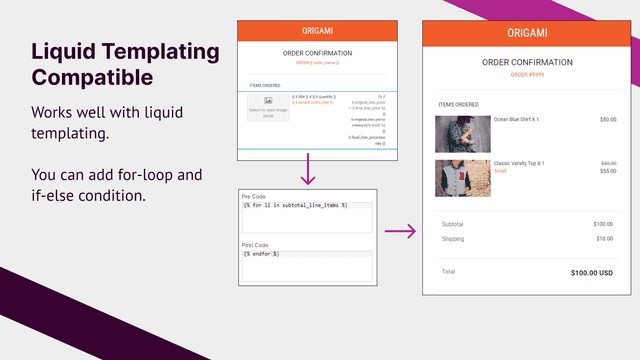
- Liquid templating compatible. Support adding liquid code into RenderKu's editor.
- Newsletter templates available for your email marketing campaigns.
- Edit notification HTML with Liquid-aware code tools
- Preview templates with realistic order and customer data
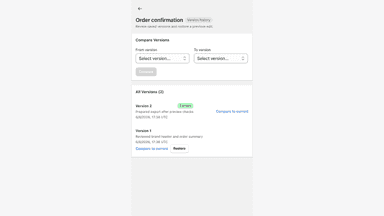
- Save checkpoints and restore earlier template versions
- Compare desktop and mobile screenshots before publishing




All the numbers
Every figure, side by side
A green dot marks the app ahead on a measured figure. Estimates, gaps and apps that leave no storefront trace never take the lead.
Adoption
| Measure |  RenderKu |  TestFlow |
|---|---|---|
| Detected stores | Not published | Not published |
| Net store change, 28 days | 0 | 0 |
| Stores added, 28 days | Not enough data | Not enough data |
| Big-brand share | Not enough data | Not enough data |
| Top store categories | Not published | Not published |
| Top store countries | Not published | Not published |
Reviews
| Measure | RenderKu | TestFlow |
|---|---|---|
| App Store rating | 5.0 ★ | Not published |
| App Store reviews | 10 | Not published |
| New reviews, 28 days | 0 | Not enough data |
| Reviewers a year or more in | Not enough data | Not enough data |
FAQ
RenderKu and TestFlow: common questions
- Is RenderKu or TestFlow cheaper?
- Only RenderKu lists a free plan. Shoplist compares base prices only between monthly plans in the same currency; usage charges and annual plans vary, so check each plan’s limits.
- What features does each app list that the other doesn’t?
- RenderKu lists 19 the others don’t mention, such as Abandoned cart, Back-in-stock emails, Browse abandonment, Cart emails. A feature missing from a listing may still be supported; this compares what each App Store listing says.
- Where does this comparison’s data come from?
- Shoplist crawls Shopify storefronts to detect which apps each store runs, and reads each app’s Shopify App Store listing for reviews, pricing, features and integrations. Store counts are as of Oct 18, 2026 for RenderKu, Sep 6, 2026 for TestFlow; estimated figures are labeled.
How Shoplist compares apps
Store counts come from Shoplist’s crawl of Shopify storefronts, which detects the apps each store runs; they are as of Oct 18, 2026 for RenderKu, Sep 6, 2026 for TestFlow. Reviews, ratings, plans, features and integrations come from each app’s Shopify App Store listing. 28-day figures are labeled when estimated, and a figure that is missing or estimated never decides who leads. Read the methodology.