

Qolisa vs Firaasa ‑ Inventory & Shipping
Two Shopify apps, side by side: detected stores, momentum, reviews, plans, listed features and who runs each. Store counts as of Oct 13, 2026.
The short answer
- Firaasa lists 17 features Qolisa’s listing doesn’t mention, including Address validation, Barcode scanning, Branded tracking page.
Head to head


Solo Monthly
- · 100 shipments per month
- · Automatic carrier recognition
- · Personalisation and variations
- · Status and tracking updates
- · Up to 3 connected stores
Atelier Monthly
- · 500 shipments per month
- · Batch printing
- · Everything included in Solo
- · Multiple preparation workshops
- · Production statistics
- · Unlimited connected stores
Pro Monthly
- · 2,000 shipments per month
- · Advanced statistics and exports
- · Enhanced priority support
- · Everything included in Atelier
- · Full action history
- · Qolisa API
Solo Annual
- · 100 shipments per month
- · Automatic carrier recognition
- · Personalisation and variations
- · Status and tracking updates
- · Up to 3 connected stores
Atelier Annual
- · 500 shipments per month
- · Batch printing
- · Everything included in Solo
- · Multiple preparation workshops
- · Production statistics
- · Unlimited connected stores
Pro Annual
- · 2,000 shipments per month
- · Advanced statistics and exports
- · Enhanced priority support
- · Everything included in Atelier
- · Full action history
- · Qolisa API
Free
Coverage counts what each App Store listing names. Every feature, checked off app by app, is in Shoplist.
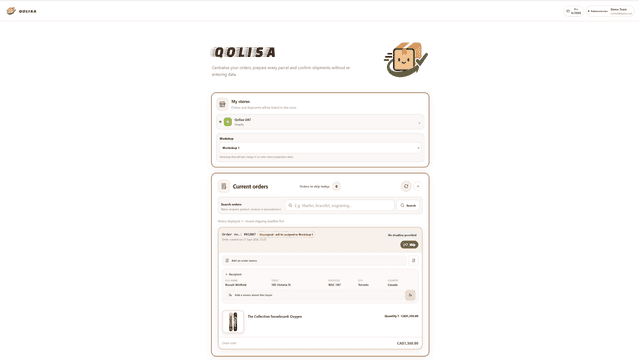
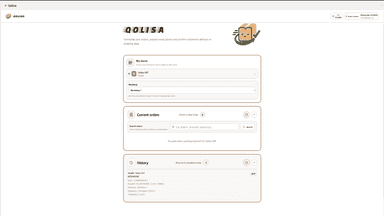
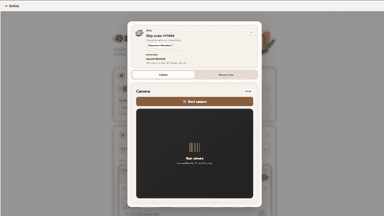
See every featureQolisa helps merchants prepare and ship physical Shopify orders from a clear, mobile-first workspace. Open an order to review the recipient, address, items, variants, personalization and notes. Scan a parcel label with a phone, barcode reader or camera, or enter the tracking number manually. Qolisa suggests the carrier, lets you verify every detail, then confirms the fulfillment and tracking information in Shopify.
Growing Shopify brands hit a wall when manual processes can't keep up. Firaasa takes over after checkout — validating orders, routing them intelligently, managing warehouse operations, and tracking every parcel to the door. Smaller sellers get automated order confirmation, address validation, and last-mile tracking. Larger operations get a full warehouse management system built for speed and scale.
- Review orders, addresses, items, variants and notes in one place.
- Scan tracking numbers with a phone, camera or barcode reader.
- Recognize carriers automatically or select one manually.
- Send fulfillment and tracking details back to each order.
- Automated Order Confirmation to reduce risk of delivery failures
- Automated Shipping Rules to allow system to intelligently orchestrate couriers
- Warehouse digitization and automation to unlock lightning fast fulfillment


All the numbers
Every figure, side by side
A green dot marks the app ahead on a measured figure. Estimates, gaps and apps that leave no storefront trace never take the lead.
Adoption
| Measure |  Qolisa |  Firaasa |
|---|---|---|
| Detected stores | Not published | Not published |
| Net store change, 28 days | 0 | 0 |
| Stores added, 28 days | Not enough data | Not enough data |
| Big-brand share | Not enough data | Not enough data |
| Top store categories | Not published | Not published |
| Top store countries | Not published | Not published |
Reviews
| Measure | Qolisa | Firaasa |
|---|---|---|
| App Store rating | Not published | Not published |
| App Store reviews | Not published | Not published |
| New reviews, 28 days | Not enough data | Not enough data |
| Reviewers a year or more in | Not enough data | Not enough data |
FAQ
Qolisa and Firaasa: common questions
- What features does each app list that the other doesn’t?
- Firaasa lists 17 the others don’t mention, such as Address validation, Barcode scanning, Branded tracking page, Bulk printing. A feature missing from a listing may still be supported; this compares what each App Store listing says.
- Where does this comparison’s data come from?
- Shoplist crawls Shopify storefronts to detect which apps each store runs, and reads each app’s Shopify App Store listing for reviews, pricing, features and integrations. Store counts are as of Oct 13, 2026; estimated figures are labeled.
How Shoplist compares apps
Store counts come from Shoplist’s crawl of Shopify storefronts, which detects the apps each store runs; they are as of Oct 13, 2026. Reviews, ratings, plans, features and integrations come from each app’s Shopify App Store listing. 28-day figures are labeled when estimated, and a figure that is missing or estimated never decides who leads. Read the methodology.