

Senvio vs Selixer: Profit OS
Two Shopify apps, side by side: detected stores, momentum, reviews, plans, listed features and who runs each. Store counts as of Oct 7, 2026 for Senvio, Nov 9, 2026 for Selixer.
The short answer
- Senvio lists 9 features Selixer’s listing doesn’t mention, including Abandoned cart, Custom reports, Multi-store reports.
Head to head


- United Arab Emirates
Essence
- · 1 year of historical data
- · 2 user seats, 1 ad platform
- · 500 AI credits, top-ups from $25
- · Ad dashboard, campaigns & trends
- · Inventory health score
- · Site Speed Analyzer
Catalyst
- · 2,000 AI credits, top-ups from $25
- · 4 seats, 2 ad platforms, no date cap
- · Email 50k/mo + branded invoices
- · Everything in Essence, plus:
- · Full True Profit waterfall
- · POAS, CAC & product-level ad revenue
Aether
- · 3,000 AI credits, top-ups from $25
- · 8 seats, 3 ad platforms
- · All 10 profit-leak detectors
- · Automations + 200k emails/month
- · Demand forecast & return on inventory
- · Everything in Catalyst, plus:
Coverage counts what each App Store listing names. Every feature, checked off app by app, is in Shoplist.
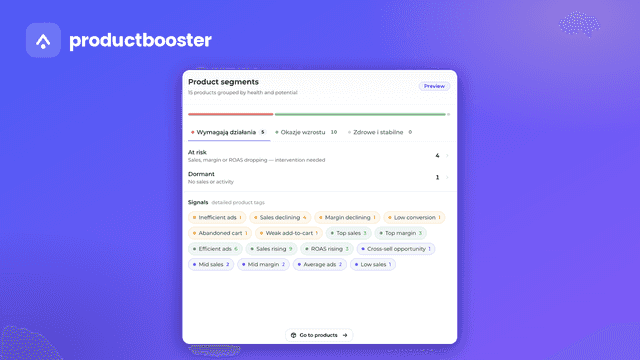
See every featureShopify shows you revenue, but not what each product actually earns after ad spend, platform fees, and what you paid for the goods. Senvio connects your store, ad accounts, and supplier data, then joins it at the product level. Server-side tracking captures conversions your browser pixel misses, so ad performance is measured against real orders. You see true margin per product and which ones lose money on ads.
Selixer is a profit operating system for Shopify fashion brands. It analyses your store, finds the problems costing you money, and gives you the tools to fix them. See true profit by product, order, customer and ad campaign. Catch leaks like dead stock, high-return SKUs, refund spikes and money-losing ads.
- True margin per product after ad spend, platform fees, and what you paid
- Server-side tracking that captures conversions per product and across your store
- Automatic segments and scores showing what to scale, fix, or stop advertising
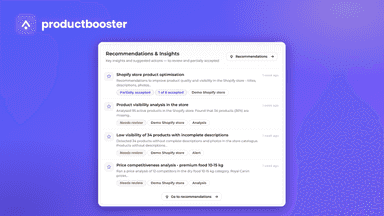
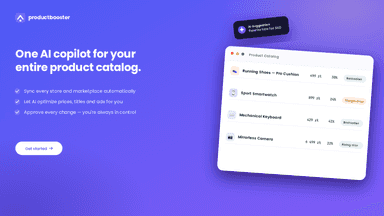
- AI that rewrites titles, descriptions, and your feed in bulk to your rules
- Real profit dashboard: See profit automatically after ads, COGS, and fees.
- Product economics: Track margin by SKU to spot winners & bleeders quickly.
- Profit-aware ads: See true profit per campaign to catch money-losing ads.
- Profit leak detection: Auto-flag stockouts, discounts impact & refund spikes.



All the numbers
Every figure, side by side
A green dot marks the app ahead on a measured figure. Estimates, gaps and apps that leave no storefront trace never take the lead.
Adoption
| Measure |  Senvio |  Selixer |
|---|---|---|
| Detected stores | Not published | 1 |
| Net store change, 28 days | 0 | 0 |
| Stores added, 28 days | Not enough data | Not enough data |
| Big-brand share | Not enough data | Not enough data |
| Top store categories | Not published | Apparel & Accessories |
| Top store countries | Not published | United Arab Emirates |
Reviews
| Measure | Senvio | Selixer |
|---|---|---|
| App Store rating | Not published | 5.0 ★ |
| App Store reviews | Not published | 2 |
| New reviews, 28 days | Not enough data | Not enough data |
| Reviewers a year or more in | Not enough data | Not enough data |
FAQ
Senvio and Selixer: common questions
- What features does each app list that the other doesn’t?
- Senvio lists 9 the others don’t mention, such as Abandoned cart, Custom reports, Multi-store reports, Notifications. Selixer lists 6 the others don’t mention, such as Cohort analysis, Data export, GDPR compliance, Lifetime value (LTV). A feature missing from a listing may still be supported; this compares what each App Store listing says.
- Where does this comparison’s data come from?
- Shoplist crawls Shopify storefronts to detect which apps each store runs, and reads each app’s Shopify App Store listing for reviews, pricing, features and integrations. Store counts are as of Oct 7, 2026 for Senvio, Nov 9, 2026 for Selixer; estimated figures are labeled.
How Shoplist compares apps
Store counts come from Shoplist’s crawl of Shopify storefronts, which detects the apps each store runs; they are as of Oct 7, 2026 for Senvio, Nov 9, 2026 for Selixer. Reviews, ratings, plans, features and integrations come from each app’s Shopify App Store listing. 28-day figures are labeled when estimated, and a figure that is missing or estimated never decides who leads. Read the methodology.