
Pixel Pro vs Pixelora: Pixel Manager
Two Shopify apps, side by side: detected stores, momentum, reviews, plans, listed features and who runs each. Store counts as of Oct 30, 2026 for Pixel Pro, Sep 25, 2026 for Pixelora.
The short answer
- Pixel Pro lists 4 features Pixelora’s listing doesn’t mention, including Custom audiences, Event-based, Lookalike audiences.
Head to head


Revenue Impact
Scale
Business
Enterprise
Coverage counts what each App Store listing names. Every feature, checked off app by app, is in Shoplist.
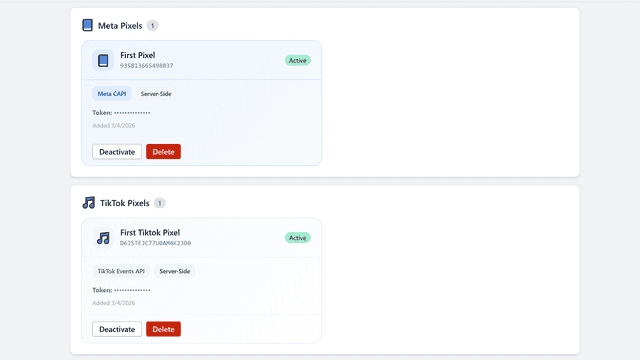
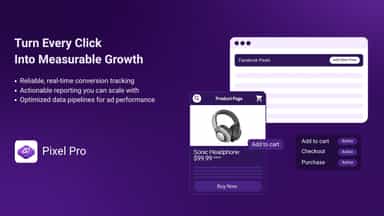
See every featurePixel Pro installs Meta Pixel and TikTok Pixel on your store and sends conversion events directly from your server using Meta Conversions API and TikTok Events API. This server-side approach captures purchases, add-to-cart actions, and other key events even when browser restrictions or ad blockers prevent browser-side tracking. Your ad platforms receive complete, accurate data so your campaigns optimize correctly.
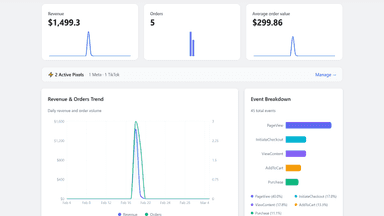
Pixelora installs ad pixels on your store without editing theme code. Storefront events fire through a managed web pixel, and purchases are also sent server-side through each platform's conversion API, with customer data hashed and duplicates removed automatically. A built-in dashboard shows product views, add-to-carts, orders, revenue, and conversion rates, so you can see which products actually sell.
- Adds Meta Pixel and TikTok Pixel to your storefront without editing theme code.
- Sends purchase and engagement events directly from your server to Meta & TikTok
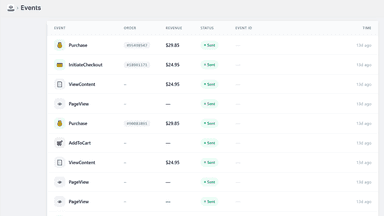
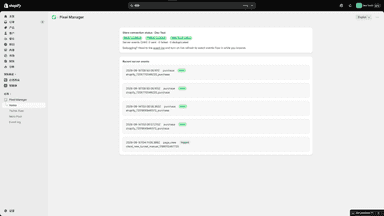
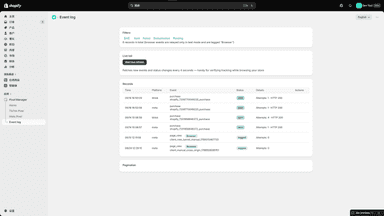
- View a real-time log of all tracked events
- Install multiple ad pixels without editing theme code
- Server-side Conversions API events with automatic deduplication
- Per-product views, add-to-carts, orders, and revenue analytics

All the numbers
Every figure, side by side
A green dot marks the app ahead on a measured figure. Estimates, gaps and apps that leave no storefront trace never take the lead.
Adoption
| Measure |  Pixel Pro |  Pixelora |
|---|---|---|
| Detected stores | Not published | Not published |
| Net store change, 28 days | 0 | 0 |
| Stores added, 28 days | Not enough data | Not enough data |
| Big-brand share | Not enough data | Not enough data |
| Top store categories | Not published | Not published |
| Top store countries | Not published | Not published |
Reviews
| Measure | Pixel Pro | Pixelora |
|---|---|---|
| App Store rating | Not published | Not published |
| App Store reviews | Not published | Not published |
| New reviews, 28 days | Not enough data | Not enough data |
| Reviewers a year or more in | Not enough data | Not enough data |
FAQ
Pixel Pro and Pixelora: common questions
- What features does each app list that the other doesn’t?
- Pixel Pro lists 4 the others don’t mention, such as Custom audiences, Event-based, Lookalike audiences, Performance tracking. A feature missing from a listing may still be supported; this compares what each App Store listing says.
- Where does this comparison’s data come from?
- Shoplist crawls Shopify storefronts to detect which apps each store runs, and reads each app’s Shopify App Store listing for reviews, pricing, features and integrations. Store counts are as of Oct 30, 2026 for Pixel Pro, Sep 25, 2026 for Pixelora; estimated figures are labeled.
How Shoplist compares apps
Store counts come from Shoplist’s crawl of Shopify storefronts, which detects the apps each store runs; they are as of Oct 30, 2026 for Pixel Pro, Sep 25, 2026 for Pixelora. Reviews, ratings, plans, features and integrations come from each app’s Shopify App Store listing. 28-day figures are labeled when estimated, and a figure that is missing or estimated never decides who leads. Read the methodology.