

Pallas AI vs Sphen: AI SEO & GEO Visibility
Two Shopify apps, side by side: detected stores, momentum, reviews, plans, listed features and who runs each. Store counts as of Feb 24, 2026 for Pallas AI, Nov 9, 2026 for Sphen.
The short answer
- Sphen lists 16 features Pallas AI’s listing doesn’t mention, including AI generation, ALT text, Analytics.
Head to head


- Estonia
Essential
- · 10 tracked prompts
- · 2 AI agent configs / month
- · 20 product audits / month
- · 3 AI visibility tests / month
- · 3 action plan runs / month
- · 5 AI models
Business
- · 100 product audits / month
- · 20 blog posts / month
- · 20 tracked prompts
- · 25 collection audits / month
- · 5 AI models
- · 8 AI agent configs / month
Growth
- · 10 AI agent configs / month
- · 15 AI visibility tests / month
- · 15 action plan runs / month
- · 30 blog posts / month
- · 35 tracked prompts
- · 5 AI models
Coverage counts what each App Store listing names. Every feature, checked off app by app, is in Shoplist.
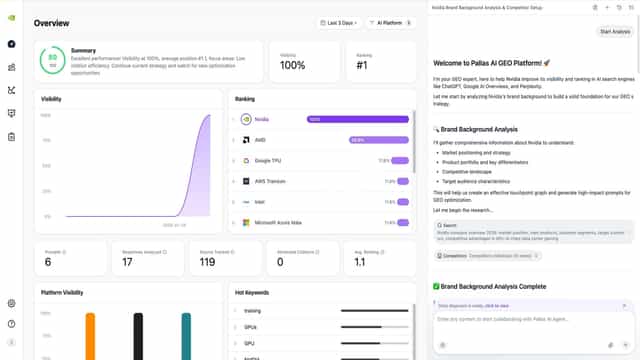
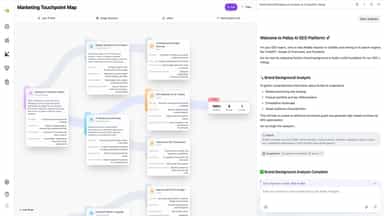
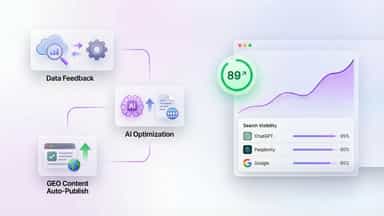
See every featureSearch is evolving. Customers now use AI tools to find answers. Pallas AI helps your store adapt with Generative Engine Optimization (GEO). Our agent acts as your content strategist, automating the creation of blog posts designed to be cited by AI search engines and ranked by traditional search.
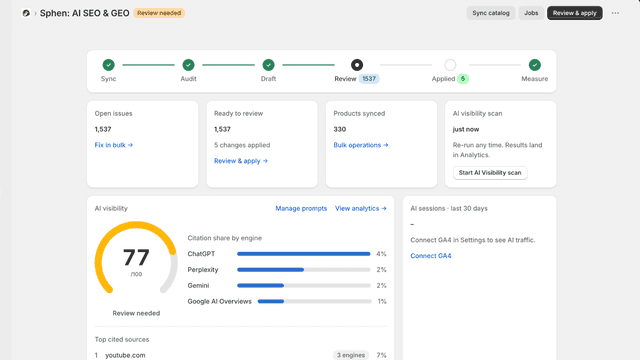
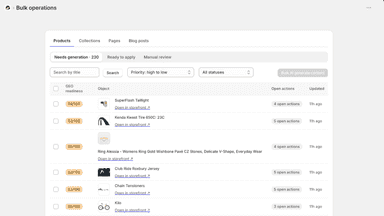
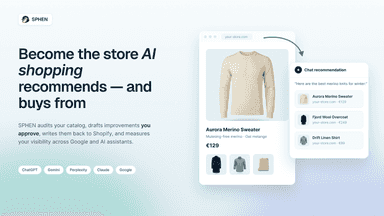
SPHEN uses AI agents to analyze your store, identify SEO and GEO opportunities, and generate optimized content. Create and update product descriptions, blog articles, collection pages, landing pages, metadata, and structured data from a single workspace. Review every recommendation before publishing changes to your store.
- Generate blogs optimized for Generative Engine Optimization (GEO).
- Tailor content topics based on your Google Analytics audience insights.
- Auto-publish formatted articles directly to your Online Store.
- Generate product descriptions, blog articles, collection pages with AI
- Optimize existing content for search engines and AI-powered search experiences.
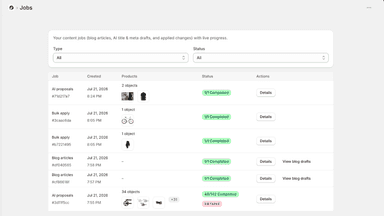
- Review and apply content improvements across multiple products and pages.

All the numbers
Every figure, side by side
A green dot marks the app ahead on a measured figure. Estimates, gaps and apps that leave no storefront trace never take the lead.
Adoption
| Measure |  Pallas AI |  Sphen |
|---|---|---|
| Detected stores | Not published | 4 |
| Net store change, 28 days | 0 | 0 |
| Stores added, 28 days | Not enough data | Not enough data |
| Big-brand share | Not enough data | Not enough data |
| Top store categories | Not published | Food, Beverages & Tobacco, Furniture, Health & Beauty |
| Top store countries | Not published | Estonia |
Reviews
| Measure | Pallas AI | Sphen |
|---|---|---|
| App Store rating | Not published | 5.0 ★ |
| App Store reviews | Not published | 1 |
| New reviews, 28 days | Not enough data | Not enough data |
| Reviewers a year or more in | Not enough data | Not enough data |
FAQ
Pallas AI and Sphen: common questions
- What features does each app list that the other doesn’t?
- Pallas AI lists 1 the others don’t mention, such as Website traffic. Sphen lists 16 the others don’t mention, such as AI generation, ALT text, Analytics, Audits. A feature missing from a listing may still be supported; this compares what each App Store listing says.
- Where does this comparison’s data come from?
- Shoplist crawls Shopify storefronts to detect which apps each store runs, and reads each app’s Shopify App Store listing for reviews, pricing, features and integrations. Store counts are as of Feb 24, 2026 for Pallas AI, Nov 9, 2026 for Sphen; estimated figures are labeled.
How Shoplist compares apps
Store counts come from Shoplist’s crawl of Shopify storefronts, which detects the apps each store runs; they are as of Feb 24, 2026 for Pallas AI, Nov 9, 2026 for Sphen. Reviews, ratings, plans, features and integrations come from each app’s Shopify App Store listing. 28-day figures are labeled when estimated, and a figure that is missing or estimated never decides who leads. Read the methodology.