
PackCloud vs PACKTRACK: Packaging Inventory
Two Shopify apps, side by side: detected stores, momentum, reviews, plans, listed features and who runs each. Store counts as of Oct 13, 2026 for PackCloud, Oct 29, 2026 for PACKTRACK.
The short answer
- PackCloud lists 16 features PACKTRACK’s listing doesn’t mention, including Auto-processing, Backorders, Barcodes.
Head to head


Momentum
New reviews each month
Review pace is the clearest public read on how fast an app is winning new merchants.
Gratis
Pro
- · Automatic & manual packaging assignment
- · Inventory lifecycle and history
- · Low-stock and out-of-stock email alerts
- · Packaging cost analytics
- · Peter AI assistant
- · Purchase orders with average COGS
Coverage counts what each App Store listing names. Every feature, checked off app by app, is in Shoplist.
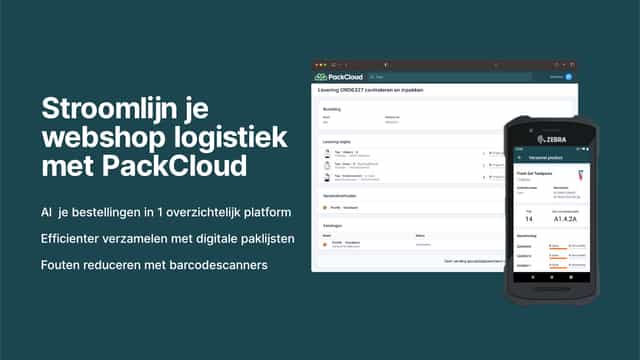
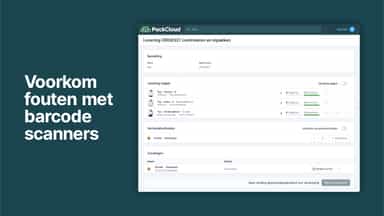
See every featureOptimaliseer je orderverwerking met PackCloud. Met ons online platform kan je al je bestellingen eenvoudig op één handige plek beheren. Verzamel je bestellingen efficient met (digitale) paklijsten en verzend je bestellingen nauwkeurig en foutloos naar je klanten met behulp van barcodescanners.
Shopify doesn't count your packaging. PACKTRACK does. It turns your shipping boxes, mailers, envelopes and packing supplies into tracked inventory. Set simple rules, or let Peter, your AI assistant, pick the best-fit box from your product dimensions, and packaging is assigned when a paid order comes in. Stock is reserved on assignment and deducted when you fulfill.
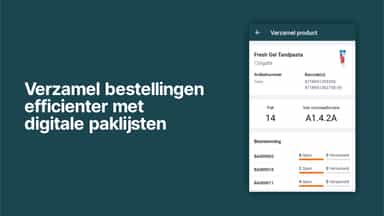
- Verzamel bestellingen efficiënter met (digitale) paklijsten
- 1-klik verzendlabel maken en printen
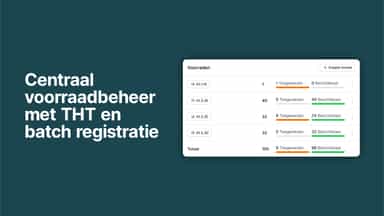
- Centraal voorraadbeheer per locatie
- Smart Packaging Rules
- Real-time packaging and accessories inventory tracking
- Real-time Inventory Management
- Auto-assign packaging materials to orders


All the numbers
Every figure, side by side
A green dot marks the app ahead on a measured figure. Estimates, gaps and apps that leave no storefront trace never take the lead.
Adoption
| Measure |  PackCloud |  PACKTRACK |
|---|---|---|
| Detected stores | Not published | Not published |
| Net store change, 28 days | 0 | 0 |
| Stores added, 28 days | Not enough data | Not enough data |
| Big-brand share | Not enough data | Not enough data |
| Top store categories | Not published | Not published |
| Top store countries | Not published | Not published |
Reviews
| Measure | PackCloud | PACKTRACK |
|---|---|---|
| App Store rating | Not published | 5.0 ★ |
| App Store reviews | Not published | 1 |
| New reviews, 28 days | Not enough data | Not enough data |
| Reviewers a year or more in | Not enough data | Not enough data |
FAQ
PackCloud and PACKTRACK: common questions
- What features does each app list that the other doesn’t?
- PackCloud lists 16 the others don’t mention, such as Auto-processing, Backorders, Barcodes, Bulk processing. PACKTRACK lists 6 the others don’t mention, such as Email notifications, Forecasting, Inventory planning, Low stock alerts. A feature missing from a listing may still be supported; this compares what each App Store listing says.
- Where does this comparison’s data come from?
- Shoplist crawls Shopify storefronts to detect which apps each store runs, and reads each app’s Shopify App Store listing for reviews, pricing, features and integrations. Store counts are as of Oct 13, 2026 for PackCloud, Oct 29, 2026 for PACKTRACK; estimated figures are labeled.
How Shoplist compares apps
Store counts come from Shoplist’s crawl of Shopify storefronts, which detects the apps each store runs; they are as of Oct 13, 2026 for PackCloud, Oct 29, 2026 for PACKTRACK. Reviews, ratings, plans, features and integrations come from each app’s Shopify App Store listing. 28-day figures are labeled when estimated, and a figure that is missing or estimated never decides who leads. Read the methodology.