
Omni OS ‑ Ecom OS vs Zentri
Two Shopify apps, side by side: detected stores, momentum, reviews, plans, listed features and who runs each. Store counts as of Nov 9, 2026.
The short answer
- Omni OS is detected on 1.4× as many Shopify stores as Zentri: 13 vs 9 as of Nov 9, 2026.
- Omni OS lists 7 features Zentri’s listing doesn’t mention, including Checkout analytics, Historical analysis, Lifetime value (LTV).
Head to head


- United States
- Netherlands
- United Kingdom
- Pakistan
Momentum
New reviews each month
Review pace is the clearest public read on how fast an app is winning new merchants.
Basic Plan
- · Adjust campaign budgets
- · Advanced Server-side Tracking Technology
- · Cross-device User Journey Tracking
- · Fully Customizable Analytics Dashboard
- · Fully Functional Ads Manager
- · Real-time Event Data Enhancement
Growth Plan
- · Adjust campaign budgets
- · Advanced Server-side Tracking Technology
- · Cross-device User Journey Tracking
- · Fully Customizable Analytics Dashboard
- · Fully Functional Ads Manager
- · Real-time Event Data Enhancement
Connect
Coverage counts what each App Store listing names. Every feature, checked off app by app, is in Shoplist.
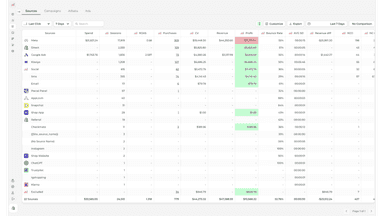
See every featureOmni OS centralizes ad management across Facebook, Google, TikTok, and more, eliminating the need to switch between platforms. It streamlines tracking, budgeting, and attribution with real-time insights, automated reports, and AI-driven recommendations. Designed for businesses of all sizes, Omni OS optimizes ad spend, saves time, and improves efficiency, helping merchants focus on growth.
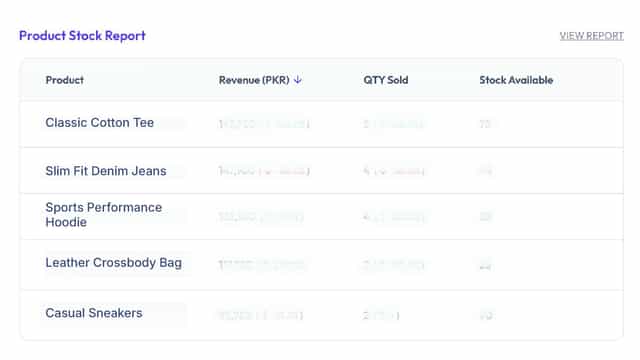
Zentri unifies your Shopify, Meta, and Google Ads data into one real-time dashboard, eliminating guesswork and delayed insights. Merchants can track ad spend versus sales, view product-level performance, monitor order status, and get demographic breakdowns without switching between platforms.
- Attribution: AI-Driven (survey), First Click, Last Click, Linear Paid, and more
- Ads Manager: Full ability to adjust budgets and statuses in Meta, Google, and TT
- Customer Journey: View all the touch points each customer took before purchasing
- LTV: See the value of each customer over time
- Unified dashboard showing ad spend, sales, and product performance
- Real-time reports with ROAS, CPA, and demographic breakdowns
- AI-powered insights to scale campaigns and optimize inventory decisions







All the numbers
Every figure, side by side
A green dot marks the app ahead on a measured figure. Estimates, gaps and apps that leave no storefront trace never take the lead.
Adoption
| Measure |  Omni OS |  Zentri |
|---|---|---|
| Detected stores | 13(ahead) | 9 |
| Net store change, 28 days | 0 | 0 |
| Stores added, 28 days | Not enough data | Not enough data |
| Big-brand share | Not enough data | Not enough data |
| Top store categories | Apparel & Accessories, Health & Beauty, Home & Garden | Apparel & Accessories |
| Top store countries | United States, Netherlands, United Kingdom | Pakistan |
Reviews
| Measure | Omni OS | Zentri |
|---|---|---|
| App Store rating | 5.0 ★ | Not published |
| App Store reviews | 5 | Not published |
| New reviews, 28 days | Not enough data | Not enough data |
| Reviewers a year or more in | Not enough data | Not enough data |
FAQ
Omni OS and Zentri: common questions
- Which is more popular, Omni OS or Zentri?
- Omni OS is detected on 1.4× as many Shopify stores as Zentri: 13 vs 9 as of Nov 9, 2026.
- What features does each app list that the other doesn’t?
- Omni OS lists 7 the others don’t mention, such as Checkout analytics, Historical analysis, Lifetime value (LTV), Profit insights. Zentri lists 3 the others don’t mention, such as Abandoned cart, Funnel analysis, Notifications. A feature missing from a listing may still be supported; this compares what each App Store listing says.
- Where does this comparison’s data come from?
- Shoplist crawls Shopify storefronts to detect which apps each store runs, and reads each app’s Shopify App Store listing for reviews, pricing, features and integrations. Store counts are as of Nov 9, 2026; estimated figures are labeled.
How Shoplist compares apps
Store counts come from Shoplist’s crawl of Shopify storefronts, which detects the apps each store runs; they are as of Nov 9, 2026. Reviews, ratings, plans, features and integrations come from each app’s Shopify App Store listing. 28-day figures are labeled when estimated, and a figure that is missing or estimated never decides who leads. Read the methodology.