

MustStash vs Whatnot
Two Shopify apps, side by side: detected stores, momentum, reviews, plans, listed features and who runs each. Store counts as of Oct 13, 2026 for MustStash, Sep 29, 2026 for Whatnot.
The short answer
- Whatnot lists 4 features MustStash’s listing doesn’t mention, including Inventory sync, Offer sync, Product selection.
Head to head


Momentum
New reviews each month
Review pace is the clearest public read on how fast an app is winning new merchants.
Free
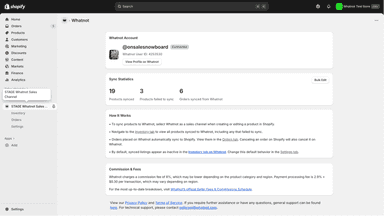
Whatnot Fees
- · 2.9% + $0.30 payment processing fee
- · 8% fee on sales price
- · Fees may be lower based on region
- · Fees may be lower based on the category
Coverage counts what each App Store listing names. Every feature, checked off app by app, is in Shoplist.
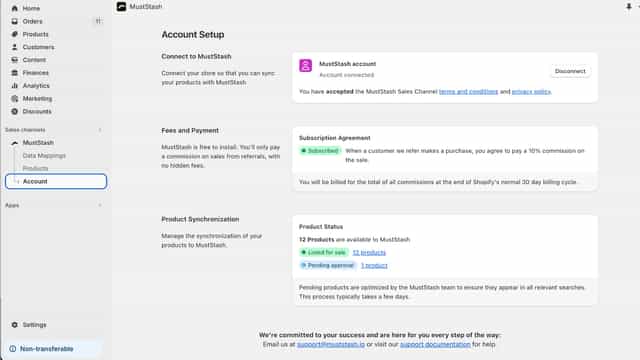
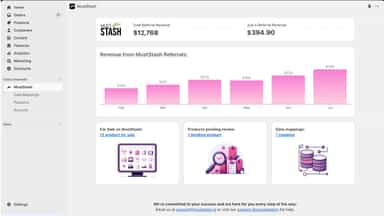
See every featureMustStash integrates seamlessly with your Shopify store, providing a complete solution for crafters to manage their stash. By adding your products to the MustStash Sales Channel, customers can discover new items they need while tracking what they already own. This integration enhances customer satisfaction and boosts sales by connecting with an engaged crafting community.
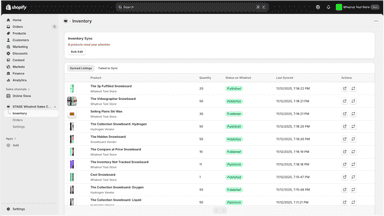
Whatnot helps you turn products into repeat customers. Unlike traditional marketplaces where you sync inventory and wait for orders, Whatnot puts you in front of shoppers who are ready to buy. Go live, sell products in real time, move inventory quickly, and build a loyal audience that follows your business and comes back for future shows.
- One-click sync: Effortlessly align your store's products with MustStash.
- Automated Updates: Keep inventory accurate with real-time synchronization.
- Enhanced Discovery: Help customers find and manage products easily.
- Payment Integration: Simplify transactions with integrated payments and referral
- Sell at scale with a unified catalog between Shopify and Whatnot
- Automated orders and real-time inventory sync
- Update your inventory in real-time as items sell on either platform



All the numbers
Every figure, side by side
A green dot marks the app ahead on a measured figure. Estimates, gaps and apps that leave no storefront trace never take the lead.
Adoption
| Measure |  MustStash |  Whatnot |
|---|---|---|
| Detected stores | Not published | Not published |
| Net store change, 28 days | 0 | 0 |
| Stores added, 28 days | Not enough data | Not enough data |
| Big-brand share | Not enough data | Not enough data |
| Top store categories | Not published | Not published |
| Top store countries | Not published | Not published |
Reviews
| Measure | MustStash | Whatnot |
|---|---|---|
| App Store rating | Not published | 2.9 ★ |
| App Store reviews | Not published | 13 |
| New reviews, 28 days | Not enough data | Not enough data |
| Reviewers a year or more in | Not enough data | Not enough data |
FAQ
MustStash and Whatnot: common questions
- What features does each app list that the other doesn’t?
- MustStash lists 2 the others don’t mention, such as Feed automation, Product feed. Whatnot lists 4 the others don’t mention, such as Inventory sync, Offer sync, Product selection, Tracking sync. A feature missing from a listing may still be supported; this compares what each App Store listing says.
- Where does this comparison’s data come from?
- Shoplist crawls Shopify storefronts to detect which apps each store runs, and reads each app’s Shopify App Store listing for reviews, pricing, features and integrations. Store counts are as of Oct 13, 2026 for MustStash, Sep 29, 2026 for Whatnot; estimated figures are labeled.
How Shoplist compares apps
Store counts come from Shoplist’s crawl of Shopify storefronts, which detects the apps each store runs; they are as of Oct 13, 2026 for MustStash, Sep 29, 2026 for Whatnot. Reviews, ratings, plans, features and integrations come from each app’s Shopify App Store listing. 28-day figures are labeled when estimated, and a figure that is missing or estimated never decides who leads. Read the methodology.