

Kuror — Return Fraud Blocker vs ReturnIQ: AI‑Powered Insights
Two Shopify apps, side by side: detected stores, momentum, reviews, plans, listed features and who runs each. Store counts as of Oct 13, 2026.
The short answer
- Both list a free plan. Paid plans start at $50/month for Kuror and $29/month for ReturnIQ.
Head to head


Free
- · 24-month historical return audit scan
- · Calculate total lost revenue metrics
- · Identify high serial returner pattens
- · Instant risk detection dashboard access
- · Zero cost, no credit card
Sentry
- · Auto-flag suspicious returns for review
- · Basic aggression and sensitivity tuning
- · Industry peer return rate benchmarking
- · Network-wide trust and burn insights
- · One custom risk rule included
- · Real-time return monitoring and alerts
Protection
- · 3,000 automated decisions per month
- · Automatically block high-risk fraud atte
- · Comprehensive automated protection suite
- · Full aggression and intervention control
- · Integrations With Gorgias, Zendesk
- · Unlimited custom risk rule creation
Free
- · Basic return tracking
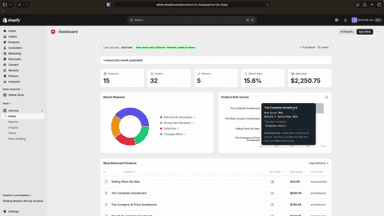
- · Dashboard overview
- · Standard data sync
Growth
- · Automated data sync
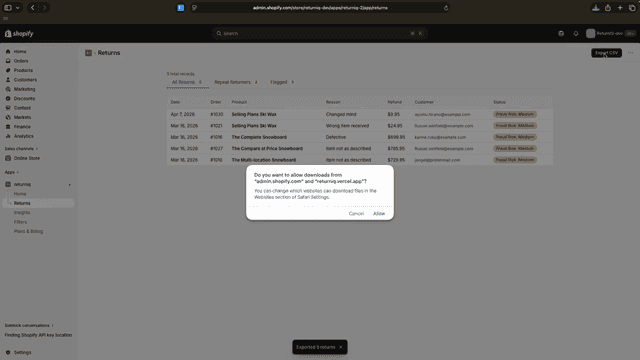
- · CSV Export
- · Everything in Free
- · Monthly insights report
- · Return Reason Clustering
Pro
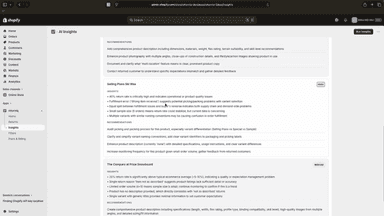
- · AI Return Insights
- · Everything in Growth
- · Product risk scoring
- · Repeat return detection
- · Weekly insights email
Scale
- · Custom return filters
- · Everything in Pro
- · Fraud detection
Coverage counts what each App Store listing names. Every feature, checked off app by app, is in Shoplist.
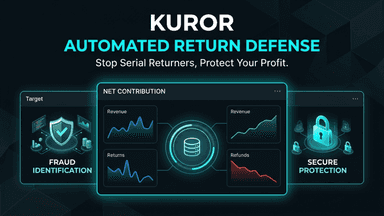
See every featureEvery return your portal auto-approves is a blind decision. Serial returners, wardrobers, and double-dippers exploit that gap , and every logistics app is built to process returns, not stop them. Kuror intercepts return requests before a label prints. It scores each request against a cross-merchant Global Fraud Ledger and auto-declines high-risk users or forces store credit - on autopilot.
Returns drain merchants' time and money, but most stores fly blind on why they happen. ReturnIQ turns your Shopify return data into clear, actionable analytics so you can fix the root causes. See which products are most prone to returns, understand the real reasons behind them, and spot repeat or suspicious patterns before they erode your margins.
- Identify serial returners using crowdsourced data from across the Kuror network
- Set custom risk thresholds to auto-decline or flag returns for manual review
- Block bad actors using anonymous behavioral metadata without storing sensitive
- AI-powered insights diagnose why products are returned and what to fix.
- Risk-score every product by return history to prioritize your attention.
- Detect repeat returners and fraud patterns before they impact your margins.


All the numbers
Every figure, side by side
A green dot marks the app ahead on a measured figure. Estimates, gaps and apps that leave no storefront trace never take the lead.
Adoption
| Measure |  Kuror |  ReturnIQ |
|---|---|---|
| Detected stores | Not published | Not published |
| Net store change, 28 days | 0 | 0 |
| Stores added, 28 days | Not enough data | Not enough data |
| Big-brand share | Not enough data | Not enough data |
| Top store categories | Not published | Not published |
| Top store countries | Not published | Not published |
Reviews
| Measure | Kuror | ReturnIQ |
|---|---|---|
| App Store rating | Not published | Not published |
| App Store reviews | Not published | Not published |
| New reviews, 28 days | Not enough data | Not enough data |
| Reviewers a year or more in | Not enough data | Not enough data |
FAQ
Kuror and ReturnIQ: common questions
- Is Kuror or ReturnIQ cheaper?
- Both list a free plan. Paid plans start at $50/month for Kuror and $29/month for ReturnIQ. Shoplist compares base prices only between monthly plans in the same currency; usage charges and annual plans vary, so check each plan’s limits.
- Where does this comparison’s data come from?
- Shoplist crawls Shopify storefronts to detect which apps each store runs, and reads each app’s Shopify App Store listing for reviews, pricing, features and integrations. Store counts are as of Oct 13, 2026; estimated figures are labeled.
How Shoplist compares apps
Store counts come from Shoplist’s crawl of Shopify storefronts, which detects the apps each store runs; they are as of Oct 13, 2026. Reviews, ratings, plans, features and integrations come from each app’s Shopify App Store listing. 28-day figures are labeled when estimated, and a figure that is missing or estimated never decides who leads. Read the methodology.