

Kleio Analytics vs Pixel Theory Data Hub
Two Shopify apps, side by side: detected stores, momentum, reviews, plans, listed features and who runs each. Store counts as of Oct 14, 2026 for Kleio Analytics, May 29, 2026 for Pixel Theory Data Hub.
The short answer
- Pixel Theory Data Hub lists 5 features Kleio Analytics’s listing doesn’t mention, including Activity tracking, Custom dashboards, Funnel analysis.
Head to head


Momentum
New reviews each month
Review pace is the clearest public read on how fast an app is winning new merchants.
Everything
- · 14-day free trial
- · All features
- · Unlimited orders
- · Unlimited revenue
- · Unlimited users
Coverage counts what each App Store listing names. Every feature, checked off app by app, is in Shoplist.
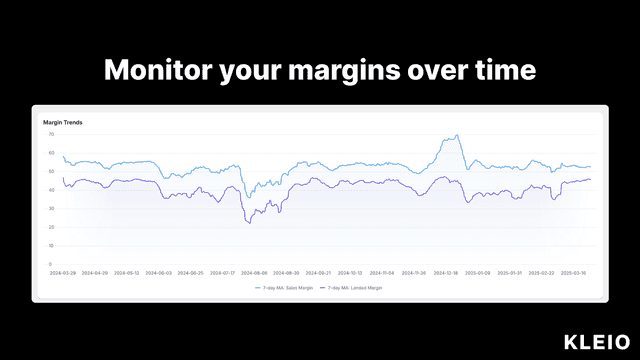
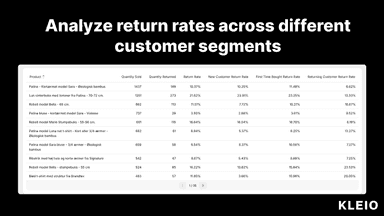
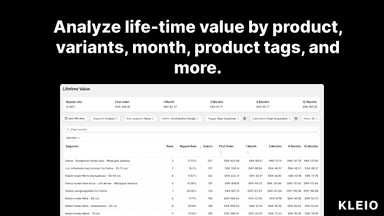
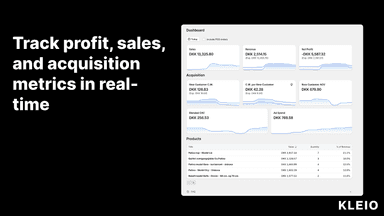
See every featureHey, Mathias here (the founder). I was frustrated by other analytics tools and found them too expensive, so I built the analytics toolbox I've always dreamed of. Track your favorite metrics in the dashboard; connect ad channels and track your acquisition; break down your P&L to find what’s eating your margin; rank products by the profit and LTV they create; monitor inventory and get help merchandising; and much more.
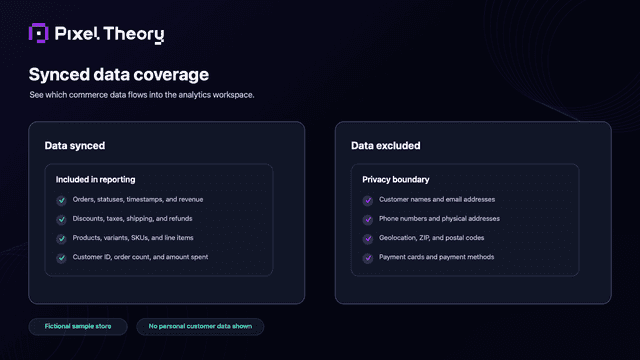
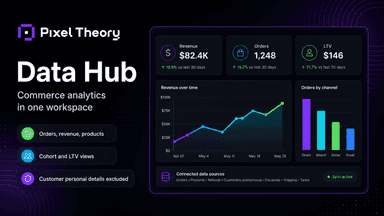
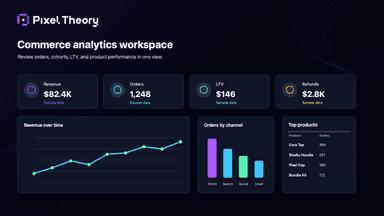
Pixel Theory Data Hub connects a merchant-authorized Shopify store to a Pixel Theory-managed analytics workspace. It syncs order, product, refund, revenue, cohort, and LTV data so merchants can review store performance in one reporting environment.
- Dashboard: Monitor your sales, profits, and customer acquisition in real time.
- Lifetime value analysis: Which products drive the most profits over time?
- Margin Analysis: What's your true margins after shipping, refunds and discounts?
- Returns Analysis: Do you have any problematic products that are often returned?
- Sync order, revenue, refund, discount, tax, and shipping data.
- Track product, variant, SKU, quantity, and line-item performance.
- Support cohort and LTV reporting with customer-level metrics.
- Connect each store to a Pixel Theory-managed analytics workspace.

All the numbers
Every figure, side by side
A green dot marks the app ahead on a measured figure. Estimates, gaps and apps that leave no storefront trace never take the lead.
Adoption
| Measure |  Kleio Analytics |  Pixel Theory Data Hub |
|---|---|---|
| Detected stores | Not published | Not published |
| Net store change, 28 days | 0 | 0 |
| Stores added, 28 days | Not enough data | Not enough data |
| Big-brand share | Not enough data | Not enough data |
| Top store categories | Not published | Not published |
| Top store countries | Not published | Not published |
Reviews
| Measure | Kleio Analytics | Pixel Theory Data Hub |
|---|---|---|
| App Store rating | 5.0 ★ | Not published |
| App Store reviews | 20 | Not published |
| New reviews, 28 days | Not enough data | Not enough data |
| Reviewers a year or more in | Not enough data | Not enough data |
Pricing
| Measure | Kleio Analytics | Pixel Theory Data Hub |
|---|---|---|
| Free plan | Not listed | Not listed |
| Lowest paid monthly plan | $29/month | No monthly plan listed |
| Longest free trial | 14 days | Not listed |
| Plans listed | 1 | Not published |
Listing
| Measure | Kleio Analytics | Pixel Theory Data Hub |
|---|---|---|
| Shopify category rank | #52(ahead) | #770 |
| Shopify App Charts | Not on this week’s charts | Not on this week’s charts |
| Built for Shopify | No | No |
| Launched | Feb 19, 2025 | May 29, 2026 |
| Languages | 1 | 1 |
| Developer | Kleio | Pixel Theory |
FAQ
Kleio Analytics and Pixel Theory Data Hub: common questions
- What features does each app list that the other doesn’t?
- Kleio Analytics lists 2 the others don’t mention, such as Purchase tracking, Real-time tracking. Pixel Theory Data Hub lists 5 the others don’t mention, such as Activity tracking, Custom dashboards, Funnel analysis, Loyalty analysis. A feature missing from a listing may still be supported; this compares what each App Store listing says.
- Where does this comparison’s data come from?
- Shoplist crawls Shopify storefronts to detect which apps each store runs, and reads each app’s Shopify App Store listing for reviews, pricing, features and integrations. Store counts are as of Oct 14, 2026 for Kleio Analytics, May 29, 2026 for Pixel Theory Data Hub; estimated figures are labeled.
How Shoplist compares apps
Store counts come from Shoplist’s crawl of Shopify storefronts, which detects the apps each store runs; they are as of Oct 14, 2026 for Kleio Analytics, May 29, 2026 for Pixel Theory Data Hub. Reviews, ratings, plans, features and integrations come from each app’s Shopify App Store listing. 28-day figures are labeled when estimated, and a figure that is missing or estimated never decides who leads. Read the methodology.