

Kibo Order Management vs Zenfulfillment
Two Shopify apps, side by side: detected stores, momentum, reviews, plans, listed features and who runs each. Store counts as of Oct 14, 2026 for Kibo Order Management, Oct 22, 2026 for Zenfulfillment.
The short answer
- Kibo Order Management lists 9 features Zenfulfillment’s listing doesn’t mention, including Automated alerts, Historical reports, Inventory alerts.
Head to head


Momentum
New reviews each month
Review pace is the clearest public read on how fast an app is winning new merchants.
Free
Free
Coverage counts what each App Store listing names. Every feature, checked off app by app, is in Shoplist.
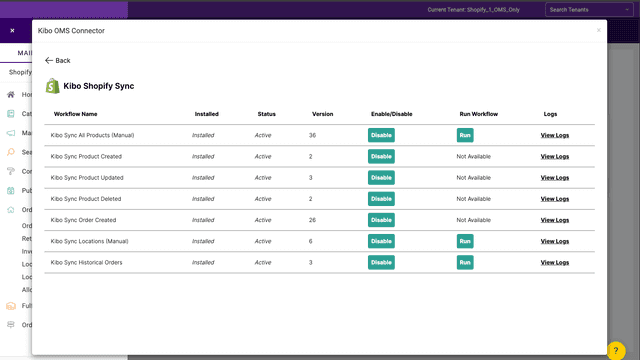
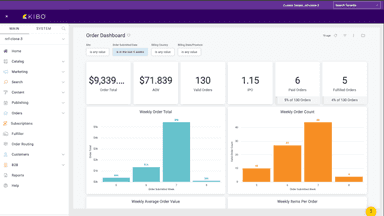
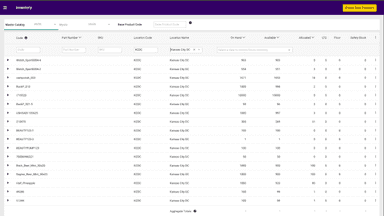
See every featureWith the Kibo Order Management App, enable seamless order orchestration. Products and orders automatically flow from your Shopify store into Kibo. Kibo Order Management provides a unified view of all real-time inventory data across locations, enabling network-wide inventory visibility and allowing you to launch or diversify your fulfillment programs like dropship or BOPIS.
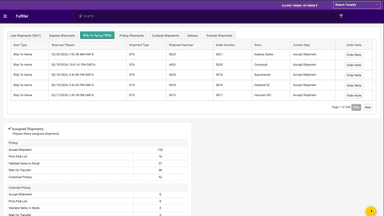
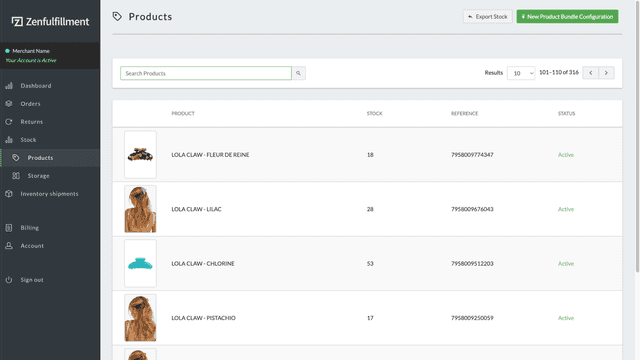
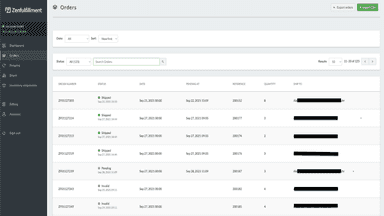
Zenfulfillment app offers seamless order management by syncing fulfillment status, tracking information, and carrier assignment. It also includes address validation, ensuring accurate customer addresses. Real-time stock sync keeps you updated on inventory levels. You can easily monitor storage spaces in our warehouses. Detailed insights into returns, including arrival dates, conditions, and additional information.
- Intelligently source and route orders to meet SLAS and control costs
- Enable omnichannel, flexible fulfillment strategies
- View, segment, and allocate network wide inventory in real-time
- Automate transactions ( capture, refund ) for a smooth customer experience
- Order synchronisation between your shop and Zenfulfillment in real time.
- Fulfillment created in store including tracking and carrier when shipment is out
- Real time sync of the stock based on location.
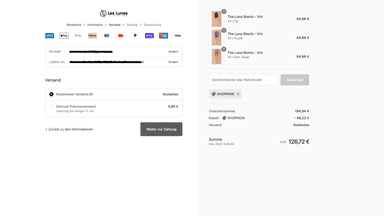
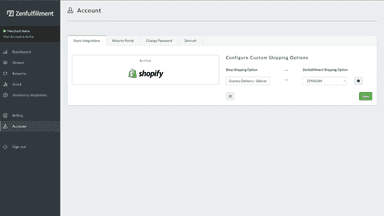
- Provides custom carrier rates in your store checkout.
All the numbers
Every figure, side by side
A green dot marks the app ahead on a measured figure. Estimates, gaps and apps that leave no storefront trace never take the lead.
Adoption
| Measure |  Kibo Order Management |  Zenfulfillment |
|---|---|---|
| Detected stores | Not published | Not published |
| Net store change, 28 days | 0 | 0 |
| Stores added, 28 days | Not enough data | Not enough data |
| Big-brand share | Not enough data | Not enough data |
| Top store categories | Not published | Not published |
| Top store countries | Not published | Not published |
Reviews
| Measure | Kibo Order Management | Zenfulfillment |
|---|---|---|
| App Store rating | Not published | 5.0 ★ |
| App Store reviews | Not published | 1 |
| New reviews, 28 days | Not enough data | Not enough data |
| Reviewers a year or more in | Not enough data | Not enough data |
Pricing
| Measure | Kibo Order Management | Zenfulfillment |
|---|---|---|
| Free plan | Not listed | Not listed |
| Lowest paid monthly plan | No monthly plan listed | No monthly plan listed |
| Longest free trial | Not listed | Not listed |
| Plans listed | 1 | 1 |
Listing
| Measure | Kibo Order Management | Zenfulfillment |
|---|---|---|
| Shopify category rank | #508 | #398(ahead) |
| Shopify App Charts | Not on this week’s charts | Not on this week’s charts |
| Built for Shopify | No | No |
| Launched | Mar 8, 2024 | Sep 26, 2023 |
| Languages | 1 | 2 |
| Developer | KIBO Commerce | Zenfulfillment |
FAQ
Kibo Order Management and Zenfulfillment: common questions
- What features does each app list that the other doesn’t?
- Kibo Order Management lists 9 the others don’t mention, such as Automated alerts, Historical reports, Inventory alerts, Low stock alerts. Zenfulfillment lists 4 the others don’t mention, such as Automatic, Custom, Data import and export, Email alerts. A feature missing from a listing may still be supported; this compares what each App Store listing says.
- Where does this comparison’s data come from?
- Shoplist crawls Shopify storefronts to detect which apps each store runs, and reads each app’s Shopify App Store listing for reviews, pricing, features and integrations. Store counts are as of Oct 14, 2026 for Kibo Order Management, Oct 22, 2026 for Zenfulfillment; estimated figures are labeled.
How Shoplist compares apps
Store counts come from Shoplist’s crawl of Shopify storefronts, which detects the apps each store runs; they are as of Oct 14, 2026 for Kibo Order Management, Oct 22, 2026 for Zenfulfillment. Reviews, ratings, plans, features and integrations come from each app’s Shopify App Store listing. 28-day figures are labeled when estimated, and a figure that is missing or estimated never decides who leads. Read the methodology.