

Atelier: AI Model Photos vs LUK: AI Lookbook Photo Studio
Two Shopify apps, side by side: detected stores, momentum, reviews, plans, listed features and who runs each. Store counts as of Oct 13, 2026.
The short answer
- Only LUK lists a free plan.
Head to head


Free starter
Free
- · 5 credits on install
- · 7-day history
- · Standard AI model
- · Standard catalog
Starter
- · 150 credits/month
- · 30-day history
- · Standard AI model
- · Standard catalog
Growth
- · 450 credits/month (3x)
- · 90-day history
- · Fashion Pro AI model
- · Full catalog unlocked
Pro
- · 1,200 credits/month (10x)
- · Bulk Export (50 zip)
- · Full catalog unlocked
- · Studio AI model
- · Unlimited history
Coverage counts what each App Store listing names. Every feature, checked off app by app, is in Shoplist.
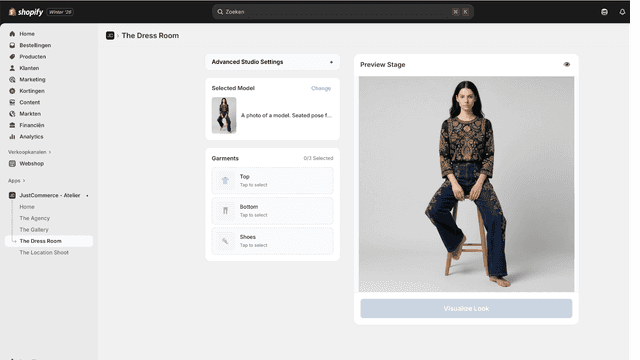
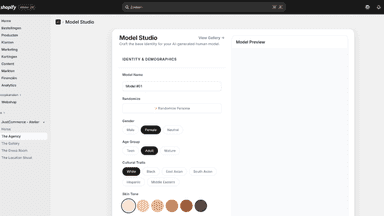
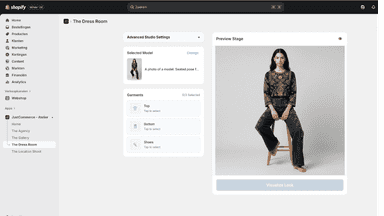
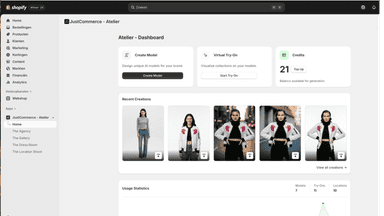
See every featureAtelier generates studio-quality product imagery using AI. Put any garment on professional, diverse AI models, create virtual try-ons, and place products in any location or lighting — no studio, models, or travel required. Design custom model identities, generate lifestyle and packshot images, and link finished photos directly to your Shopify product catalog.
Free AI tools can make a single model photo. They can't run your whole catalog. LUK turns every product image into an on-model lookbook photo — with the same model across your store — and pushes it directly to your product listings. No downloading, resizing, or re-uploading.
- Create custom, diverse brand ambassadors instantly.
- Virtually drape garments onto models to launch new collections faster.
- Place products in any environment or lighting without travel or expensive sets.
- Link your generated AI imagery directly to your Shopify product catalog.
- Generate AI on-model product photos from any product image
- Choose from 35+ models — K-Fashion, J-Fashion, SE Asian, and more
- Push generated photos directly to your product listings
- Four photo styles — pick one for a consistent product gallery

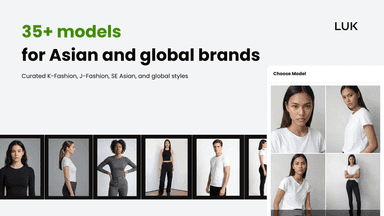


All the numbers
Every figure, side by side
A green dot marks the app ahead on a measured figure. Estimates, gaps and apps that leave no storefront trace never take the lead.
Adoption
| Measure |  Atelier |  LUK |
|---|---|---|
| Detected stores | Not published | Not published |
| Net store change, 28 days | 0 | 0 |
| Stores added, 28 days | Not enough data | Not enough data |
| Big-brand share | Not enough data | Not enough data |
| Top store categories | Not published | Not published |
| Top store countries | Not published | Not published |
Reviews
| Measure | Atelier | LUK |
|---|---|---|
| App Store rating | Not published | Not published |
| App Store reviews | Not published | Not published |
| New reviews, 28 days | Not enough data | Not enough data |
| Reviewers a year or more in | Not enough data | Not enough data |
FAQ
Atelier and LUK: common questions
- Is Atelier or LUK cheaper?
- Only LUK lists a free plan. Shoplist compares base prices only between monthly plans in the same currency; usage charges and annual plans vary, so check each plan’s limits.
- Where does this comparison’s data come from?
- Shoplist crawls Shopify storefronts to detect which apps each store runs, and reads each app’s Shopify App Store listing for reviews, pricing, features and integrations. Store counts are as of Oct 13, 2026; estimated figures are labeled.
How Shoplist compares apps
Store counts come from Shoplist’s crawl of Shopify storefronts, which detects the apps each store runs; they are as of Oct 13, 2026. Reviews, ratings, plans, features and integrations come from each app’s Shopify App Store listing. 28-day figures are labeled when estimated, and a figure that is missing or estimated never decides who leads. Read the methodology.