

JSONify ‑ No Code Data Access vs Shop
Two Shopify apps, side by side: detected stores, momentum, reviews, plans, listed features and who runs each. Store counts as of Oct 13, 2026 for JSONify, Nov 9, 2026 for Shop.
The short answer
- Shop lists 11 features JSONify’s listing doesn’t mention, including Bulk upload, Custom listings, Inventory sync.
Head to head


Create a free mobile app experience for your online store.


- United States
- United Kingdom
- Australia
Momentum
New reviews each month
Review pace is the clearest public read on how fast an app is winning new merchants.
Full App Access
Coverage counts what each App Store listing names. Every feature, checked off app by app, is in Shoplist.
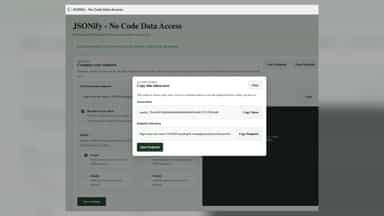
See every featureJSONify gives merchants a no-code way to expose store data through a secure JSON endpoint. Merchants can choose which order and product data to include, protect access with a token, and use the endpoint with dashboards, internal tools, and external automations. The app proxy setup keeps the endpoint tied to the Shopify store while letting merchants manage data access from the app.
When you build your business on Shopify, you automatically unlock exclusive access to selling on Shop. Millions of shoppers around the world use Shop to discover new brands, buy with 1 tap, and track all their orders. And because shoppers are pre-verified, they convert better. Best of all, you pay no marketplace fees to sell on Shop.
- Create a secure JSON endpoint for order and product data
- Choose which data fields to expose from the admin
- Control access with token protection or a public endpoint
- Convert more sales with Shop Pay’s accelerated checkout
- Build trust and increase transparency with the ‘Track with Shop’ button
- Customize your mobile app storefront with assets unique to your brand
- Engage and retain customers with personalized product recommendations




All the numbers
Every figure, side by side
A green dot marks the app ahead on a measured figure. Estimates, gaps and apps that leave no storefront trace never take the lead.
Adoption
| Measure |  JSONify |  Shop |
|---|---|---|
| Detected stores | Not published | 75 |
| Net store change, 28 days | 0 | +3 |
| Stores added, 28 days | Not enough data | 4 |
| Big-brand share | Not enough data | Not enough data |
| Top store categories | Not published | Apparel & Accessories, Health & Beauty, Home & Garden |
| Top store countries | Not published | United States, United Kingdom, Australia |
Reviews
| Measure | JSONify | Shop |
|---|---|---|
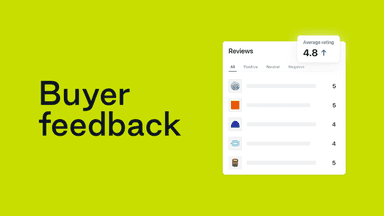
| App Store rating | Not published | 4.8 ★ |
| App Store reviews | Not published | 10,185 |
| New reviews, 28 days | Not enough data | 564 |
| Reviewers a year or more in | Not enough data | 38% |
FAQ
JSONify and Shop: common questions
- What features does each app list that the other doesn’t?
- Shop lists 11 the others don’t mention, such as Bulk upload, Custom listings, Inventory sync, Listing analytics. A feature missing from a listing may still be supported; this compares what each App Store listing says.
- Where does this comparison’s data come from?
- Shoplist crawls Shopify storefronts to detect which apps each store runs, and reads each app’s Shopify App Store listing for reviews, pricing, features and integrations. Store counts are as of Oct 13, 2026 for JSONify, Nov 9, 2026 for Shop; estimated figures are labeled.
How Shoplist compares apps
Store counts come from Shoplist’s crawl of Shopify storefronts, which detects the apps each store runs; they are as of Oct 13, 2026 for JSONify, Nov 9, 2026 for Shop. Reviews, ratings, plans, features and integrations come from each app’s Shopify App Store listing. 28-day figures are labeled when estimated, and a figure that is missing or estimated never decides who leads. Read the methodology.