

Intsell: Private Selections vs Singleton | Variants in List
Two Shopify apps, side by side: detected stores, momentum, reviews, plans, listed features and who runs each. Store counts as of Aug 21, 2026 for Intsell, Oct 17, 2026 for Singleton.
The short answer
- Singleton lists 8 features Intsell’s listing doesn’t mention, including Conditional pricing, Custom HTML, Dropdowns.
Head to head


Show products variants in collection with "Add to cart" button
Momentum
New reviews each month
Review pace is the clearest public read on how fast an app is winning new merchants.
Basic plan
Coverage counts what each App Store listing names. Every feature, checked off app by app, is in Shoplist.
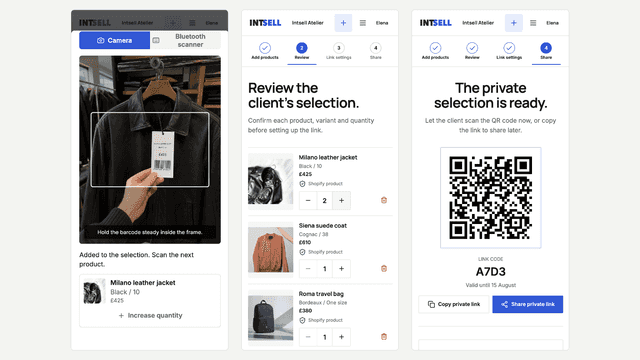
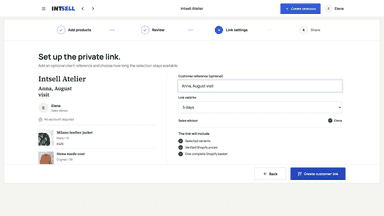
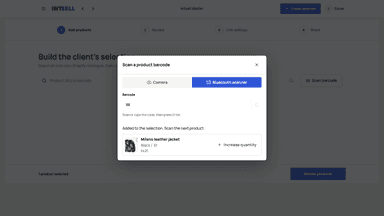
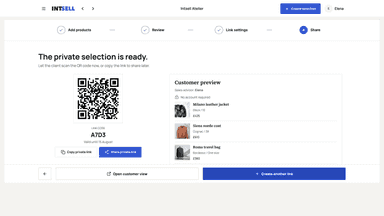
See every featureIntsell is focused clienteling for one in-store moment: a shopper likes products but is not ready to decide. Add exact Shopify variants by catalogue search or barcode, then publish a private, expiring, store-branded selection. The shopper can reopen it without an Intsell account, compare items, contact the store or continue to one complete Shopify cart.
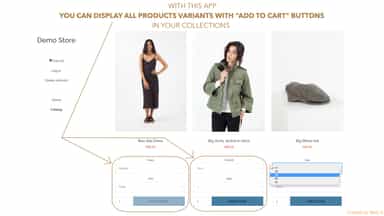
With this app, you can offer your customers faster way of shopping. Customers can add their favourite product variant to the cart directly from your collections, without viewing the product page. For example, you can show your customer available sizes or colors for each product, directly in the home page, all collections, or search results.
- Find exact variants by catalogue search or barcode scan.
- Create named, store-branded selections during the store visit.
- Show a QR code; clients can save, share or contact the store on WhatsApp.
- Let clients reopen the link without an Intsell account or contact details.
- Show products variants with "add to cart" buttons in your collection pages
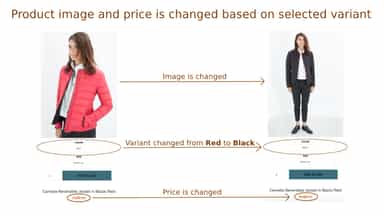
- Show products variants separately, or as variants combinations in one dropdown
- Show or hide unavailable (out of stock) combinations of variants
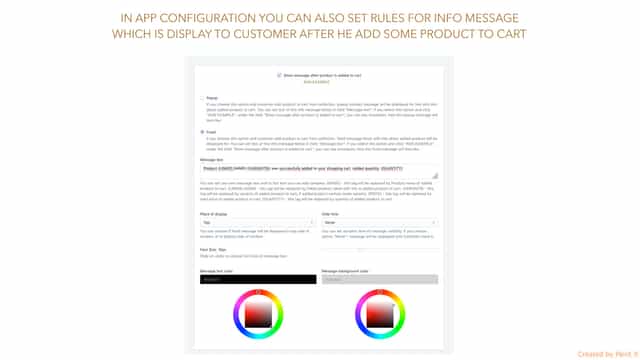
- Show quantity input and allow to choose quantity of products for customers
All the numbers
Every figure, side by side
A green dot marks the app ahead on a measured figure. Estimates, gaps and apps that leave no storefront trace never take the lead.
Adoption
| Measure |  Intsell |  Singleton |
|---|---|---|
| Detected stores | Not published | Not published |
| Net store change, 28 days | 0 | 0 |
| Stores added, 28 days | Not enough data | Not enough data |
| Big-brand share | Not enough data | Not enough data |
| Top store categories | Not published | Not published |
| Top store countries | Not published | Not published |
Reviews
| Measure | Intsell | Singleton |
|---|---|---|
| App Store rating | Not published | 5.0 ★ |
| App Store reviews | Not published | 13 |
| New reviews, 28 days | Not enough data | 0 |
| Reviewers a year or more in | Not enough data | Not enough data |
FAQ
Intsell and Singleton: common questions
- What features does each app list that the other doesn’t?
- Singleton lists 8 the others don’t mention, such as Conditional pricing, Custom HTML, Dropdowns, Dynamic pricing. A feature missing from a listing may still be supported; this compares what each App Store listing says.
- Where does this comparison’s data come from?
- Shoplist crawls Shopify storefronts to detect which apps each store runs, and reads each app’s Shopify App Store listing for reviews, pricing, features and integrations. Store counts are as of Aug 21, 2026 for Intsell, Oct 17, 2026 for Singleton; estimated figures are labeled.
How Shoplist compares apps
Store counts come from Shoplist’s crawl of Shopify storefronts, which detects the apps each store runs; they are as of Aug 21, 2026 for Intsell, Oct 17, 2026 for Singleton. Reviews, ratings, plans, features and integrations come from each app’s Shopify App Store listing. 28-day figures are labeled when estimated, and a figure that is missing or estimated never decides who leads. Read the methodology.