
InfoPin: Image Hotspots vs Konfigr ‑ Parts Diagram
Two Shopify apps, side by side: detected stores, momentum, reviews, plans, listed features and who runs each. Store counts as of Oct 14, 2026.
The short answer
- Both list a free plan. Paid plans start at $2/month for InfoPin and $14.99/month for Konfigr.
Head to head


Momentum
New reviews each month
Review pace is the clearest public read on how fast an app is winning new merchants.
Free
- · 1 product · 1 hotspot per image
Starter
- · Up to 10 products · Unlimited hotspots
Pro
- · Unlimited products · Unlimited hotspots
Free
- · 50+ theme editor settings
- · CSV parts import
- · Email support
- · Interactive diagrams & hotspots
- · Pin specific product variants
- · Unlimited drafts
Pro Monthly
- · 50+ theme editor settings
- · CSV parts import
- · Interactive diagrams & hotspots
- · Pin specific product variants
- · Prefer annual billing? Save 17% in app
- · Priority support
Business Monthly
- · Everything in Pro
- · Import, Export & Bulk konfig manager
- · Infinite-depth hierarchies
- · Konfig Catalog Manager
- · Prefer annual billing? Save 17% in app
- · Priority support
Coverage counts what each App Store listing names. Every feature, checked off app by app, is in Shoplist.
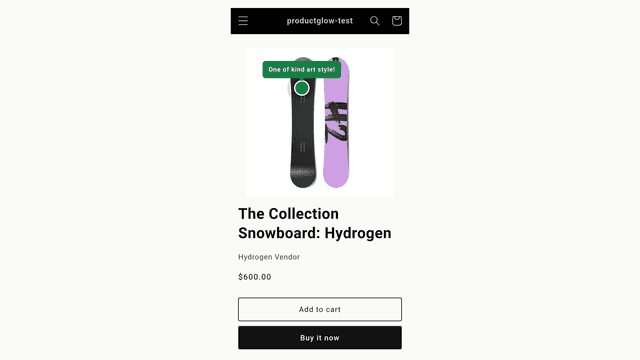
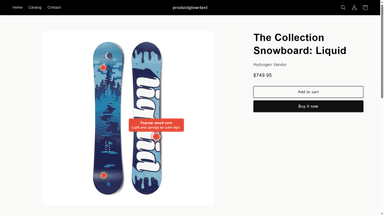
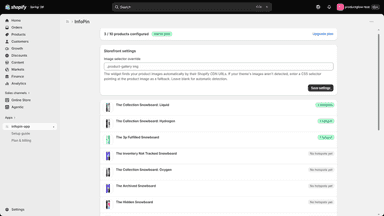
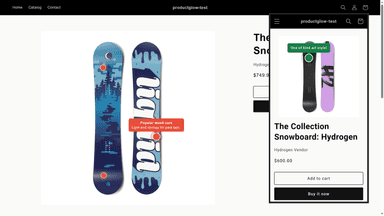
See every featureShoppers scroll product photos looking for details — what a material is, how a feature works. InfoPin lets you place small hotspots directly on product images; a tap or hover shows a short label and description where shoppers are looking. Place and drag pins in a visual editor, customize shapes and colors, and enable one app embed — no theme code, and pins keep working when you switch themes.
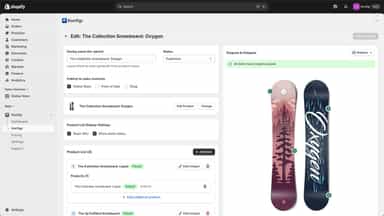
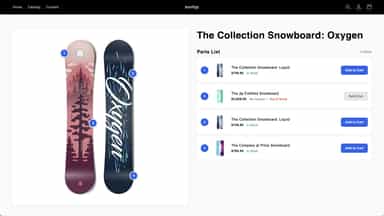
Create a Konfig for each product or model. Shows in your collections & search like any Shopify product, with all its parts on one page. Upload any parts diagram (exploded view, schematic, assembly drawing), add products & place numbered hotspots. Customers click a hotspot, see the matching part highlighted in the parts list & add to cart. No coding. Customise everything in the theme editor.
- Click-to-place visual editor: add hotspots on the product image
- Draggable pins with percentage positions that hold across screen sizes
- Custom label, description, shape, and colors for every hotspot
- Theme-agnostic widget: enable one app embed, no theme code to edit
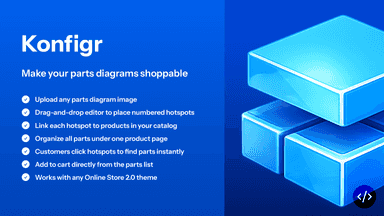
- Upload any parts diagram and place numbered hotspots in minutes
- Drag-and-drop editor to place numbered hotspots
- Link hotspots to existing products in your catalog as sellable parts
- Customers click hotspots to locate items in the parts list and add to cart

All the numbers
Every figure, side by side
A green dot marks the app ahead on a measured figure. Estimates, gaps and apps that leave no storefront trace never take the lead.
Adoption
| Measure |  InfoPin |  Konfigr |
|---|---|---|
| Detected stores | Not published | Not published |
| Net store change, 28 days | 0 | 0 |
| Stores added, 28 days | Not enough data | Not enough data |
| Big-brand share | Not enough data | Not enough data |
| Top store categories | Not published | Not published |
| Top store countries | Not published | Not published |
Reviews
| Measure | InfoPin | Konfigr |
|---|---|---|
| App Store rating | Not published | 5.0 ★ |
| App Store reviews | Not published | 3 |
| New reviews, 28 days | Not enough data | Not enough data |
| Reviewers a year or more in | Not enough data | Not enough data |
FAQ
InfoPin and Konfigr: common questions
- Is InfoPin or Konfigr cheaper?
- Both list a free plan. Paid plans start at $2/month for InfoPin and $14.99/month for Konfigr. Shoplist compares base prices only between monthly plans in the same currency; usage charges and annual plans vary, so check each plan’s limits.
- Where does this comparison’s data come from?
- Shoplist crawls Shopify storefronts to detect which apps each store runs, and reads each app’s Shopify App Store listing for reviews, pricing, features and integrations. Store counts are as of Oct 14, 2026; estimated figures are labeled.
How Shoplist compares apps
Store counts come from Shoplist’s crawl of Shopify storefronts, which detects the apps each store runs; they are as of Oct 14, 2026. Reviews, ratings, plans, features and integrations come from each app’s Shopify App Store listing. 28-day figures are labeled when estimated, and a figure that is missing or estimated never decides who leads. Read the methodology.