

Hextom: Workflow Automation vs CatalogOS ‑ AI Recommendations
Two Shopify apps, side by side: detected stores, momentum, reviews, plans, listed features and who runs each. Store counts as of Oct 13, 2026.
The short answer
- Only Hextom lists a free plan. Paid plans start at $9.99/month for Hextom and $7.99/month for CatalogOS.
- Hextom lists 7 features CatalogOS’s listing doesn’t mention, including Auto-sync data, Customer tags, Email responses.
Head to head


Your free virtual assistant, automate your daily workflow
Momentum
New reviews each month
Review pace is the clearest public read on how fast an app is winning new merchants.
Starter Plan
- · 5 active automation
- · 50 automated actions per month
- · Curated Data Tables for emails
- · Multiple conditions-actions automations
- · Scheduled tasks
Growth Plan
- · 300 automated actions per month
- · 5 active automation
- · All Starter plan features included
Basic Plan
- · 1000 automated actions per month
- · All Growth plan features included
- · Unlimited active automation
Profressional Plan
- · 3000 automated actions per month
- · All Basic plan features included
- · Unlimited active automation
Basic
- · Automatic updates when product changes
- · Catalog health score with issues and war
- · Open affected items to fix them
- · Sync up to 100 products & collections
Advanced
- · Automatic updates when product changes
- · Catalog health score with issues and war
- · Open affected items to fix them
- · Sync up to 500 products & collections
Coverage counts what each App Store listing names. Every feature, checked off app by app, is in Shoplist.
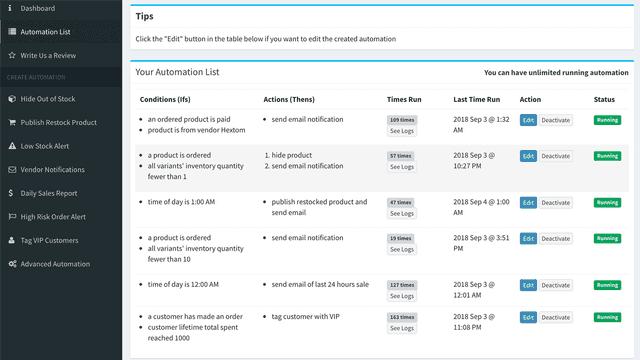
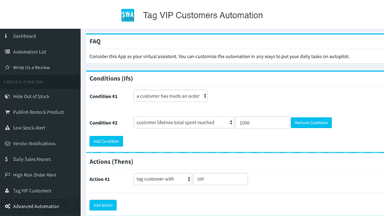
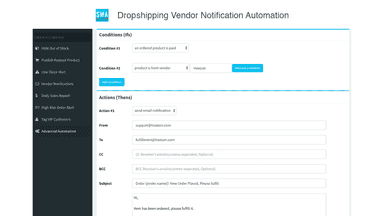
See every featureShop Workflow Automation is an e-commerce automation solution that takes daily operations off your shoulders, so you can concentrate on growing your business. The App provides curated library of templates that you can choose from and build automation right away. You can also build any custom automation in a few clicks.
CatalogOS is your catalog health and management layer for store. It analyzes your products, variants, and collections to identify missing, incomplete, inconsistent, or potentially problematic catalog data. From missing images and SKUs to empty collections and unorganized products, CatalogOS helps you understand what needs attention and what you can do about it.
- Turn manual and repetitive tasks into automated workflows
- Build automation in a few clicks, no coding required
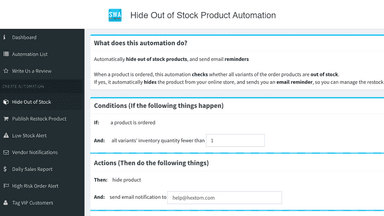
- Automate repetitive tasks such as fraud detection, hide out of stock items, etc
- Schedule based tasks such as daily sales reporting, payment reminder, etc
- Order Monitoring & Smart Alerts.
- Low Inventory Alerts.
- Automatic Theme Backup on Updates.
- On demand Performance Reports.
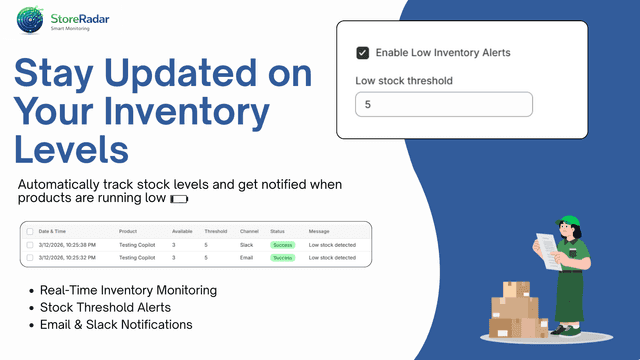
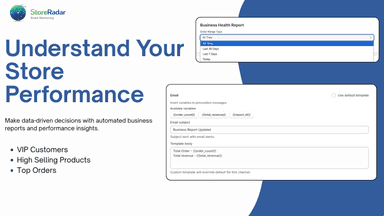

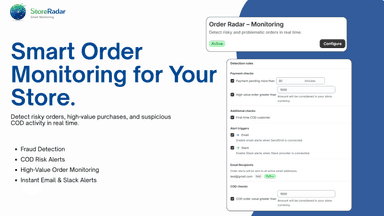
All the numbers
Every figure, side by side
A green dot marks the app ahead on a measured figure. Estimates, gaps and apps that leave no storefront trace never take the lead.
Adoption
| Measure |  Hextom |  CatalogOS |
|---|---|---|
| Detected stores | Not published | Not published |
| Net store change, 28 days | 0 | 0 |
| Stores added, 28 days | Not enough data | Not enough data |
| Big-brand share | Not enough data | Not enough data |
| Top store categories | Not published | Not published |
| Top store countries | Not published | Not published |
Reviews
| Measure | Hextom | CatalogOS |
|---|---|---|
| App Store rating | 4.9 ★ | Not published |
| App Store reviews | 33 | Not published |
| New reviews, 28 days | 0 | Not enough data |
| Reviewers a year or more in | Not enough data | Not enough data |
FAQ
Hextom and CatalogOS: common questions
- Is Hextom or CatalogOS cheaper?
- Only Hextom lists a free plan. Paid plans start at $9.99/month for Hextom and $7.99/month for CatalogOS. Shoplist compares base prices only between monthly plans in the same currency; usage charges and annual plans vary, so check each plan’s limits.
- What features does each app list that the other doesn’t?
- Hextom lists 7 the others don’t mention, such as Auto-sync data, Customer tags, Email responses, Order processing. CatalogOS lists 1 the others don’t mention, such as Multi-store. A feature missing from a listing may still be supported; this compares what each App Store listing says.
- Where does this comparison’s data come from?
- Shoplist crawls Shopify storefronts to detect which apps each store runs, and reads each app’s Shopify App Store listing for reviews, pricing, features and integrations. Store counts are as of Oct 13, 2026; estimated figures are labeled.
How Shoplist compares apps
Store counts come from Shoplist’s crawl of Shopify storefronts, which detects the apps each store runs; they are as of Oct 13, 2026. Reviews, ratings, plans, features and integrations come from each app’s Shopify App Store listing. 28-day figures are labeled when estimated, and a figure that is missing or estimated never decides who leads. Read the methodology.