
GxLocal vs SyncLogic
Two Shopify apps, side by side: detected stores, momentum, reviews, plans, listed features and who runs each. Store counts as of Jun 8, 2026 for GxLocal, Nov 4, 2026 for SyncLogic.
The short answer
- GxLocal lists 9 features SyncLogic’s listing doesn’t mention, including Automatic, Barcodes, Bulk.
Head to head


Momentum
New reviews each month
Review pace is the clearest public read on how fast an app is winning new merchants.
Free
- · Connect your store
- · Inventory auto-updates from GxLocal
- · Pick products and publish to your store
Standard plan
- · For shops with up to 10,000 products. (Price per connected shop)
Coverage counts what each App Store listing names. Every feature, checked off app by app, is in Shoplist.
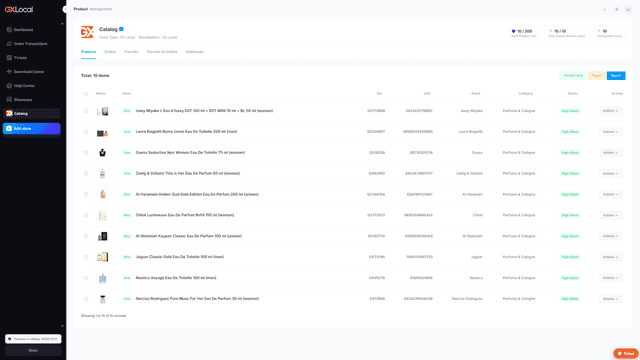
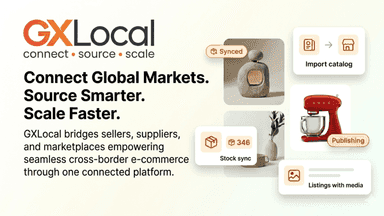
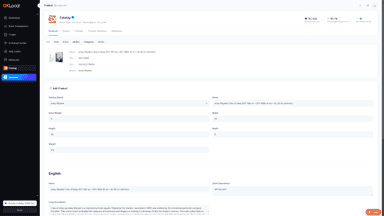
See every featureGxLocal lets you import products from our catalog directly into your store, so you can start selling without sourcing or creating listings yourself. After a product is added, GxLocal keeps stock and product details updated automatically, so your store reflects current availability and you avoid selling out-of-stock items. It is built for merchants who want a ready supply of products and reliable inventory data.
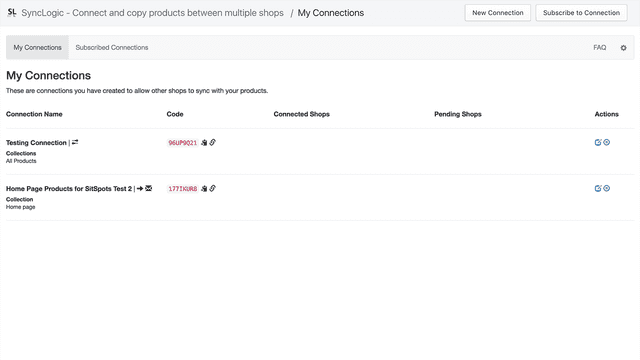
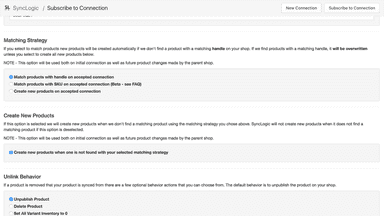
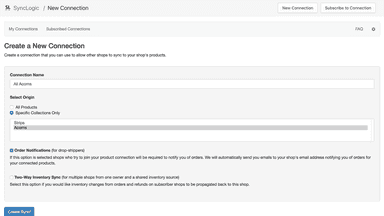
Sync your products and inventory between stores. Manage multiple stores with the same products all from one place! Expand your business by selling your products on partner stores. Automatically create wholesale orders on your store and invoice the retail shop through Shopify. New products, updates to product details, inventory changes, etc., can all be synced out to subscriber stores within seconds.
- Import products from the GxLocal catalog into your store.
- Keep imported products' stock and prices in sync automatically.
- Publish full listings with photos and descriptions to your store.
- Real time sync of product and inventory info, updated on child shops in seconds.
- Become a wholesaler and drop ship your products through multiple retailers.
- Sync only what you need, disabling sync of select product features as needed.
- Automatically adapt prices by a percentage on sync.
All the numbers
Every figure, side by side
A green dot marks the app ahead on a measured figure. Estimates, gaps and apps that leave no storefront trace never take the lead.
Adoption
| Measure |  GxLocal |  SyncLogic |
|---|---|---|
| Detected stores | Not published | Not published |
| Net store change, 28 days | 0 | 0 |
| Stores added, 28 days | Not enough data | Not enough data |
| Big-brand share | Not enough data | Not enough data |
| Top store categories | Not published | Not published |
| Top store countries | Not published | Not published |
Reviews
| Measure | GxLocal | SyncLogic |
|---|---|---|
| App Store rating | Not published | 4.4 ★ |
| App Store reviews | Not published | 61 |
| New reviews, 28 days | Not enough data | 1 |
| Reviewers a year or more in | Not enough data | Not enough data |
FAQ
GxLocal and SyncLogic: common questions
- What features does each app list that the other doesn’t?
- GxLocal lists 9 the others don’t mention, such as Automatic, Barcodes, Bulk, Manual. A feature missing from a listing may still be supported; this compares what each App Store listing says.
- Where does this comparison’s data come from?
- Shoplist crawls Shopify storefronts to detect which apps each store runs, and reads each app’s Shopify App Store listing for reviews, pricing, features and integrations. Store counts are as of Jun 8, 2026 for GxLocal, Nov 4, 2026 for SyncLogic; estimated figures are labeled.
How Shoplist compares apps
Store counts come from Shoplist’s crawl of Shopify storefronts, which detects the apps each store runs; they are as of Jun 8, 2026 for GxLocal, Nov 4, 2026 for SyncLogic. Reviews, ratings, plans, features and integrations come from each app’s Shopify App Store listing. 28-day figures are labeled when estimated, and a figure that is missing or estimated never decides who leads. Read the methodology.