

Fulltrack vs RedTrack
Two Shopify apps, side by side: detected stores, momentum, reviews, plans, listed features and who runs each. Store counts as of Nov 9, 2026.
The short answer
- RedTrack is detected on 13× as many Shopify stores as Fulltrack: 13 vs 1 as of Nov 9, 2026.
- Only RedTrack lists a free plan. Paid plans start at $20/month for Fulltrack and $99/month for RedTrack.
- RedTrack lists 9 features Fulltrack’s listing doesn’t mention, including Analytics dashboard, Cohort analysis, Custom dashboards.
Head to head


- Netherlands
- United States
- Hong Kong
- India
Launch deal
- · 100% accurate server-side tracking
- · Higher ROAS with accurate tracking
- · Lifetime access for only €20
- · Quick and easy plug-and-play setup
Relay
- · 1 store
- · 1 user
- · AI dashboard
- · Ads Manager (read-only)
- · CAPI for Meta, TikTok, Google, etc.
- · Conversion tracking
Brand
- · 2 AI dashboards
- · 3 stores
- · Ad spend sync, 1h ad-level
- · CAPI for Meta, TikTok, Google, etc.
- · Conversion path report
- · MCP
Agency
- · 4 AI dashboards
- · Everything in brand, plus:
- · Priority support
- · Setup assistance
- · Unlimited stores
Coverage counts what each App Store listing names. Every feature, checked off app by app, is in Shoplist.
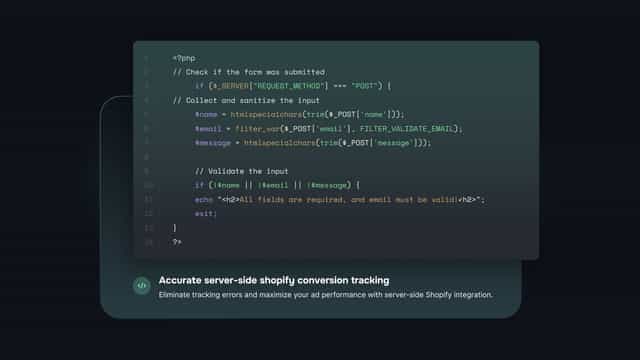
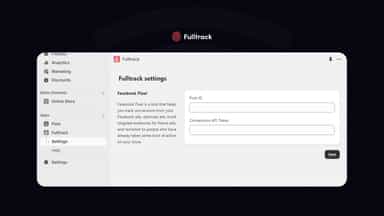
See every featureFulltrack ensures that your advertising campaigns are powered by complete and enriched data. Many ad platforms capture only part of the conversion events, leading to incomplete insights and less effective targeting. With FullTrack, you get 100% server-side tracking without complex setups, ensuring you never miss a conversion.
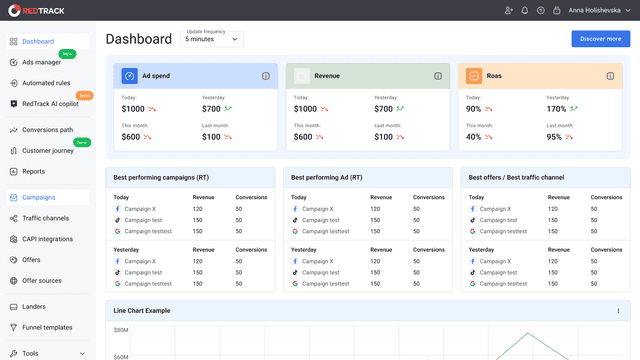
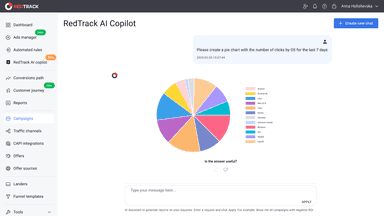
RedTrack connects to your store and tracks your campaigns. It shows you what every campaign, ad set and ad delivered, measured on your own 1st party data and attribution rules you set, not on what API pulls from Meta or Google dashboard. RedTrack records clicks and conversions server-side, from your store, at the moment they happen.
- Accurate Conversion Tracking: Capture every conversion across your ad platforms.
- Easy Plug-and-Play Setup: No Developer needed.
- Enriched Customer Data: Send enhanced conversion data to improve audience target
- Multi-Platform Compatibility: Seamlessly connect with Google Ads, Meta, and more
- Server-side conversion tracking and Conversion API
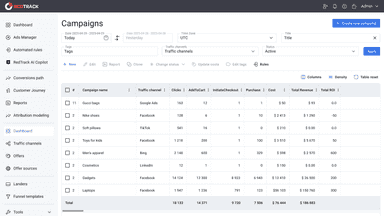
- Revenue and ROAS by channel, campaign, and creative
- Attribution modelling
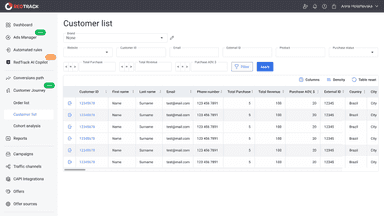
- Customer cohorts and lifetime value

All the numbers
Every figure, side by side
A green dot marks the app ahead on a measured figure. Estimates, gaps and apps that leave no storefront trace never take the lead.
Adoption
| Measure |  Fulltrack |  RedTrack |
|---|---|---|
| Detected stores | 1 | 13(ahead) |
| Net store change, 28 days | 0 | +1 |
| Stores added, 28 days | Not enough data | 1 |
| Big-brand share | Not enough data | Not enough data |
| Top store categories | Home & Garden | Health & Beauty, Apparel & Accessories, Food, Beverages & Tobacco |
| Top store countries | Netherlands | United States, Hong Kong, India |
Reviews
| Measure | Fulltrack | RedTrack |
|---|---|---|
| App Store rating | Not published | Not published |
| App Store reviews | Not published | Not published |
| New reviews, 28 days | Not enough data | Not enough data |
| Reviewers a year or more in | Not enough data | Not enough data |
FAQ
Fulltrack and RedTrack: common questions
- Which is more popular, Fulltrack or RedTrack?
- RedTrack is detected on 13× as many Shopify stores as Fulltrack: 13 vs 1 as of Nov 9, 2026.
- Is Fulltrack or RedTrack cheaper?
- Only RedTrack lists a free plan. Paid plans start at $20/month for Fulltrack and $99/month for RedTrack. Shoplist compares base prices only between monthly plans in the same currency; usage charges and annual plans vary, so check each plan’s limits.
- What features does each app list that the other doesn’t?
- Fulltrack lists 4 the others don’t mention, such as GDPR compliance, Page views, Pixel tracking, Visitor IP. RedTrack lists 9 the others don’t mention, such as Analytics dashboard, Cohort analysis, Custom dashboards, Custom reports. A feature missing from a listing may still be supported; this compares what each App Store listing says.
- Where does this comparison’s data come from?
- Shoplist crawls Shopify storefronts to detect which apps each store runs, and reads each app’s Shopify App Store listing for reviews, pricing, features and integrations. Store counts are as of Nov 9, 2026; estimated figures are labeled.
How Shoplist compares apps
Store counts come from Shoplist’s crawl of Shopify storefronts, which detects the apps each store runs; they are as of Nov 9, 2026. Reviews, ratings, plans, features and integrations come from each app’s Shopify App Store listing. 28-day figures are labeled when estimated, and a figure that is missing or estimated never decides who leads. Read the methodology.