

Flowfy ‑ Workflow automations vs Linnworks
Two Shopify apps, side by side: detected stores, momentum, reviews, plans, listed features and who runs each. Store counts as of Feb 19, 2026 for Flowfy, Oct 13, 2026 for Linnworks.
The short answer
- Flowfy lists 8 features Linnworks’s listing doesn’t mention, including APIs, Auto-sync data, Conditional logic.
Head to head


Momentum
New reviews each month
Review pace is the clearest public read on how fast an app is winning new merchants.
Free
Coverage counts what each App Store listing names. Every feature, checked off app by app, is in Shoplist.
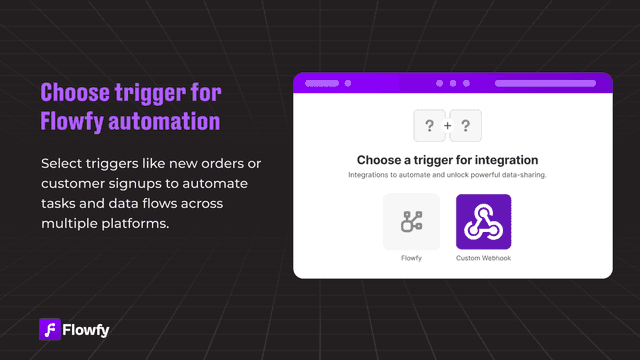
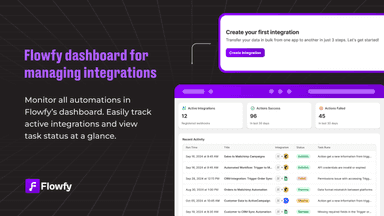
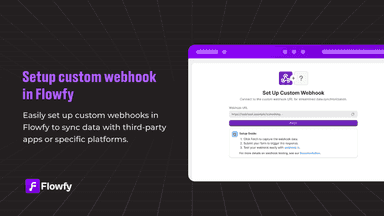
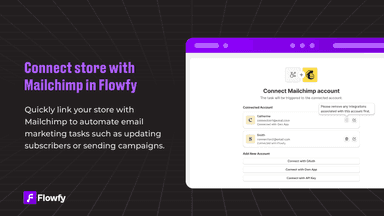
See every featureFlowfy simplifies automation by easily integrating your store with apps like crm, email marketing etc. Our app helps you integrate essential workflows like order management, customer data updates, automate order, export data and inventory sync which reduces manual tasks and saves time.
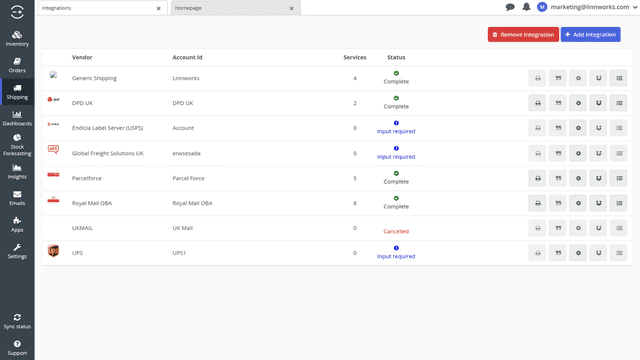
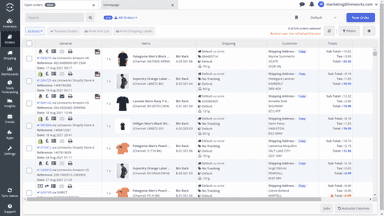
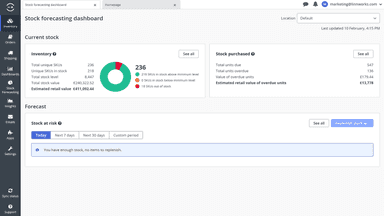
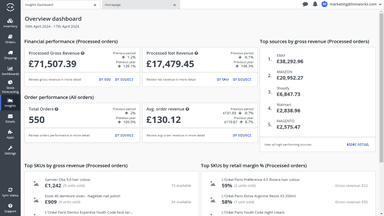
Linnworks is the global growth platform for omnichannel retailers. Our mission at Linnworks is to simplify commerce operations for everyone. With 100+ integrations, Linnworks covers everything you need - from order and inventory management, analytics and forecasting, warehouse management, selling channel listings, and fulfillment.
- Workflow automations: Build custom workflow automations without any code.
- Integrations: Connect your store with CRM, email tools, Google Sheets, and more.
- Automate order management, customer data syncing, and inventory updates.
- Data export: Export data quickly for analysis, marketing, or reporting.
- One single source of truth across all inventory, warehouse and order management
- Easy access to a rich partner ecosystem including key sales channels integration
- A team dedicated to simplifying and improving your commerce operations
All the numbers
Every figure, side by side
A green dot marks the app ahead on a measured figure. Estimates, gaps and apps that leave no storefront trace never take the lead.
Adoption
| Measure |  Flowfy |  Linnworks |
|---|---|---|
| Detected stores | Not published | Not published |
| Net store change, 28 days | 0 | 0 |
| Stores added, 28 days | Not enough data | Not enough data |
| Big-brand share | Not enough data | Not enough data |
| Top store categories | Not published | Not published |
| Top store countries | Not published | Not published |
Reviews
| Measure | Flowfy | Linnworks |
|---|---|---|
| App Store rating | Not published | 4.1 ★ |
| App Store reviews | Not published | 3 |
| New reviews, 28 days | Not enough data | 0 |
| Reviewers a year or more in | Not enough data | Not enough data |
FAQ
Flowfy and Linnworks: common questions
- What features does each app list that the other doesn’t?
- Flowfy lists 8 the others don’t mention, such as APIs, Auto-sync data, Conditional logic, Custom triggers. Linnworks lists 5 the others don’t mention, such as Inventory levels, Order fulfillment, Order processing, Return processing. A feature missing from a listing may still be supported; this compares what each App Store listing says.
- Where does this comparison’s data come from?
- Shoplist crawls Shopify storefronts to detect which apps each store runs, and reads each app’s Shopify App Store listing for reviews, pricing, features and integrations. Store counts are as of Feb 19, 2026 for Flowfy, Oct 13, 2026 for Linnworks; estimated figures are labeled.
How Shoplist compares apps
Store counts come from Shoplist’s crawl of Shopify storefronts, which detects the apps each store runs; they are as of Feb 19, 2026 for Flowfy, Oct 13, 2026 for Linnworks. Reviews, ratings, plans, features and integrations come from each app’s Shopify App Store listing. 28-day figures are labeled when estimated, and a figure that is missing or estimated never decides who leads. Read the methodology.