
Feed Well vs FeedGeni ‑ Product Feeds
Two Shopify apps, side by side: detected stores, momentum, reviews, plans, listed features and who runs each. Store counts as of Oct 13, 2026.
The short answer
- Both list a free plan. Paid plans start at $10/month for Feed Well and $5/month for FeedGeni.
- FeedGeni lists 18 features Feed Well’s listing doesn’t mention, including Attribute filtering, Bulk editing, Collection targeting.
Head to head


Momentum
New reviews each month
Review pace is the clearest public read on how fast an app is winning new merchants.
free
- · 20 Updates Every 30 Days
- · Google & Meta Feeds
- · Up to 50 Products
plus
- · 100 Updates at Each 30 Days
- · Daily & Weekly Sync Available
- · Unlimited Products
Free
- · 1 Feed
- · All Shopping Channels
- · Manual Feed Updates
- · Manual Product Updates
- · Up to 50 Products / SKUs per feed
Starter
- · 1 Feed
- · All Shopping Channels
- · Automatic Feed Updates
- · Automatic Product Updates
- · Free Initial Feed Setup
- · Up to 500 Products / SKUs per feed
Economy
- · 10 Feeds
- · All Shopping Channels
- · Free Initial Feed Setup
- · Up to 2,000 Products / SKUs per feed
- · XML/CSV/TXT Custom Feed Support
Enterprise
- · 20 Feeds
- · All Shopping Channels
- · Free Initial Feed Setup
- · Up to 50,000 Products / SKUs per feed
- · XML/CSV/TXT Custom Feed Support
Coverage counts what each App Store listing names. Every feature, checked off app by app, is in Shoplist.
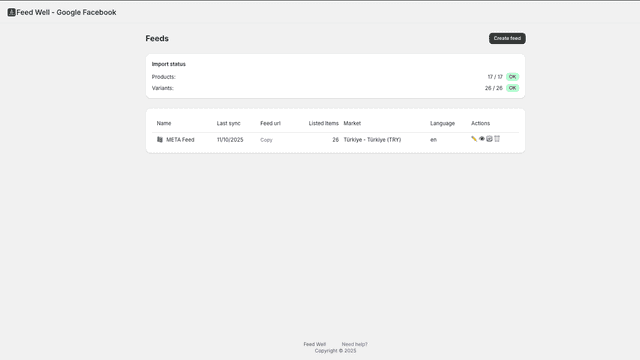
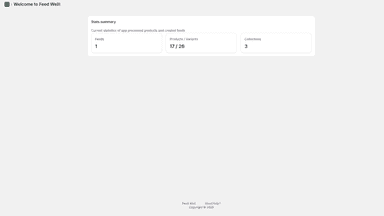
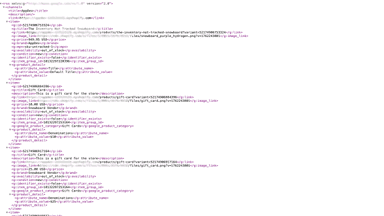
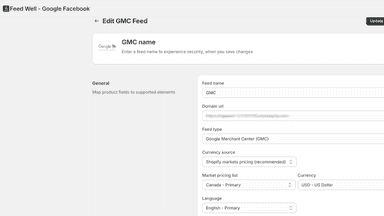
See every featureFeed Well lets merchants quickly generate and manage product feeds for Google Merchant Center and Meta. Easily create feeds in a few clicks and choose which collections to include. Flexible feed and marketplace options give you control to adapt as your business grows.
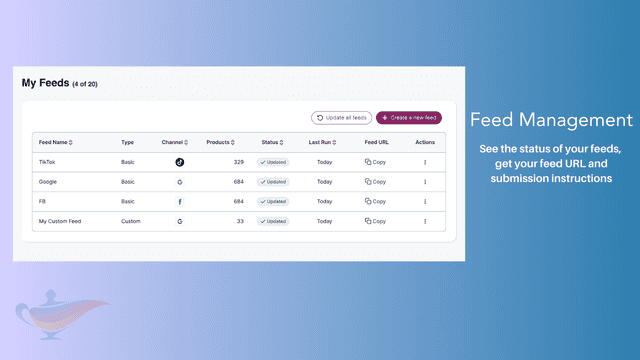
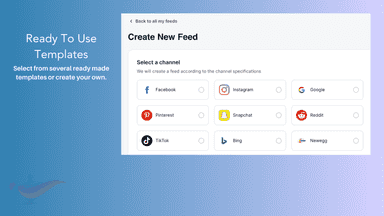
FeedGeni enables Shopify merchants to create, manage and optimize product feeds for any shopping channel and includes templates for popular channels like: Google Merchant Center, OpenAI, Facebook/Instagram, TikTok, Reddit, Pinterest, Snapchat, PriceRunner, Ascend. Paid account feeds are updated automatically as your product catalog changes.
- Quickly build product feeds for Google Merchant Center and Meta platforms.
- Choose which collections you want to add to each product feed.
- Intuitive interface, with expanded feed customization options on the way.
- Shopping feeds for any marketing channel, including Google, FB/IG and TikTok.
- Keep feeds in sync automatically as your catalog changes.
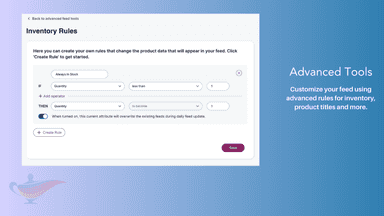
- Advanced features such as custom titles & descriptions for your products
All the numbers
Every figure, side by side
A green dot marks the app ahead on a measured figure. Estimates, gaps and apps that leave no storefront trace never take the lead.
Adoption
| Measure |  Feed Well |  FeedGeni |
|---|---|---|
| Detected stores | Not published | Not published |
| Net store change, 28 days | 0 | 0 |
| Stores added, 28 days | Not enough data | Not enough data |
| Big-brand share | Not enough data | Not enough data |
| Top store categories | Not published | Not published |
| Top store countries | Not published | Not published |
Reviews
| Measure | Feed Well | FeedGeni |
|---|---|---|
| App Store rating | Not published | 4.6 ★ |
| App Store reviews | Not published | 32 |
| New reviews, 28 days | Not enough data | 0 |
| Reviewers a year or more in | Not enough data | Not enough data |
FAQ
Feed Well and FeedGeni: common questions
- Is Feed Well or FeedGeni cheaper?
- Both list a free plan. Paid plans start at $10/month for Feed Well and $5/month for FeedGeni. Shoplist compares base prices only between monthly plans in the same currency; usage charges and annual plans vary, so check each plan’s limits.
- What features does each app list that the other doesn’t?
- FeedGeni lists 18 the others don’t mention, such as Attribute filtering, Bulk editing, Collection targeting, Custom labels. A feature missing from a listing may still be supported; this compares what each App Store listing says.
- Where does this comparison’s data come from?
- Shoplist crawls Shopify storefronts to detect which apps each store runs, and reads each app’s Shopify App Store listing for reviews, pricing, features and integrations. Store counts are as of Oct 13, 2026; estimated figures are labeled.
How Shoplist compares apps
Store counts come from Shoplist’s crawl of Shopify storefronts, which detects the apps each store runs; they are as of Oct 13, 2026. Reviews, ratings, plans, features and integrations come from each app’s Shopify App Store listing. 28-day figures are labeled when estimated, and a figure that is missing or estimated never decides who leads. Read the methodology.