

Fanstand: Creator Storefronts vs Popcom
Two Shopify apps, side by side: detected stores, momentum, reviews, plans, listed features and who runs each. Store counts as of Oct 13, 2026 for Fanstand, May 21, 2026 for Popcom.
The short answer
- Only Fanstand lists a free plan.
- Fanstand lists 10 features Popcom’s listing doesn’t mention, including Auto-tracking, Bulk link generation, Custom branding.
Head to head


Starter
- · Core performance analytics
- · Creator profiles with bio + social links
- · Customizable creator landing page design
- · Up to 3 active creators
Growth
- · Additional revenue analytics unlocked
- · Everything in Starter
- · Performance and payout exports
- · Unlimited active creators
Coverage counts what each App Store listing names. Every feature, checked off app by app, is in Shoplist.
See every featureFanstand helps merchants run creator and affiliate programs inside Shopify by giving each creator a dedicated landing page that serves as a hub for their products and promotions. These pages capture high-intent traffic from trusted creator relationships and link visits directly to attributed orders.
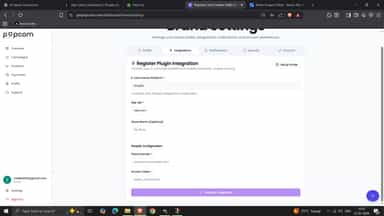
PopCom is an influencer and creator management platform for Shopify merchants. Automatically track sales generated from creator discount codes, calculate commissions, and manage your affiliate network in one dashboard. Features include real-time analytics, automated commission tracking, creator onboarding tools, and seamless Shopify integration.
- Create creator pages in your theme with profiles and product picks.
- Track creator performance from visits to orders in one view.
- Import creators from CSV or XLSX to launch faster.
- Export creator performance reports for payout workflows.
- Track sales from creator discount codes automatically
- Real-time analytics and commission calculations
- Easy creator onboarding and management dashboard




All the numbers
Every figure, side by side
A green dot marks the app ahead on a measured figure. Estimates, gaps and apps that leave no storefront trace never take the lead.
Adoption
| Measure |  Fanstand |  Popcom |
|---|---|---|
| Detected stores | Not published | Not published |
| Net store change, 28 days | 0 | 0 |
| Stores added, 28 days | Not enough data | Not enough data |
| Big-brand share | Not enough data | Not enough data |
| Top store categories | Not published | Not published |
| Top store countries | Not published | Not published |
Reviews
| Measure | Fanstand | Popcom |
|---|---|---|
| App Store rating | Not published | Not published |
| App Store reviews | Not published | Not published |
| New reviews, 28 days | Not enough data | Not enough data |
| Reviewers a year or more in | Not enough data | Not enough data |
FAQ
Fanstand and Popcom: common questions
- Is Fanstand or Popcom cheaper?
- Only Fanstand lists a free plan. Shoplist compares base prices only between monthly plans in the same currency; usage charges and annual plans vary, so check each plan’s limits.
- What features does each app list that the other doesn’t?
- Fanstand lists 10 the others don’t mention, such as Auto-tracking, Bulk link generation, Custom branding, Custom commission. Popcom lists 2 the others don’t mention, such as Automated rules, Custom registration. A feature missing from a listing may still be supported; this compares what each App Store listing says.
- Where does this comparison’s data come from?
- Shoplist crawls Shopify storefronts to detect which apps each store runs, and reads each app’s Shopify App Store listing for reviews, pricing, features and integrations. Store counts are as of Oct 13, 2026 for Fanstand, May 21, 2026 for Popcom; estimated figures are labeled.
How Shoplist compares apps
Store counts come from Shoplist’s crawl of Shopify storefronts, which detects the apps each store runs; they are as of Oct 13, 2026 for Fanstand, May 21, 2026 for Popcom. Reviews, ratings, plans, features and integrations come from each app’s Shopify App Store listing. 28-day figures are labeled when estimated, and a figure that is missing or estimated never decides who leads. Read the methodology.