

EcomAlly vs Origin: Attribution & Profit
Two Shopify apps, side by side: detected stores, momentum, reviews, plans, listed features and who runs each. Store counts as of Nov 8, 2026.
The short answer
- Origin is detected on 32× as many Shopify stores as EcomAlly: 95 vs 3 as of Nov 8, 2026.
- EcomAlly lists 15 features Origin’s listing doesn’t mention, including Abandoned cart, Activity tracking, Benchmarking.
Head to head


- India
- United States
- Czechia
- India
Momentum
New reviews each month
Review pace is the clearest public read on how fast an app is winning new merchants.
Pro
- · 1-year attribution window
- · 2,000 orders/month
- · Custom costs & profit tracking
- · MCP server
- · Meta Ads & Google Ads integration
- · Multi-touch attribution
Platinum
- · 1-year attribution window
- · 10,000 orders/month
- · Custom costs & profit tracking
- · MCP server
- · Meta Ads & Google Ads integration
- · Multi-touch attribution
Coverage counts what each App Store listing names. Every feature, checked off app by app, is in Shoplist.
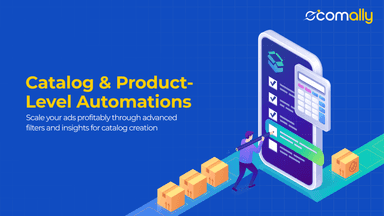
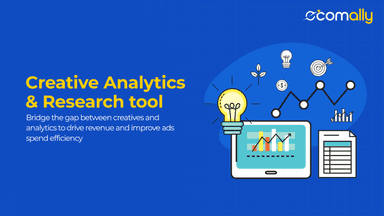
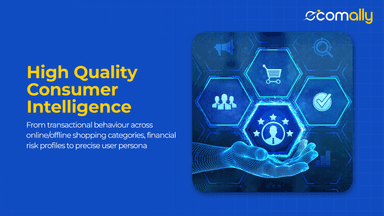
See every featureOur app helps D2C brands solve attribution challenges with accurate first-party and server-side tracking. It analyzes different content types to find performing creatives, builds smart catalog sets based on user actions, and creates precise audiences. This all-in-one solution empowers brands to understand performance deeply, optimize marketing, and drive stronger growth.
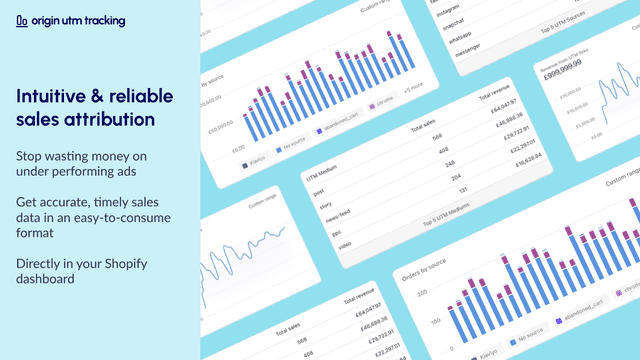
Origin improves your order attribution data and tracks more orders than regular analytics. Beat ad blockers, cookie banners, and iOS 14 limitations with our server side attribution system. Get metrics you can't normally see: LTV, new vs. return customers, net profit, and true ROAS (including LTV) for each ad, campaign, & UTM link.
- Track user behavior with accurate first-party and server-side attribution.
- Analyze different creative types to identify top-performing content
- Create catalog sets based on A2C, checkouts, page views and other metrices.
- Build precise audience segments tailored to brand-specific goals.
- Reliable and accurate UTM analytics
- Instant order attribution - no need to wait days to see results
- Quickly find your top-performing sources and campaigns
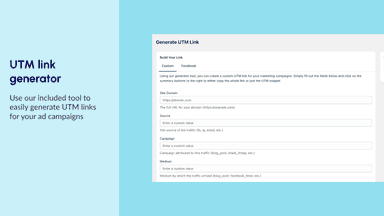
- Generate UTM links and snippets that plug directly into FB Ads




All the numbers
Every figure, side by side
A green dot marks the app ahead on a measured figure. Estimates, gaps and apps that leave no storefront trace never take the lead.
Adoption
| Measure |  EcomAlly |  Origin |
|---|---|---|
| Detected stores | 3 | 95(ahead) |
| Net store change, 28 days | 0 | +4 |
| Stores added, 28 days | Not enough data | 4 |
| Big-brand share | Not enough data | Not enough data |
| Top store categories | Apparel & Accessories, Health & Beauty | Health & Beauty, Sporting Goods, Apparel & Accessories |
| Top store countries | India | United States, Czechia, India |
Reviews
| Measure | EcomAlly | Origin |
|---|---|---|
| App Store rating | Not published | 5.0 ★ |
| App Store reviews | Not published | 34 |
| New reviews, 28 days | Not enough data | 0 |
| Reviewers a year or more in | Not enough data | Not enough data |
FAQ
EcomAlly and Origin: common questions
- Which is more popular, EcomAlly or Origin?
- Origin is detected on 32× as many Shopify stores as EcomAlly: 95 vs 3 as of Nov 8, 2026.
- What features does each app list that the other doesn’t?
- EcomAlly lists 15 the others don’t mention, such as Abandoned cart, Activity tracking, Benchmarking, Checkout analytics. A feature missing from a listing may still be supported; this compares what each App Store listing says.
- Where does this comparison’s data come from?
- Shoplist crawls Shopify storefronts to detect which apps each store runs, and reads each app’s Shopify App Store listing for reviews, pricing, features and integrations. Store counts are as of Nov 8, 2026; estimated figures are labeled.
How Shoplist compares apps
Store counts come from Shoplist’s crawl of Shopify storefronts, which detects the apps each store runs; they are as of Nov 8, 2026. Reviews, ratings, plans, features and integrations come from each app’s Shopify App Store listing. 28-day figures are labeled when estimated, and a figure that is missing or estimated never decides who leads. Read the methodology.