
Dualflow: PreOrder Wait & Save vs Dibs – Preorders & Backorders
Two Shopify apps, side by side: detected stores, momentum, reviews, plans, listed features and who runs each. Store counts as of Oct 14, 2026 for Dualflow, Nov 9, 2026 for Dibs.
The short answer
- Dibs lists 17 features Dualflow’s listing doesn’t mention, including Availability date, Back orders, Badges.
Head to head


- United States
- Hong Kong
- Italy
Momentum
New reviews each month
Review pace is the clearest public read on how fast an app is winning new merchants.
Starter
Growth
Scale
Coverage counts what each App Store listing names. Every feature, checked off app by app, is in Shoplist.
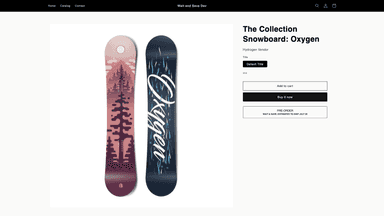
See every featureDualflow adds a discounted Pre-Order button beside Add to Cart. Buyers check out today and Shopify holds fulfillment until your ship date, then releases automatically. The button auto-matches your theme styles. We create hidden pre-order variants per listing, so customers see one product, not two. Real fulfillment holds keep 3PLs from shipping early.
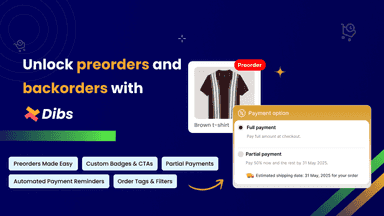
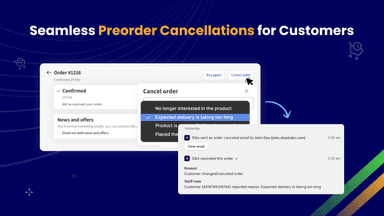
Boost sales with Dibs for pre-launch and out-of-stock scenarios. Manage pre order and backorders to enable purchase of coming soon items. Offer partial deposits, book now pay later and automate payment reminders for scheduled collections. Prevent overselling with checkout validation and inventory tracking. Perfect for made to order items, presales and product launches.
- Pre-Order button styled to match your theme — no CSS required
- Real fulfillment holds keep 3PLs from shipping pre-orders early
- Per-listing discount and ship date with per-variant overrides
- Auto-release fulfillment holds on the ship date
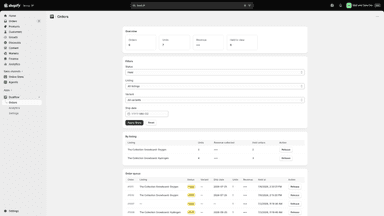
- Supports preorder and backorder plans with product-level customization options.
- Supports both partial and full payments, enhancing transaction flexibility.
- Dashboard to monitor preorder and backorder performance, orders, and statuses.
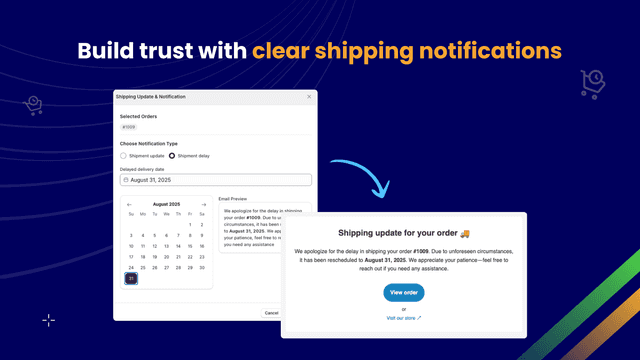
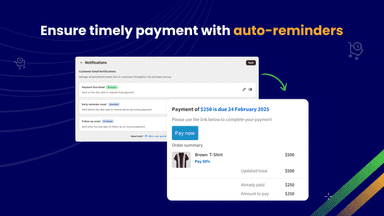
- Send shipping update emails and automate reminders emails with payment due link.



All the numbers
Every figure, side by side
A green dot marks the app ahead on a measured figure. Estimates, gaps and apps that leave no storefront trace never take the lead.
Adoption
| Measure |  Dualflow |  Dibs |
|---|---|---|
| Detected stores | Not published | 13 |
| Net store change, 28 days | 0 | 0 |
| Stores added, 28 days | Not enough data | Not enough data |
| Big-brand share | Not enough data | Not enough data |
| Top store categories | Not published | Apparel & Accessories, Home & Garden, Toys & Games |
| Top store countries | Not published | United States, Hong Kong, Italy |
Reviews
| Measure | Dualflow | Dibs |
|---|---|---|
| App Store rating | Not published | 5.0 ★ |
| App Store reviews | Not published | 149 |
| New reviews, 28 days | Not enough data | Not enough data |
| Reviewers a year or more in | Not enough data | 0% |
FAQ
Dualflow and Dibs: common questions
- What features does each app list that the other doesn’t?
- Dualflow lists 1 the others don’t mention, such as Custom text. Dibs lists 17 the others don’t mention, such as Availability date, Back orders, Badges, Crowdfunding. A feature missing from a listing may still be supported; this compares what each App Store listing says.
- Where does this comparison’s data come from?
- Shoplist crawls Shopify storefronts to detect which apps each store runs, and reads each app’s Shopify App Store listing for reviews, pricing, features and integrations. Store counts are as of Oct 14, 2026 for Dualflow, Nov 9, 2026 for Dibs; estimated figures are labeled.
How Shoplist compares apps
Store counts come from Shoplist’s crawl of Shopify storefronts, which detects the apps each store runs; they are as of Oct 14, 2026 for Dualflow, Nov 9, 2026 for Dibs. Reviews, ratings, plans, features and integrations come from each app’s Shopify App Store listing. 28-day figures are labeled when estimated, and a figure that is missing or estimated never decides who leads. Read the methodology.