
Dropshop vs syncX: Fulfill Tracking Bulk
Two Shopify apps, side by side: detected stores, momentum, reviews, plans, listed features and who runs each. Store counts as of Jun 30, 2026 for Dropshop, Nov 2, 2026 for syncX.
The short answer
- On the Shopify App Store: Dropshop 5.0 from 2 reviews and syncX 4.8 from 56 reviews.
- syncX lists 16 features Dropshop’s listing doesn’t mention, including Auto-sync, Auto-sync data, Custom rules.
Head to head


Momentum
New reviews each month
Review pace is the clearest public read on how fast an app is winning new merchants.
Starter
- · 1 shipping source
- · 17 connections (FTP, Email, API, DropXL)
- · Basic features
- · First 100 fulfillments Free
- · One-page Tracking Entry (free)
- · Sync tracking info to Paypal
Basic
- · 1 shipping source
- · Partial fulfillment (split single order)
- · max 350 orders / month (reset monthly)
Pro
- · 3 shipping sources
- · Partial fulfillment (split single order)
- · max 800 orders / month (reset monthly)
Unlimited
- · All advanced features
- · Auto tagging order once fulfilled
- · Custom delivery status update
- · Custom-build connection (ERP, 3PL)
- · Partial fulfillment (split single order)
- · Priority sync
Coverage counts what each App Store listing names. Every feature, checked off app by app, is in Shoplist.
See every featureRetailers are continuously exploring new approaches to enhance customer conversion and retention. Dropshop was specifically designed to address the customer’s need for faster delivery. Additionally, by leveraging local and sustainable delivery practices, we reduce emissions. By providing more convenient delivery, we help local brick and mortar grow and stay competitive
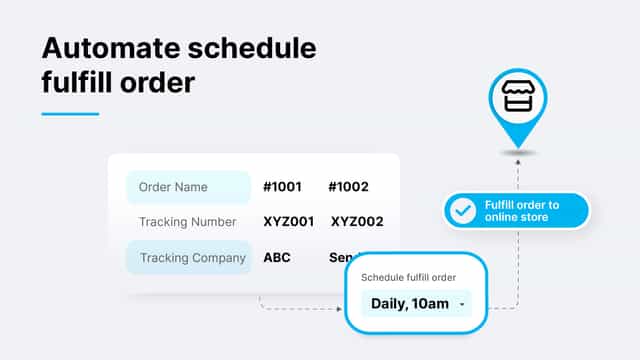
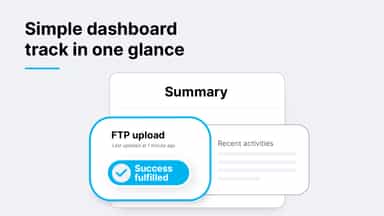
Upload, import, process, and automate orders with CSV workflows and bulk fulfillment in one place. Upload tracking numbers via CSV, Google Sheets, API, FTP, PayPal, or email to fulfill orders instantly. Generate tracking links automatically for any carrier. Automate order workflows by splitting orders by supplier, warehouse, location, or custom rules, and sync data with 3PLs and multiple systems.
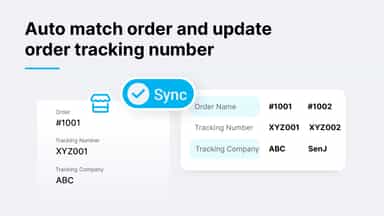
- Auto match order number and fulfill order with tracking info in fulfillment log
- Fetch order files from any type of source such as email, FTP/SFTP, Google Sheet
- Fetch order files from any source e.g email, FTP/SFTP, Google Sheet, REST API
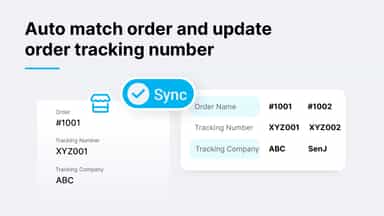
- Automatically match order and update order tracking code. Fits any 3PL courier
All the numbers
Every figure, side by side
A green dot marks the app ahead on a measured figure. Estimates, gaps and apps that leave no storefront trace never take the lead.
Adoption
| Measure |  Dropshop |  syncX |
|---|---|---|
| Detected stores | Not published | Not published |
| Net store change, 28 days | 0 | 0 |
| Stores added, 28 days | Not enough data | Not enough data |
| Big-brand share | Not enough data | Not enough data |
| Top store categories | Not published | Not published |
| Top store countries | Not published | Not published |
Reviews
| Measure | Dropshop | syncX |
|---|---|---|
| App Store rating | 5.0 ★(ahead) | 4.8 ★ |
| App Store reviews | 2 | 56(ahead) |
| New reviews, 28 days | Not enough data | Not enough data |
| Reviewers a year or more in | Not enough data | Not enough data |
FAQ
Dropshop and syncX: common questions
- Which has better reviews, Dropshop or syncX?
- On the Shopify App Store: Dropshop 5.0 from 2 reviews and syncX 4.8 from 56 reviews.
- What features does each app list that the other doesn’t?
- syncX lists 16 the others don’t mention, such as Auto-sync, Auto-sync data, Custom rules, Customer notifications. A feature missing from a listing may still be supported; this compares what each App Store listing says.
- Where does this comparison’s data come from?
- Shoplist crawls Shopify storefronts to detect which apps each store runs, and reads each app’s Shopify App Store listing for reviews, pricing, features and integrations. Store counts are as of Jun 30, 2026 for Dropshop, Nov 2, 2026 for syncX; estimated figures are labeled.
How Shoplist compares apps
Store counts come from Shoplist’s crawl of Shopify storefronts, which detects the apps each store runs; they are as of Jun 30, 2026 for Dropshop, Nov 2, 2026 for syncX. Reviews, ratings, plans, features and integrations come from each app’s Shopify App Store listing. 28-day figures are labeled when estimated, and a figure that is missing or estimated never decides who leads. Read the methodology.