

DropLink: Subscription Links vs Mika: Cart Permalinks
Two Shopify apps, side by side: detected stores, momentum, reviews, plans, listed features and who runs each. Store counts as of Oct 13, 2026 for DropLink, Apr 22, 2026 for Mika.
The short answer
- Only DropLink lists a free plan.
Head to head


DropLink Free
- · 3 active links
- · Branded short URLs
- · Click tracking
- · Downloadable QR codes
- · Subscription checkout lines
DropLink Starter
- · 14-day free trial
- · 25 active links
- · Conversion tracking
- · Discount codes
- · Full analytics
- · Multi-product links
DropLink Pro
- · 14-day free trial
- · A/B testing
- · Advanced funnel analytics
- · Full conversion tracking
- · Unlimited active links
- · Variant overrides for UTMs
DropLink Growth
- · 14-day free trial
- · Custom short link domains
- · Everything in Pro
- · Outgoing webhooks
- · Priority support
- · Programmatic link management
Coverage counts what each App Store listing names. Every feature, checked off app by app, is in Shoplist.
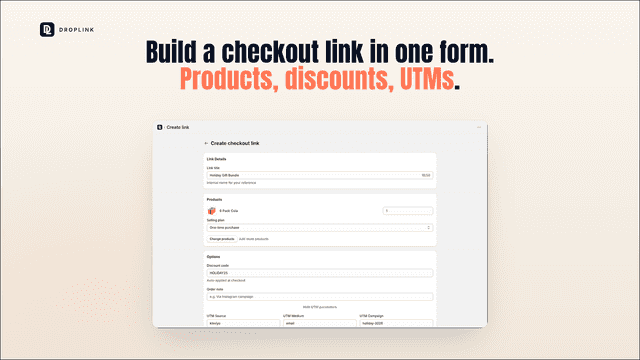
See every featureShopify cart permalinks drop selling plans, so shared links sell one-time instead of subscriptions. DropLink builds the link with the plan attached, free on every plan, and gives it a short URL and QR code. Works with any app that creates standard selling plans, including Shopify Subscriptions, Recharge, Skio, Smartrr and Appstle.
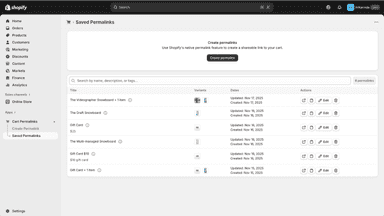
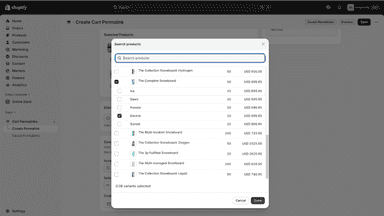
This app generates direct-to-cart links that let customers add preconfigured products with a single click. Merchants can create URLs with specific variants, quantities, subscription plans, discount codes, and UTM parameters for email campaigns, social media, and influencer partnerships.
- Pre-apply subscriptions in checkout. What Shopify permalinks can't do
- Attach discount codes, UTM tracking, and order notes to every link
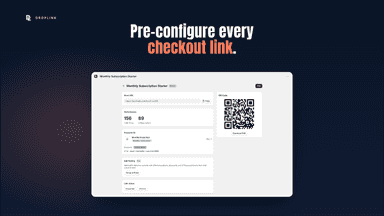
- Conversion tracking. Revenue and orders attributed back to the link
- A/B test checkout variants with different products, discounts, or UTMs
- Multi-variant cart links with custom quantities for each product
- Pre-apply discount codes and subscription plans directly in URLs
- Add UTM parameters for tracking campaign sources and performance
- Reuse saved cart links across multiple campaigns without recreating them



All the numbers
Every figure, side by side
A green dot marks the app ahead on a measured figure. Estimates, gaps and apps that leave no storefront trace never take the lead.
Adoption
| Measure |  DropLink |  Mika |
|---|---|---|
| Detected stores | Not published | Not published |
| Net store change, 28 days | 0 | 0 |
| Stores added, 28 days | Not enough data | Not enough data |
| Big-brand share | Not enough data | Not enough data |
| Top store categories | Not published | Not published |
| Top store countries | Not published | Not published |
Reviews
| Measure | DropLink | Mika |
|---|---|---|
| App Store rating | Not published | Not published |
| App Store reviews | Not published | Not published |
| New reviews, 28 days | Not enough data | Not enough data |
| Reviewers a year or more in | Not enough data | Not enough data |
FAQ
DropLink and Mika: common questions
- Is DropLink or Mika cheaper?
- Only DropLink lists a free plan. Shoplist compares base prices only between monthly plans in the same currency; usage charges and annual plans vary, so check each plan’s limits.
- Where does this comparison’s data come from?
- Shoplist crawls Shopify storefronts to detect which apps each store runs, and reads each app’s Shopify App Store listing for reviews, pricing, features and integrations. Store counts are as of Oct 13, 2026 for DropLink, Apr 22, 2026 for Mika; estimated figures are labeled.
How Shoplist compares apps
Store counts come from Shoplist’s crawl of Shopify storefronts, which detects the apps each store runs; they are as of Oct 13, 2026 for DropLink, Apr 22, 2026 for Mika. Reviews, ratings, plans, features and integrations come from each app’s Shopify App Store listing. 28-day figures are labeled when estimated, and a figure that is missing or estimated never decides who leads. Read the methodology.