

Databox: Modern BI Software vs Airboxr: AI Sales Metrics
Two Shopify apps, side by side: detected stores, momentum, reviews, plans, listed features and who runs each. Store counts as of Oct 13, 2026.
The short answer
- Paid plans start at $199/month for Databox and $49/month for Airboxr.
- Airboxr lists 5 features Databox’s listing doesn’t mention, including Data export, Lifetime value (LTV), Loyalty analysis.
Head to head


Momentum
New reviews each month
Review pace is the clearest public read on how fast an app is winning new merchants.
Professional
- · 120+ cloud sources
- · 3 Data Sources included
- · Goals
- · Reports & Notifications
- · Team spaces
- · Unlimited custom metrics
Growth
- · 3 Data Sources included
- · AI-performance summaries
- · Advanced filtering
- · Datasets
- · Forecasts & Benchmarks
- · Pull data from databases
Premium
- · 100 Data Sources included
- · 15-min sync for 5 sources
- · Advanced security
- · Dedicated analyst
- · Everything in Growth, plus:
- · Fiscal calendars
Basic
- · 3 scheduled reports
- · 6 integrations
- · Only for brands under $300k annual sales
- · Single user
Startup
- · 10 scheduled reports
- · 3 users
- · 6 integrations
- · AI consultant
Pro
- · + 10x faster automations
- · + AskAI for data interpretation
- · + Priority support
- · 30 scheduled reports
- · 5 users
- · All integrations
Coverage counts what each App Store listing names. Every feature, checked off app by app, is in Shoplist.
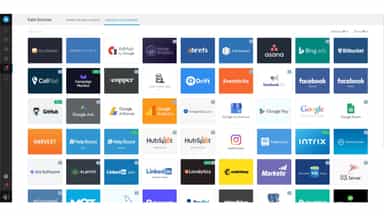
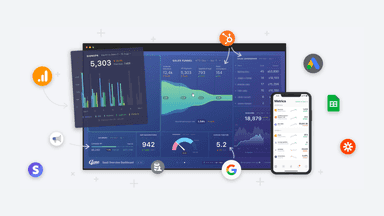
See every featureDatabox is modern Business Intelligence software for teams that need answers now, without the complicated setup, steep price, or long learning curve. It helps growing companies make their data more usable, by making it accessible to their entire team so they can make better decisions, faster.
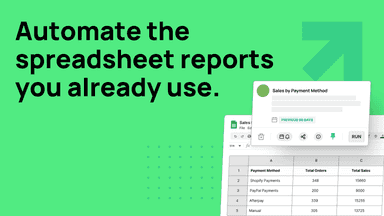
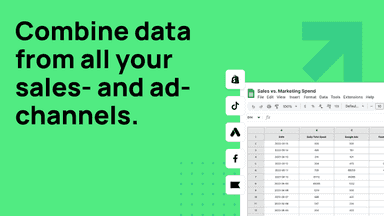
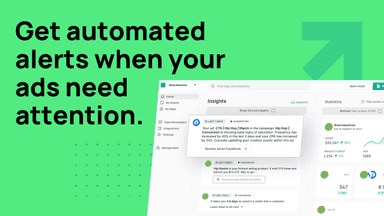
Airboxr provides out-of-the-box sales reports, right within your spreadsheets: it automates the spreadsheet reports and models that revenue leaders already use. The platform connects to Shopify, Amazon, Meta, TikTok, & Google to create automated reports and deliver them into spreadsheets or Looker dashboards. Airboxr AI then tells you what to do.
- Connect your data through any of our one-click integrations.
- Build your own dashboards, no coding required.
- Set measurable goals and track your progress.
- Automate profitability analysis with Shopify, Amazon, and ad channel data.
- Export orders, inventory, fees, and customers from Shopify and Amazon.
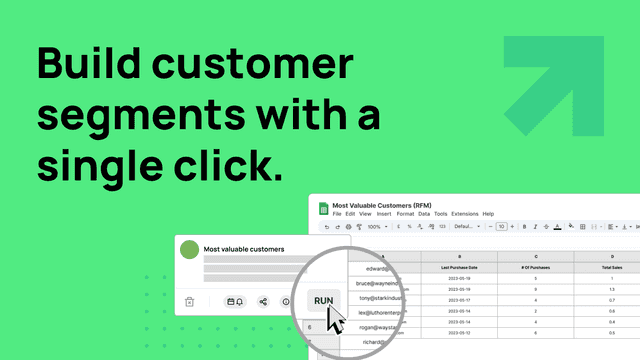
- Build customers segments based on purchase history.
- Get CPA, CAC, LTV, AOV, and MER on your business within a single dashboard.

All the numbers
Every figure, side by side
A green dot marks the app ahead on a measured figure. Estimates, gaps and apps that leave no storefront trace never take the lead.
Adoption
| Measure |  Databox |  Airboxr |
|---|---|---|
| Detected stores | Not published | Not published |
| Net store change, 28 days | 0 | 0 |
| Stores added, 28 days | Not enough data | Not enough data |
| Big-brand share | Not enough data | Not enough data |
| Top store categories | Not published | Not published |
| Top store countries | Not published | Not published |
Reviews
| Measure | Databox | Airboxr |
|---|---|---|
| App Store rating | Not published | 5.0 ★ |
| App Store reviews | Not published | 13 |
| New reviews, 28 days | Not enough data | 0 |
| Reviewers a year or more in | Not enough data | Not enough data |
FAQ
Databox and Airboxr: common questions
- Is Databox or Airboxr cheaper?
- Paid plans start at $199/month for Databox and $49/month for Airboxr. Shoplist compares base prices only between monthly plans in the same currency; usage charges and annual plans vary, so check each plan’s limits.
- What features does each app list that the other doesn’t?
- Databox lists 3 the others don’t mention, such as Benchmarking, GDPR compliance, Heatmaps. Airboxr lists 5 the others don’t mention, such as Data export, Lifetime value (LTV), Loyalty analysis, Segmentation. A feature missing from a listing may still be supported; this compares what each App Store listing says.
- Where does this comparison’s data come from?
- Shoplist crawls Shopify storefronts to detect which apps each store runs, and reads each app’s Shopify App Store listing for reviews, pricing, features and integrations. Store counts are as of Oct 13, 2026; estimated figures are labeled.
How Shoplist compares apps
Store counts come from Shoplist’s crawl of Shopify storefronts, which detects the apps each store runs; they are as of Oct 13, 2026. Reviews, ratings, plans, features and integrations come from each app’s Shopify App Store listing. 28-day figures are labeled when estimated, and a figure that is missing or estimated never decides who leads. Read the methodology.