Clocart vs FeeCatch
Two Shopify apps, side by side: detected stores, momentum, reviews, plans, listed features and who runs each. Store counts as of Oct 27, 2026 for Clocart, Nov 11, 2026 for FeeCatch.
The short answer
- Only Clocart lists a free plan.
- Clocart lists 4 features FeeCatch’s listing doesn’t mention, including Multi-carrier tracking, Shipping labels, Shipping rates.
Head to head

Free
- · Order management and sync
- · Pay-as-you-go shipping
- · Shipping label purchase and printing
Standard
- · Order management and sync
- · Report Download
- · Shipping label purchase and printing
Coverage counts what each App Store listing names. Every feature, checked off app by app, is in Shoplist.
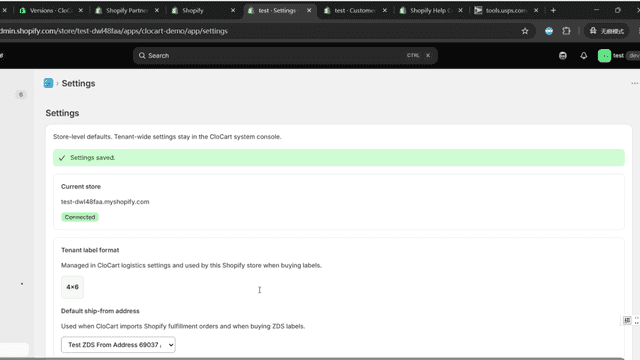
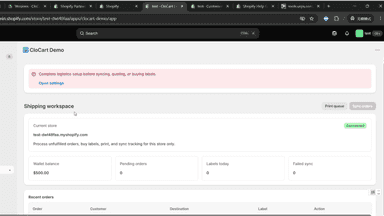
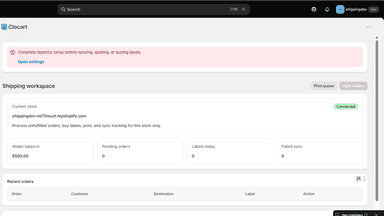
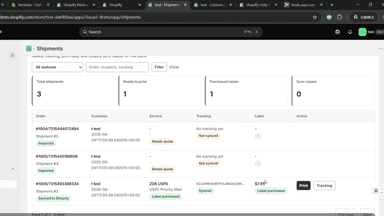
See every featureClocart connects your Shopify store to our trusted logistics network. We help you fulfill orders faster with less manual work. Once installed, the app automatically imports ne Automatically import orders to our logistics platform. Only essential data—shipping address, customer name, and items—is synced for fulfillment. Generate shipping labels in real time. Print multiple labels at once to save time.
FeeCatch reads your 3PL's invoice — PDF, scanned PDF, CSV or Excel — and checks every line against your Shopify orders and your rate card. It flags charges for cancelled or unshipped orders, orders billed twice, wrong units or weights, fees above your agreed rates, storage and minimums that don't match, and late shipments under your SLA.
- Automatically import Shopify orders to our logistics platform.
- Generate shipping labels in real time. Print multiple labels at once.
- All data is secure and never shared.
- Reads PDF, scanned PDF, CSV and Excel invoices from any fulfilment provider
- Matches every billed line to the Shopify order and fulfillment it belongs to
- Compares charges with your rate card, minimums and shipping SLA
- Evidence for each finding, plus a report and claim letter to send your 3PL
All the numbers
Every figure, side by side
A green dot marks the app ahead on a measured figure. Estimates, gaps and apps that leave no storefront trace never take the lead.
Adoption
| Measure |  Clocart | |
|---|---|---|
| Detected stores | Not published | Not published |
| Net store change, 28 days | 0 | 0 |
| Stores added, 28 days | Not enough data | Not enough data |
| Big-brand share | Not enough data | Not enough data |
| Top store categories | Not published | Not published |
| Top store countries | Not published | Not published |
Reviews
| Measure | Clocart | |
|---|---|---|
| App Store rating | Not published | Not published |
| App Store reviews | Not published | Not published |
| New reviews, 28 days | Not enough data | Not enough data |
| Reviewers a year or more in | Not enough data | Not enough data |
FAQ
Clocart and FeeCatch: common questions
- Is Clocart or FeeCatch cheaper?
- Only Clocart lists a free plan. Shoplist compares base prices only between monthly plans in the same currency; usage charges and annual plans vary, so check each plan’s limits.
- What features does each app list that the other doesn’t?
- Clocart lists 4 the others don’t mention, such as Multi-carrier tracking, Shipping labels, Shipping rates, Tracking history. A feature missing from a listing may still be supported; this compares what each App Store listing says.
- Where does this comparison’s data come from?
- Shoplist crawls Shopify storefronts to detect which apps each store runs, and reads each app’s Shopify App Store listing for reviews, pricing, features and integrations. Store counts are as of Oct 27, 2026 for Clocart, Nov 11, 2026 for FeeCatch; estimated figures are labeled.
How Shoplist compares apps
Store counts come from Shoplist’s crawl of Shopify storefronts, which detects the apps each store runs; they are as of Oct 27, 2026 for Clocart, Nov 11, 2026 for FeeCatch. Reviews, ratings, plans, features and integrations come from each app’s Shopify App Store listing. 28-day figures are labeled when estimated, and a figure that is missing or estimated never decides who leads. Read the methodology.