
CaseFlow vs Casewell: B2B Wholesale Orders
Two Shopify apps, side by side: detected stores, momentum, reviews, plans, listed features and who runs each. Store counts as of Oct 13, 2026.
The short answer
- Paid plans start at $29/month for CaseFlow and $45/month for Casewell.
- Casewell lists 4 features CaseFlow’s listing doesn’t mention, including Custom pricing, Customer tagging, Order status.
Head to head


Starter
Growth
Casewell
Coverage counts what each App Store listing names. Every feature, checked off app by app, is in Shoplist.
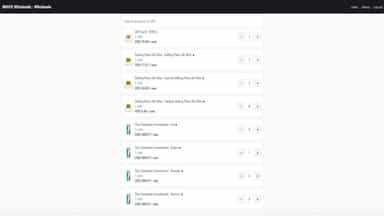
See every featureWholesale merchants often manage orders through email, text, or phone, then manually re-enter them into Shopify - a slow, error-prone process that limits growth. CaseFlow streamlines wholesale ordering with a dedicated buyer portal where customers place orders directly.
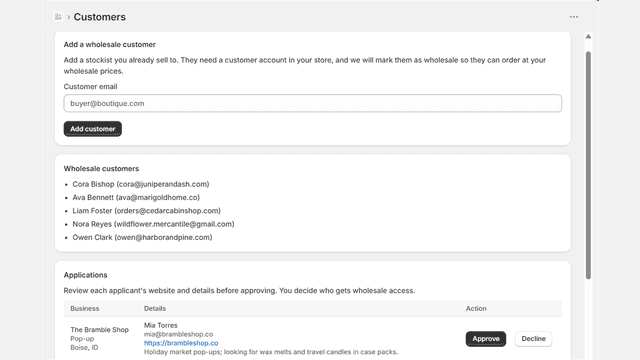
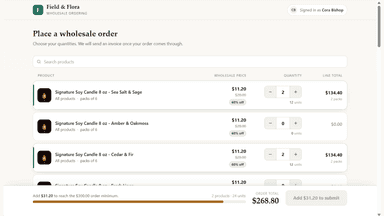
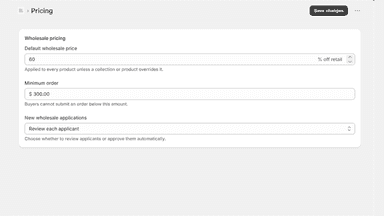
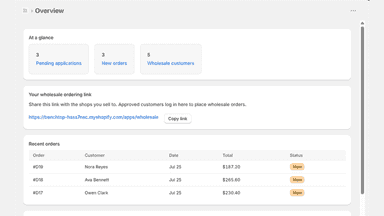
Casewell adds a wholesale ordering channel to your store. Approved buyers apply for access, then log in and order at your wholesale prices, by the pack, with your order minimum enforced. Each order becomes a draft order you invoice in one click, marked paid when the buyer pays. Set your discount, minimums, and pack sizes, and choose which products sell wholesale.
- Wholesale buyers apply, get approved, and log in through a branded portal.
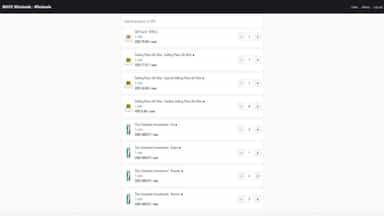
- Buyers browse products and place orders using a quick-order grid by case.
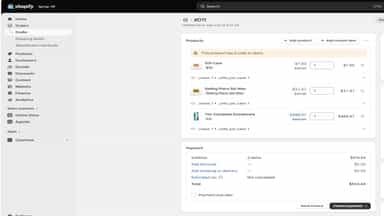
- Orders sync automatically into Shopify as draft orders in your admin account.
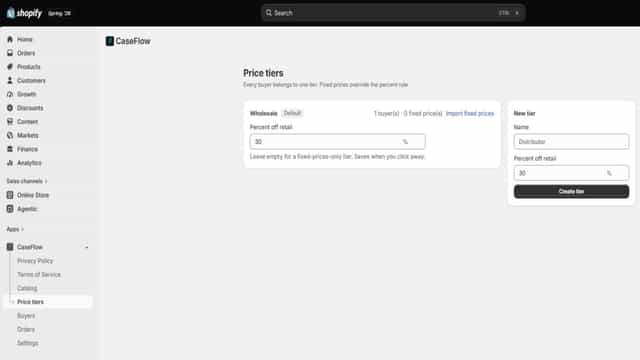
- Set different wholesale prices per buyer using custom tiers.
- A wholesale ordering page where approved buyers order at wholesale, by the pack
- Buyers apply for wholesale access, and you approve who gets in
- Orders arrive ready to invoice in one click, and mark paid when the buyer pays
- Set your wholesale discount, order minimums, and per-product pack sizes
All the numbers
Every figure, side by side
A green dot marks the app ahead on a measured figure. Estimates, gaps and apps that leave no storefront trace never take the lead.
Adoption
| Measure |  CaseFlow |  Casewell |
|---|---|---|
| Detected stores | Not published | Not published |
| Net store change, 28 days | 0 | 0 |
| Stores added, 28 days | Not enough data | Not enough data |
| Big-brand share | Not enough data | Not enough data |
| Top store categories | Not published | Not published |
| Top store countries | Not published | Not published |
Reviews
| Measure | CaseFlow | Casewell |
|---|---|---|
| App Store rating | Not published | Not published |
| App Store reviews | Not published | Not published |
| New reviews, 28 days | Not enough data | Not enough data |
| Reviewers a year or more in | Not enough data | Not enough data |
FAQ
CaseFlow and Casewell: common questions
- Is CaseFlow or Casewell cheaper?
- Paid plans start at $29/month for CaseFlow and $45/month for Casewell. Shoplist compares base prices only between monthly plans in the same currency; usage charges and annual plans vary, so check each plan’s limits.
- What features does each app list that the other doesn’t?
- CaseFlow lists 3 the others don’t mention, such as Import and export, Pricing import, Tiered pricing. Casewell lists 4 the others don’t mention, such as Custom pricing, Customer tagging, Order status, Product visibility. A feature missing from a listing may still be supported; this compares what each App Store listing says.
- Where does this comparison’s data come from?
- Shoplist crawls Shopify storefronts to detect which apps each store runs, and reads each app’s Shopify App Store listing for reviews, pricing, features and integrations. Store counts are as of Oct 13, 2026; estimated figures are labeled.
How Shoplist compares apps
Store counts come from Shoplist’s crawl of Shopify storefronts, which detects the apps each store runs; they are as of Oct 13, 2026. Reviews, ratings, plans, features and integrations come from each app’s Shopify App Store listing. 28-day figures are labeled when estimated, and a figure that is missing or estimated never decides who leads. Read the methodology.