

carty vs Pharo: Google Ads Remarketing
Two Shopify apps, side by side: detected stores, momentum, reviews, plans, listed features and who runs each. Store counts as of Feb 19, 2026 for carty, Sep 17, 2026 for Pharo.
The short answer
- Pharo lists 5 features carty’s listing doesn’t mention, including Behavior, Conversion tracking, Event-based.
Head to head


Momentum
New reviews each month
Review pace is the clearest public read on how fast an app is winning new merchants.
Coverage counts what each App Store listing names. Every feature, checked off app by app, is in Shoplist.
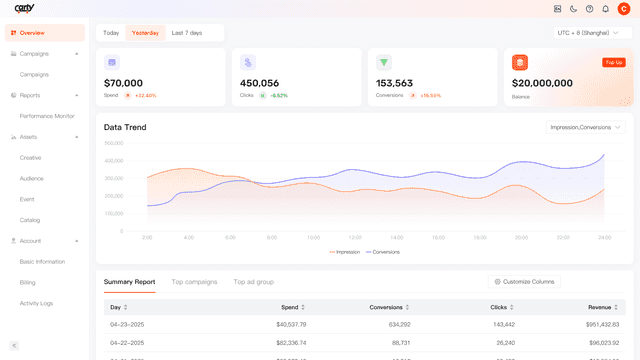
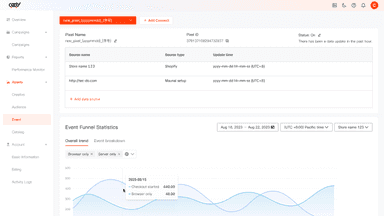
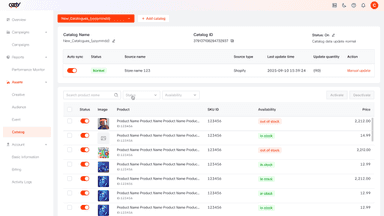
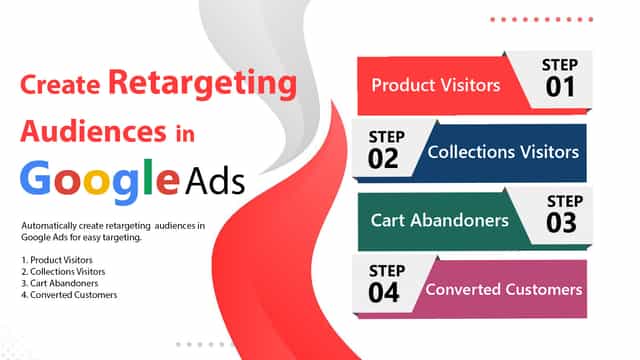
See every featureConnecting your Shopify store to Carty Ads Manager takes just a few clicks, with zero coding involved. This application handles pixel installation and product catalog generation automatically, reducing errors and guaranteeing precise data synchronization. Even if you lack technical expertise, you can swiftly roll out Dynamic Product Ads that leverage real-time Shopify data.
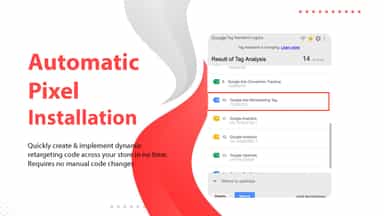
Installing Google Ads Dynamic Retargeting Tag manually can often lead to unexpected errors and headaches. Google frequently updates its code, making manual maintenance a challenging task. Editing theme files requires technical expertise, which can be a barrier for many users. Pharo Retargeting Pixel App for Google Ads simplifies this process with a one-click installation of Google's retargeting code.
- Import your product catalogs to effortlessly set up Dynamic Product Ads
- Use Pixel to establish event tracking and enhance your ad campaigns
- Precisely track checkouts to gain insights into campaign effectiveness
- Install Google ads remarketing tags
- Install the Google ads Dynamic remarketing conversion pixel in one click.
- No technical background required - No code change or theme file edits.
- Our solution integrates seamlessly with Checkout extensibility


All the numbers
Every figure, side by side
A green dot marks the app ahead on a measured figure. Estimates, gaps and apps that leave no storefront trace never take the lead.
Adoption
| Measure |  carty |  Pharo |
|---|---|---|
| Detected stores | Not published | Not published |
| Net store change, 28 days | 0 | 0 |
| Stores added, 28 days | Not enough data | Not enough data |
| Big-brand share | Not enough data | Not enough data |
| Top store categories | Not published | Not published |
| Top store countries | Not published | Not published |
Reviews
| Measure | carty | Pharo |
|---|---|---|
| App Store rating | Not published | 5.0 ★ |
| App Store reviews | Not published | 7 |
| New reviews, 28 days | Not enough data | 0 |
| Reviewers a year or more in | Not enough data | Not enough data |
FAQ
carty and Pharo: common questions
- What features does each app list that the other doesn’t?
- Pharo lists 5 the others don’t mention, such as Behavior, Conversion tracking, Event-based, Impression counts. A feature missing from a listing may still be supported; this compares what each App Store listing says.
- Where does this comparison’s data come from?
- Shoplist crawls Shopify storefronts to detect which apps each store runs, and reads each app’s Shopify App Store listing for reviews, pricing, features and integrations. Store counts are as of Feb 19, 2026 for carty, Sep 17, 2026 for Pharo; estimated figures are labeled.
How Shoplist compares apps
Store counts come from Shoplist’s crawl of Shopify storefronts, which detects the apps each store runs; they are as of Feb 19, 2026 for carty, Sep 17, 2026 for Pharo. Reviews, ratings, plans, features and integrations come from each app’s Shopify App Store listing. 28-day figures are labeled when estimated, and a figure that is missing or estimated never decides who leads. Read the methodology.