

CartBoost AI vs Sumtive
Two Shopify apps, side by side: detected stores, momentum, reviews, plans, listed features and who runs each. Store counts as of Oct 14, 2026.
The short answer
- Only CartBoost AI lists a free plan.
- CartBoost AI lists 10 features Sumtive’s listing doesn’t mention, including A/B testing, APIs and webhooks, Campaigns.
Head to head


Momentum
New reviews each month
Review pace is the clearest public read on how fast an app is winning new merchants.
Starter Plan
- · Basic customization
- · One progress goal
Basic Plan
- · Basic performance tracking
- · Email support
- · Mobile & desktop support
- · More spacing, Smoot edge styling
- · One progress goal
Pro Plan
- · A/B Testing tools
- · Advanced customization
- · Full analytics dashboard
- · Priority email support
- · Up to 4 progress goals
- · Upsell widget
Advanced
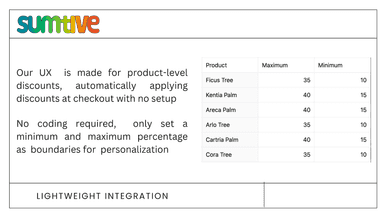
- · - Embeded discounts personalization
- · - Personalize discounts through chatbot
Basic
- · - Obtain insights from new shoppers
- · - Sell through our chatbot website
- · - Target relevant shoppers from chatbot
Coverage counts what each App Store listing names. Every feature, checked off app by app, is in Shoplist.
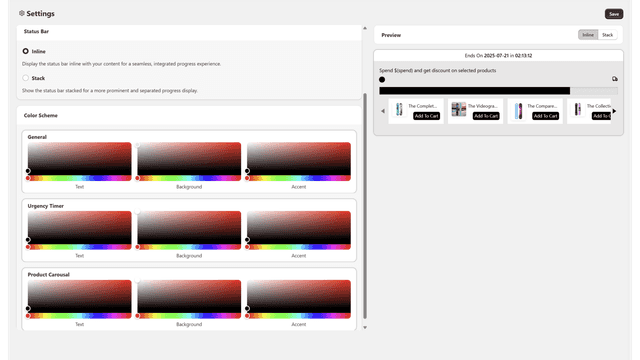
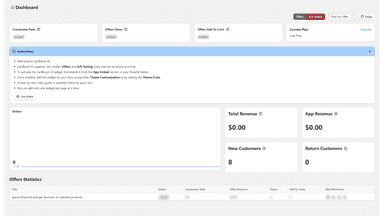
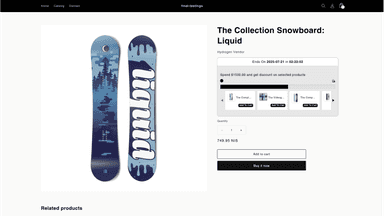
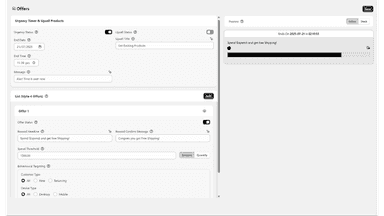
See every featureCartBoost AI helps you create personalized shopping experiences with smart upsells, product rewards, and conversion-focused tools. Engage customers using targeted popups, limited-time countdowns, and custom gift incentives based on cart activity. Easily manage offers, rewards, and display logic from a simple dashboard.
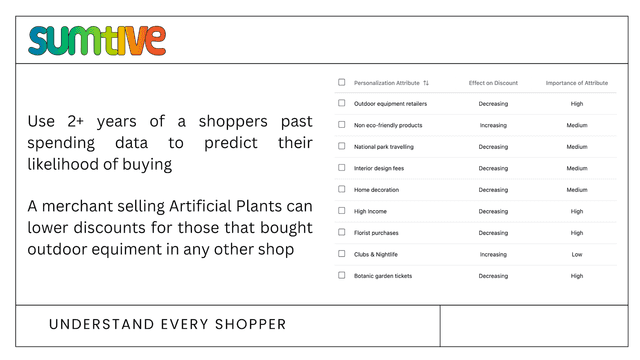
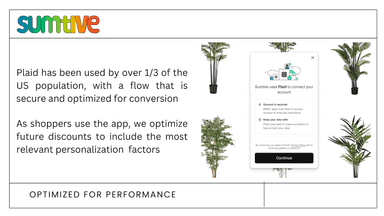
Attract traffic from thousands of users that shop through our AI shopping assistant. We partner with Google, Plaid, TikTok and Pinterest to access shoppers' data and help you understand what type of profiles are likely buyers. Our data helps you connect with relevant buyers from our user base and offer targeted discounts. We can also embed inside your store for dynamic discount personalization.
- Generate tailored reward and upsell headlines instantly using AI.
- Deliver personalized rewards based on cart behavior and product interaction.
- Easily change behavior, styling, and conditions, all from the dashboard.
- Understand better your shops' consumer landscape
- Boost conversions for less engaged consumer profiles
- Minimise reliance on mass sales that reduce margins
All the numbers
Every figure, side by side
A green dot marks the app ahead on a measured figure. Estimates, gaps and apps that leave no storefront trace never take the lead.
Adoption
| Measure |  CartBoost AI |  Sumtive |
|---|---|---|
| Detected stores | Not published | Not published |
| Net store change, 28 days | 0 | 0 |
| Stores added, 28 days | Not enough data | Not enough data |
| Big-brand share | Not enough data | Not enough data |
| Top store categories | Not published | Not published |
| Top store countries | Not published | Not published |
Reviews
| Measure | CartBoost AI | Sumtive |
|---|---|---|
| App Store rating | 5.0 ★ | Not published |
| App Store reviews | 1 | Not published |
| New reviews, 28 days | Not enough data | Not enough data |
| Reviewers a year or more in | Not enough data | Not enough data |
Pricing
| Measure | CartBoost AI | Sumtive |
|---|---|---|
| Free plan | Yes | Not listed |
| Lowest paid monthly plan | $5/month | No monthly plan listed |
| Longest free trial | Not listed | Not listed |
| Plans listed | 3 | 2 |
Listing
| Measure | CartBoost AI | Sumtive |
|---|---|---|
| Shopify category rank | #724(ahead) | #924 |
| Shopify App Charts | Not on this week’s charts | Not on this week’s charts |
| Built for Shopify | No | No |
| Launched | Jul 28, 2025 | Jul 1, 2024 |
| Languages | 2 | 1 |
| Developer | Boost | Sumtive |
FAQ
CartBoost AI and Sumtive: common questions
- Is CartBoost AI or Sumtive cheaper?
- Only CartBoost AI lists a free plan. Shoplist compares base prices only between monthly plans in the same currency; usage charges and annual plans vary, so check each plan’s limits.
- What features does each app list that the other doesn’t?
- CartBoost AI lists 10 the others don’t mention, such as A/B testing, APIs and webhooks, Campaigns, Cart discounts. Sumtive lists 3 the others don’t mention, such as Custom code, Dynamic pricing, Segmentation. A feature missing from a listing may still be supported; this compares what each App Store listing says.
- Where does this comparison’s data come from?
- Shoplist crawls Shopify storefronts to detect which apps each store runs, and reads each app’s Shopify App Store listing for reviews, pricing, features and integrations. Store counts are as of Oct 14, 2026; estimated figures are labeled.
How Shoplist compares apps
Store counts come from Shoplist’s crawl of Shopify storefronts, which detects the apps each store runs; they are as of Oct 14, 2026. Reviews, ratings, plans, features and integrations come from each app’s Shopify App Store listing. 28-day figures are labeled when estimated, and a figure that is missing or estimated never decides who leads. Read the methodology.