
Calendify vs Zalify: AI Ads, Pages & ROAS
Two Shopify apps, side by side: detected stores, momentum, reviews, plans, listed features and who runs each. Store counts as of Oct 13, 2026 for Calendify, Nov 7, 2026 for Zalify.
The short answer
- Zalify lists 16 features Calendify’s listing doesn’t mention, including Ad spend, Automated workflows, Behavior.
Head to head


Your guide into the world of holiday marketing


- China
- United States
- Hong Kong
Momentum
New reviews each month
Review pace is the clearest public read on how fast an app is winning new merchants.
Free
Starter
- · $29 of usage included every month
- · 1 seat
- · AI ad images & videos from your products
- · Ad landing pages, built in minutes
- · Covers ~580 orders or 14,500 emails
- · Free trial includes $2 of usage
Growth
- · $99 of usage included every month
- · 3 seats
- · AI ad images & videos from your products
- · Ad landing pages, built in minutes
- · Covers ~1,980 orders or 49,500 emails
- · Free trial includes $2 of usage
Scale
- · $249 of usage included every month
- · 10 seats
- · AI ad images & videos from your products
- · Ad landing pages, built in minutes
- · Covers ~4,980 orders or 124,500 emails
- · Free trial includes $2 of usage
Coverage counts what each App Store listing names. Every feature, checked off app by app, is in Shoplist.
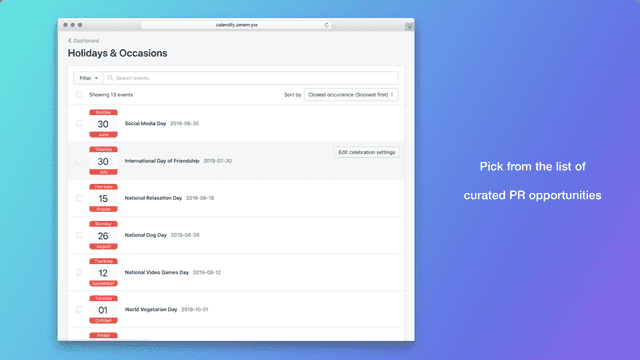
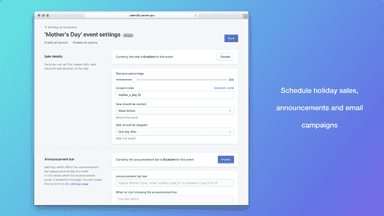
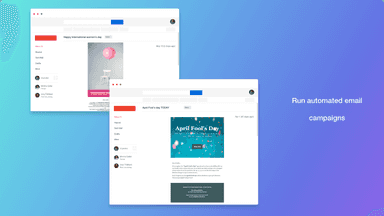
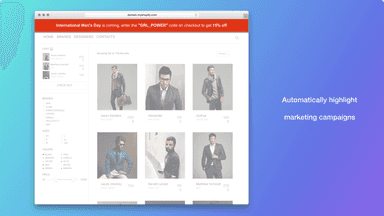
See every featureCalendify makes holiday marketing easy for you! With help of our specialized marketing tools: email campaigns, announcement bars, and scheduled sales merchants can effectively reach their audience on their favorite occasions.
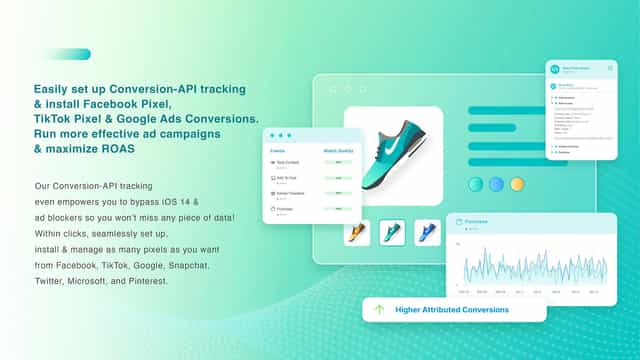
Make ads and prove they work. Turn any product into on-brand ad images and videos with leading AI models, build a landing page that matches the ad in minutes, and see true ROAS with server-side pixels and multi-touch attribution across Meta, Google and TikTok. Popups, forms and email flows are included to convert the traffic you pay for.
- Calendar of holiday occasions
- Marketing tools to reach your customers
- Automated marketing campaigns - setup once, run whenever and as much as you like
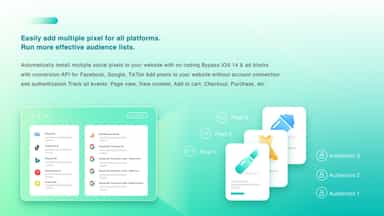
- Seamless browser and server-side pixel tracking to collect customer events
- Combined traffic, products and sales data into one report
- Recover abandoned carts and checkouts with automated emails flow
- Create personalized popup, form and email campaigns with drag-and-drop editor



All the numbers
Every figure, side by side
A green dot marks the app ahead on a measured figure. Estimates, gaps and apps that leave no storefront trace never take the lead.
Adoption
| Measure |  Calendify |  Zalify |
|---|---|---|
| Detected stores | Not published | 587 |
| Net store change, 28 days | 0 | +1 |
| Stores added, 28 days | Not enough data | 1 |
| Big-brand share | Not enough data | 8% |
| Top store categories | Not published | Apparel & Accessories, Home & Garden, Electronics |
| Top store countries | Not published | China, United States, Hong Kong |
Reviews
| Measure | Calendify | Zalify |
|---|---|---|
| App Store rating | Not published | 4.2 ★ |
| App Store reviews | Not published | 71 |
| New reviews, 28 days | Not enough data | 0 |
| Reviewers a year or more in | Not enough data | Not enough data |
FAQ
Calendify and Zalify: common questions
- What features does each app list that the other doesn’t?
- Zalify lists 16 the others don’t mention, such as Ad spend, Automated workflows, Behavior, Behavior tracking. A feature missing from a listing may still be supported; this compares what each App Store listing says.
- Where does this comparison’s data come from?
- Shoplist crawls Shopify storefronts to detect which apps each store runs, and reads each app’s Shopify App Store listing for reviews, pricing, features and integrations. Store counts are as of Oct 13, 2026 for Calendify, Nov 7, 2026 for Zalify; estimated figures are labeled.
How Shoplist compares apps
Store counts come from Shoplist’s crawl of Shopify storefronts, which detects the apps each store runs; they are as of Oct 13, 2026 for Calendify, Nov 7, 2026 for Zalify. Reviews, ratings, plans, features and integrations come from each app’s Shopify App Store listing. 28-day figures are labeled when estimated, and a figure that is missing or estimated never decides who leads. Read the methodology.