
BryteOps Integration vs StoreOps ‑ Operations Platform
Two Shopify apps, side by side: detected stores, momentum, reviews, plans, listed features and who runs each. Store counts as of May 7, 2026 for BryteOps Integration, Oct 13, 2026 for StoreOps.
The short answer
Head to head


Ops Essentials
- · Compliance & Legal Document Tracking
- · Finance & Expense Tracking System
- · Marketing Campaign Management Tools
- · Multi-Store Management System
- · Reports & Analytics Dashboard System
- · Task & Project Management Platform
Coverage counts what each App Store listing names. Every feature, checked off app by app, is in Shoplist.
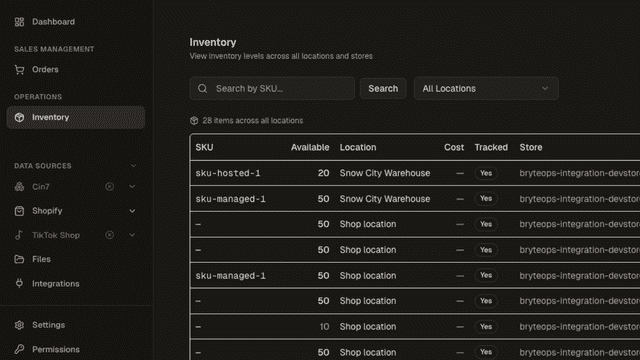
See every featureBryteOps Integration allows near-real time analytics and services and In Stock rate at retailers and online. Sustain retail performance, protect shelf space, and drive growth by continuously closing the loop between planning, execution, and performance.
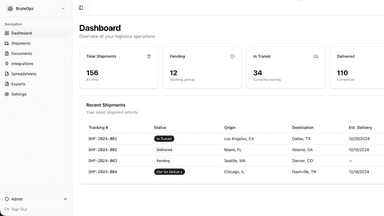
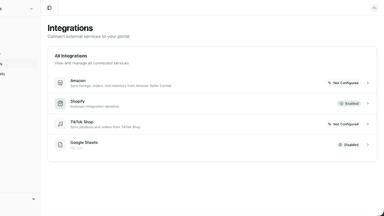
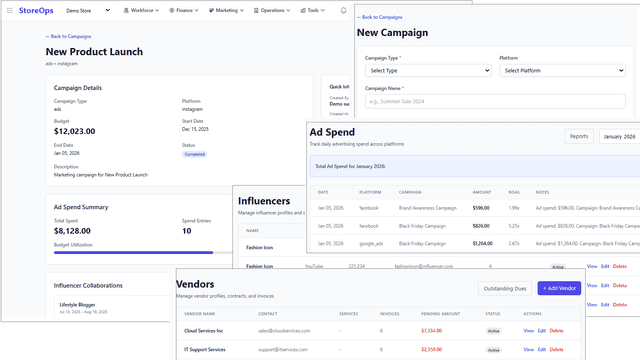
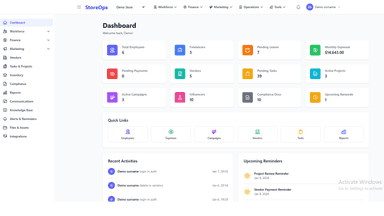
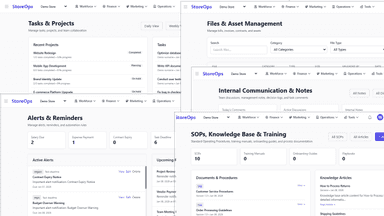
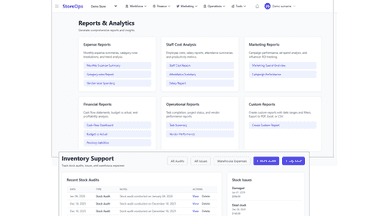
StoreOps centralizes all non-store operations in one unified platform. It helps merchants manage workforce, finance, marketing, vendors, tasks, inventory support, compliance, files, and internal communications without relying on spreadsheets or disconnected tools.
- Sales and Operations Planning
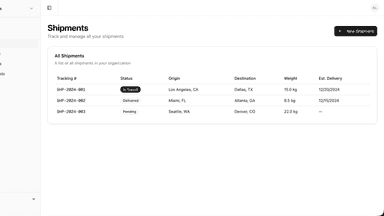
- Logistics and Delivery
- Retailer Onboarding and Management
- Workforce management with attendance, payroll, and performance tracking
- Expense, budget, and cash flow tracking with approval workflows
- Centralized vendor, influencers, contract, and invoice management
- Tasks, influencers, and team collaboration with progress tracking
All the numbers
Every figure, side by side
A green dot marks the app ahead on a measured figure. Estimates, gaps and apps that leave no storefront trace never take the lead.
Adoption
| Measure |  BryteOps Integration |  StoreOps |
|---|---|---|
| Detected stores | Not published | Not published |
| Net store change, 28 days | 0 | 0 |
| Stores added, 28 days | Not enough data | Not enough data |
| Big-brand share | Not enough data | Not enough data |
| Top store categories | Not published | Not published |
| Top store countries | Not published | Not published |
Reviews
| Measure | BryteOps Integration | StoreOps |
|---|---|---|
| App Store rating | Not published | Not published |
| App Store reviews | Not published | Not published |
| New reviews, 28 days | Not enough data | Not enough data |
| Reviewers a year or more in | Not enough data | Not enough data |
Pricing
| Measure | BryteOps Integration | StoreOps |
|---|---|---|
| Free plan | Not listed | Not listed |
| Lowest paid monthly plan | No monthly plan listed | $19/month |
| Longest free trial | Not listed | 7 days |
| Plans listed | Not published | 1 |
Listing
| Measure | BryteOps Integration | StoreOps |
|---|---|---|
| Shopify category rank | #117(ahead) | #189 |
| Shopify App Charts | Not on this week’s charts | Not on this week’s charts |
| Built for Shopify | No | No |
| Launched | May 7, 2026 | Mar 2, 2026 |
| Languages | 1 | 1 |
| Developer | BryteOps | shopperkits |
FAQ
BryteOps Integration and StoreOps: common questions
- Where does this comparison’s data come from?
- Shoplist crawls Shopify storefronts to detect which apps each store runs, and reads each app’s Shopify App Store listing for reviews, pricing, features and integrations. Store counts are as of May 7, 2026 for BryteOps Integration, Oct 13, 2026 for StoreOps; estimated figures are labeled.
How Shoplist compares apps
Store counts come from Shoplist’s crawl of Shopify storefronts, which detects the apps each store runs; they are as of May 7, 2026 for BryteOps Integration, Oct 13, 2026 for StoreOps. Reviews, ratings, plans, features and integrations come from each app’s Shopify App Store listing. 28-day figures are labeled when estimated, and a figure that is missing or estimated never decides who leads. Read the methodology.