

BookPod vs HyperZone: Dropshipping&POD
Two Shopify apps, side by side: detected stores, momentum, reviews, plans, listed features and who runs each. Store counts as of Aug 4, 2026 for BookPod, Nov 6, 2026 for HyperZone.
The short answer
- HyperZone lists 12 features BookPod’s listing doesn’t mention, including Baby products, Bags and luggage, China.
Head to head


Momentum
New reviews each month
Review pace is the clearest public read on how fast an app is winning new merchants.
Free
Free to Install
- · Automated order fulfillment
- · Automatic tracking sync
- · Bulk order processing
- · Custom packaging and branding
- · Dedicated customer support
- · Global warehouse fulfillment
Coverage counts what each App Store listing names. Every feature, checked off app by app, is in Shoplist.
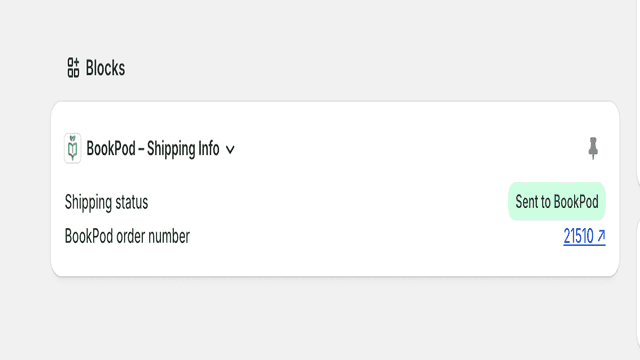
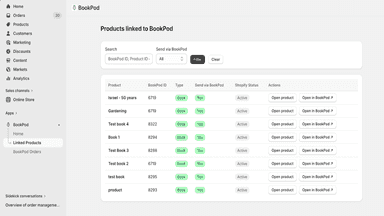
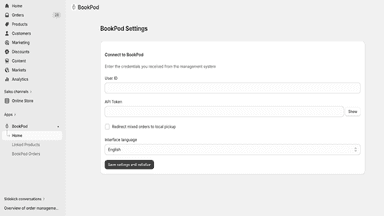
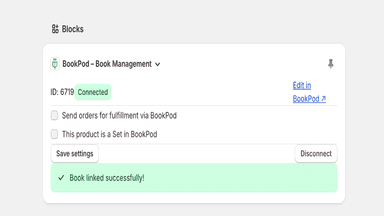
See every featureBookPod automates print-on-demand book fulfillment for Israeli Shopify publishers. Mark which products are books, and every paid order is sent to BookPod within seconds. The admin auto-detects Hebrew (RTL) or English. Book IDs and order status are stored as Shopify metafields. The app adds a "BookPod – Home Delivery" shipping rate for Israel, and mixed orders are handled with configurable rules.
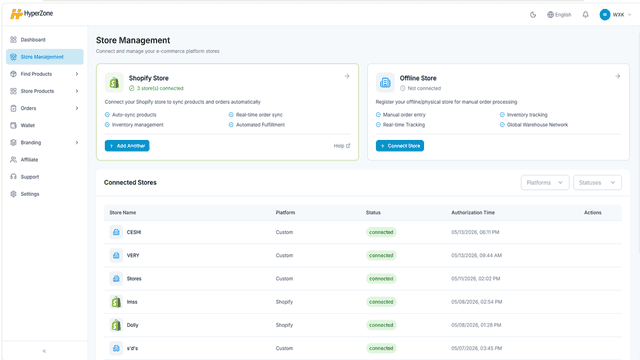
HyperZone helps Shopify merchants source products, manage dropshipping and print-on-demand orders, and coordinate fulfillment from one workspace. Connect your store to import products, submit sourcing requests, sync orders, monitor fulfillment status, and receive tracking updates. You can also request branded packaging and product customization for supported items.
- Send paid book orders to BookPod for automatic printing and shipping.
- Link Shopify products to BookPod with one-click metafield setup.
- Hebrew and English admin UI that auto-adapts to your Shopify language.
- Track BookPod order status and errors directly from the Shopify admin.
- One-click product sourcing & guided store setup
- Branding & packaging customization, POD support
- 5+ global warehouses, 5–12 day delivery
- 24/7 dedicated customer support team

All the numbers
Every figure, side by side
A green dot marks the app ahead on a measured figure. Estimates, gaps and apps that leave no storefront trace never take the lead.
Adoption
| Measure |  BookPod |  HyperZone |
|---|---|---|
| Detected stores | Not published | Not published |
| Net store change, 28 days | 0 | 0 |
| Stores added, 28 days | Not enough data | Not enough data |
| Big-brand share | Not enough data | Not enough data |
| Top store categories | Not published | Not published |
| Top store countries | Not published | Not published |
Reviews
| Measure | BookPod | HyperZone |
|---|---|---|
| App Store rating | Not published | 4.8 ★ |
| App Store reviews | Not published | 24 |
| New reviews, 28 days | Not enough data | Not enough data |
| Reviewers a year or more in | Not enough data | 0% |
FAQ
BookPod and HyperZone: common questions
- What features does each app list that the other doesn’t?
- BookPod lists 1 the others don’t mention, such as Israel. HyperZone lists 12 the others don’t mention, such as Baby products, Bags and luggage, China, Clothing and accessories. A feature missing from a listing may still be supported; this compares what each App Store listing says.
- Where does this comparison’s data come from?
- Shoplist crawls Shopify storefronts to detect which apps each store runs, and reads each app’s Shopify App Store listing for reviews, pricing, features and integrations. Store counts are as of Aug 4, 2026 for BookPod, Nov 6, 2026 for HyperZone; estimated figures are labeled.
How Shoplist compares apps
Store counts come from Shoplist’s crawl of Shopify storefronts, which detects the apps each store runs; they are as of Aug 4, 2026 for BookPod, Nov 6, 2026 for HyperZone. Reviews, ratings, plans, features and integrations come from each app’s Shopify App Store listing. 28-day figures are labeled when estimated, and a figure that is missing or estimated never decides who leads. Read the methodology.