

blstr: TCG Inventory Platform vs Lace
Two Shopify apps, side by side: detected stores, momentum, reviews, plans, listed features and who runs each. Store counts as of Oct 13, 2026 for blstr, Oct 21, 2026 for Lace.
The short answer
Head to head


Core + Shopify
- · Barcode labels for POS scanning
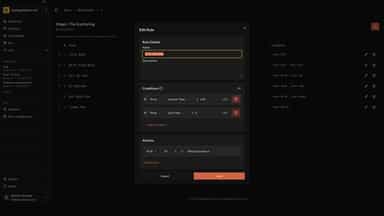
- · Buy and sell pricing rules
- · Card intake and inventory
- · Shopify product and quantity sync
Free to install
- · 14-day free trial
- · Barcode labels and scanning
- · Live StockX and TCGplayer pricing
- · Website, POS and kiosk in sync
Coverage counts what each App Store listing names. Every feature, checked off app by app, is in Shoplist.
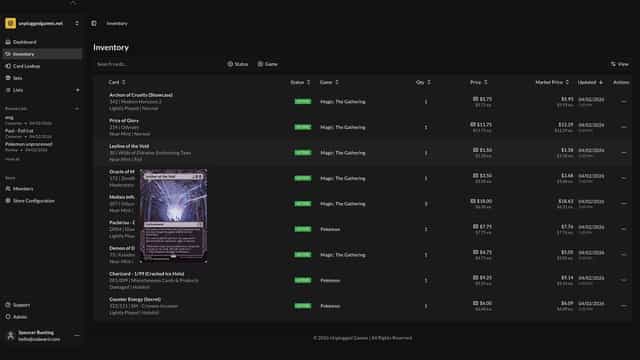
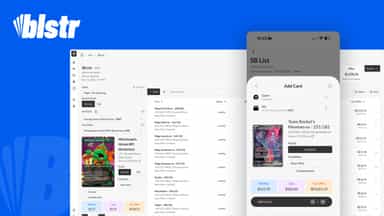
See every featureblstr brings buying, pricing, inventory, and selling into one workflow for card shops and TCG vendors. Build customer buylists, apply buy and sell rules by game, card value, and condition, and track quantities in one inventory. The Shopify connection creates products from blstr inventory and keeps card details and available quantities in sync with your store.
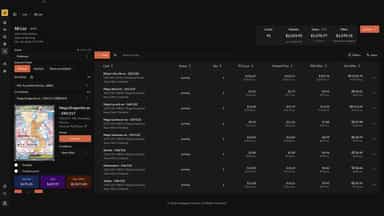
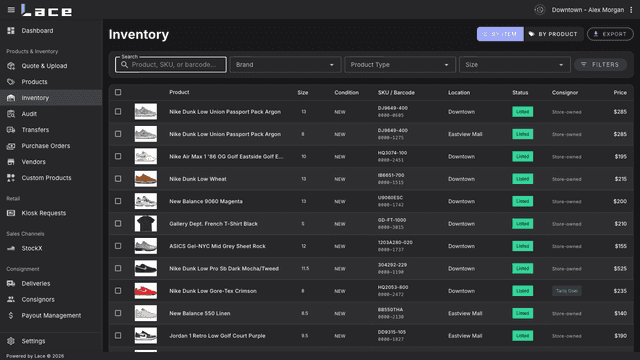
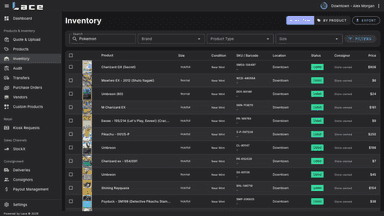
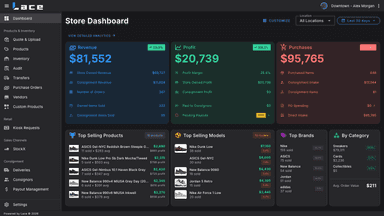
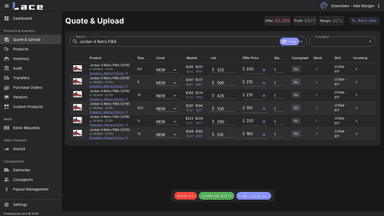
Lace runs the back of house for sneaker, streetwear and trading card stores. Look up any item, scan it in, and Lace creates the Shopify product, prints a barcode label and lists it. Pricing rules reprice your inventory from live market data, including bids, asks and recent sales, so nothing sits priced from last month.
- Sync inventory from Blstr to your store in real time
- Manage customer buy lists with real-time TCGplayer market data
- Automatically create products in your store from Blstr inventory
- Push updated quantities and card details to your store
- Reprice sneakers and trading cards automatically from live market data
- Scan items in with barcodes and print labels with QR codes in seconds
- Keep website and Shopify POS stock in sync across all your locations
- Show shoppers how many of each size every one of your stores has
All the numbers
Every figure, side by side
A green dot marks the app ahead on a measured figure. Estimates, gaps and apps that leave no storefront trace never take the lead.
Adoption
| Measure |  blstr |  Lace |
|---|---|---|
| Detected stores | Not published | Not published |
| Net store change, 28 days | 0 | 0 |
| Stores added, 28 days | Not enough data | Not enough data |
| Big-brand share | Not enough data | Not enough data |
| Top store categories | Not published | Not published |
| Top store countries | Not published | Not published |
Reviews
| Measure | blstr | Lace |
|---|---|---|
| App Store rating | Not published | Not published |
| App Store reviews | Not published | Not published |
| New reviews, 28 days | Not enough data | Not enough data |
| Reviewers a year or more in | Not enough data | Not enough data |
FAQ
blstr and Lace: common questions
- Where does this comparison’s data come from?
- Shoplist crawls Shopify storefronts to detect which apps each store runs, and reads each app’s Shopify App Store listing for reviews, pricing, features and integrations. Store counts are as of Oct 13, 2026 for blstr, Oct 21, 2026 for Lace; estimated figures are labeled.
How Shoplist compares apps
Store counts come from Shoplist’s crawl of Shopify storefronts, which detects the apps each store runs; they are as of Oct 13, 2026 for blstr, Oct 21, 2026 for Lace. Reviews, ratings, plans, features and integrations come from each app’s Shopify App Store listing. 28-day figures are labeled when estimated, and a figure that is missing or estimated never decides who leads. Read the methodology.