
Bloom: Delivery Date & Pickups vs Pikkoló
Two Shopify apps, side by side: detected stores, momentum, reviews, plans, listed features and who runs each. Store counts as of Nov 7, 2026 for Bloom, Feb 19, 2026 for Pikkoló.
The short answer
- Bloom lists 8 features Pikkoló’s listing doesn’t mention, including Block dates, Cutoff times, Date picker.
Head to head


Date Picker | Order Limit & Cut Off | Time Slot Generator


- Australia
- Canada
- United Kingdom
Momentum
New reviews each month
Review pace is the clearest public read on how fast an app is winning new merchants.
All Inclusive
- · All features included
- · Custom styling
- · Google Calendar sync
- · Localization support
- · Unlimited orders
- · Unlimited usage
Coverage counts what each App Store listing names. Every feature, checked off app by app, is in Shoplist.
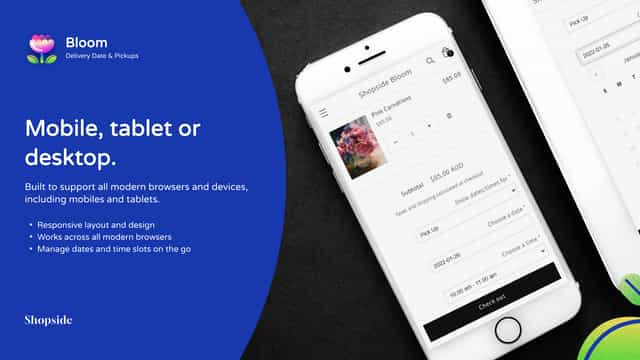
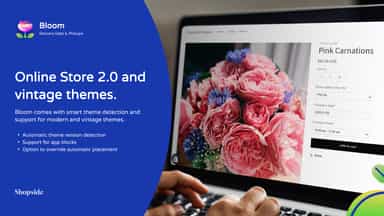
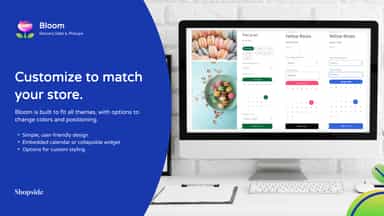
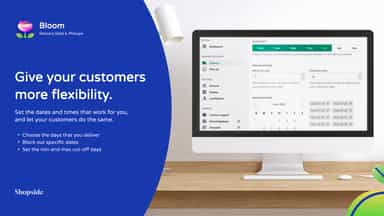
See every featureBloom improves your store's operational efficiency by simplifying your in-store pick-up and local delivery management. Select the days of the week you are available for in-store pickups and local delivery, configure block out dates, generate and manage timeslots, define cut-off and prep times, plus much more.
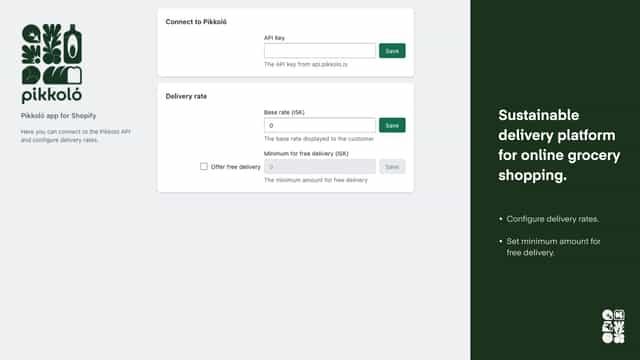
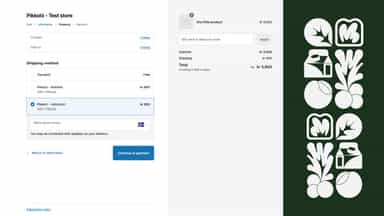
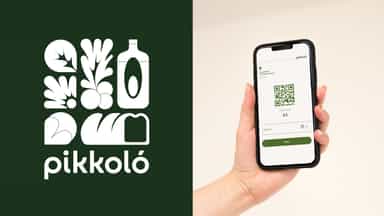
The app connects your shop with the Pikkoló delivery system. Your customer can choose to have your products delivered to a nearby Pikkoló station. The app adds metafields to your products where you can specify if a product is age restricted or if it is to be delivered frozen.
- Manage your delivery dates, set cut-off times, prep times, block-out dates
- Generate 15/30/60 minute time slots for pickups, with optional order limits
- Define product-level overrides to adjust prep time and other settings
- Complete localization support - translate every label and message displayed
- Customers can choose to get products delivered to a Pikkoló station
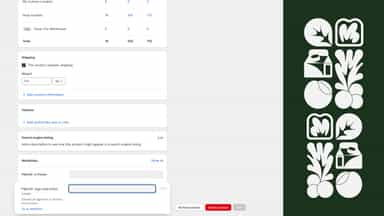
- Specify if a product is age restricted. For example when selling alcohol
- Specify if a product is to be delivered refrigerated or frozen
- Configure the delivery rate you would like to charge your customers
All the numbers
Every figure, side by side
A green dot marks the app ahead on a measured figure. Estimates, gaps and apps that leave no storefront trace never take the lead.
Adoption
| Measure |  Bloom |  Pikkoló |
|---|---|---|
| Detected stores | 16 | Not published |
| Net store change, 28 days | 0 | 0 |
| Stores added, 28 days | Not enough data | Not enough data |
| Big-brand share | Not enough data | Not enough data |
| Top store categories | Home & Garden, Food, Beverages & Tobacco, Arts & Entertainment | Not published |
| Top store countries | Australia, Canada, United Kingdom | Not published |
Reviews
| Measure | Bloom | Pikkoló |
|---|---|---|
| App Store rating | 5.0 ★ | Not published |
| App Store reviews | 22 | Not published |
| New reviews, 28 days | 0 | Not enough data |
| Reviewers a year or more in | Not enough data | Not enough data |
FAQ
Bloom and Pikkoló: common questions
- What features does each app list that the other doesn’t?
- Bloom lists 8 the others don’t mention, such as Block dates, Cutoff times, Date picker, Order limits. A feature missing from a listing may still be supported; this compares what each App Store listing says.
- Where does this comparison’s data come from?
- Shoplist crawls Shopify storefronts to detect which apps each store runs, and reads each app’s Shopify App Store listing for reviews, pricing, features and integrations. Store counts are as of Nov 7, 2026 for Bloom, Feb 19, 2026 for Pikkoló; estimated figures are labeled.
How Shoplist compares apps
Store counts come from Shoplist’s crawl of Shopify storefronts, which detects the apps each store runs; they are as of Nov 7, 2026 for Bloom, Feb 19, 2026 for Pikkoló. Reviews, ratings, plans, features and integrations come from each app’s Shopify App Store listing. 28-day figures are labeled when estimated, and a figure that is missing or estimated never decides who leads. Read the methodology.