

AutoBlog: AI SEO Blog Agent vs UPAI
Two Shopify apps, side by side: detected stores, momentum, reviews, plans, listed features and who runs each. Store counts as of Oct 13, 2026.
The short answer
- Only AutoBlog lists a free plan. Paid plans start at $19/month for AutoBlog and $89/month for UPAI.
- AutoBlog lists 7 features UPAI’s listing doesn’t mention, including Automations, Content optimization, Insights and tips.
Head to head


Free
- · 10 AI architecture refinements
- · 5 blog architecture expansions
- · 5 custom keyword topics
- · 7 SEO blog articles per month
Starter
- · 100 AI architecture refinements
- · 20 blog architecture expansions
- · 30 SEO blog articles per month
- · 40 custom keyword topics
- · Auto-publish scheduling
- · GA4 & Search Console analytics
Growth
- · 100 SEO blog articles per month
- · 120 custom keyword topics
- · 300 AI architecture refinements
- · 60 blog architecture expansions
- · Auto-publish scheduling
- · GA4 & Search Console analytics
Pro
- · 1,000 AI architecture refinements
- · 200 blog architecture expansions
- · 400 SEO blog articles per month
- · 400 custom keyword topics
- · Auto-publish + priority support
- · GA4 & Search Console analytics
Monthly Plan
Coverage counts what each App Store listing names. Every feature, checked off app by app, is in Shoplist.
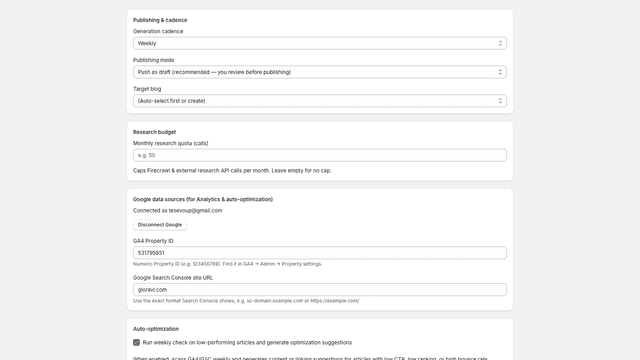
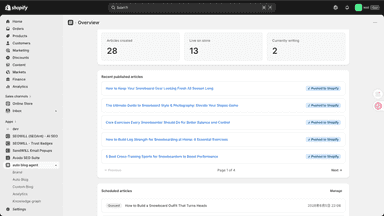
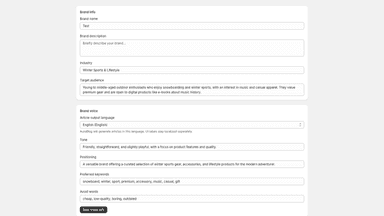
See every featureAutoBlog studies your store, then proposes a complete SEO blog architecture — clusters of pillar + supporting articles built for Google's topical authority. Tick the topics you want. AutoBlog writes drafts with internal links, cover images, and JSON-LD structured data, then pushes them to your Shopify blog as drafts (auto-publish is opt-in). GA4 + Search Console built-in.
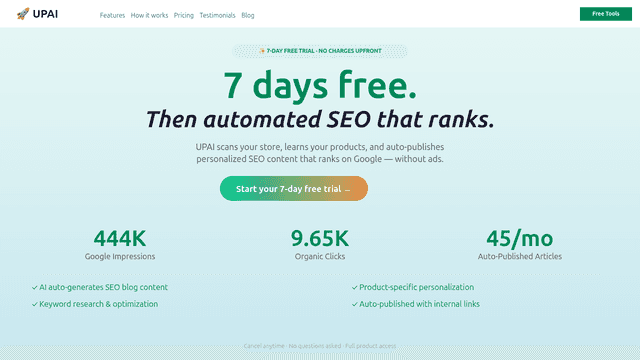
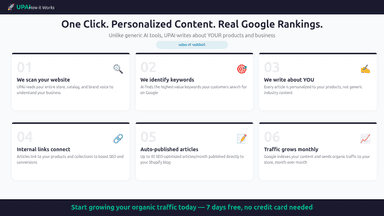
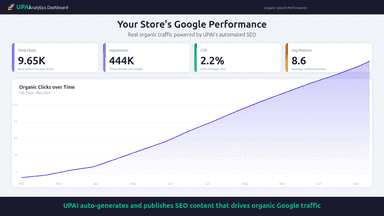
UPAI automates SEO content creation for Shopify stores. It scans your products and website, identifies high-value keywords, and publishes up to 45 personalized, Google-optimized articles per month — complete with your product images and internal links. Unlike generic AI tools, every piece of content is written about your actual products. No writing, no agencies, no ad budget needed.
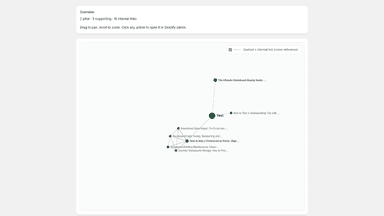
- AI plans pillar + supporting clusters for topical authority, not random posts
- GA4 + GSC built-in; weekly auto-optimization suggests content & link fixes
- Knowledge graph view — node size = pageviews, dashed lines = internal links
- AI content personalized to your products and brand voice
- Automatic keyword research targeting your niche and competitors
- Auto-publish up to 45 SEO articles/month with internal links
All the numbers
Every figure, side by side
A green dot marks the app ahead on a measured figure. Estimates, gaps and apps that leave no storefront trace never take the lead.
Adoption
| Measure |  AutoBlog |  UPAI |
|---|---|---|
| Detected stores | Not published | Not published |
| Net store change, 28 days | 0 | 0 |
| Stores added, 28 days | Not enough data | Not enough data |
| Big-brand share | Not enough data | Not enough data |
| Top store categories | Not published | Not published |
| Top store countries | Not published | Not published |
Reviews
| Measure | AutoBlog | UPAI |
|---|---|---|
| App Store rating | Not published | Not published |
| App Store reviews | Not published | Not published |
| New reviews, 28 days | Not enough data | Not enough data |
| Reviewers a year or more in | Not enough data | Not enough data |
FAQ
AutoBlog and UPAI: common questions
- Is AutoBlog or UPAI cheaper?
- Only AutoBlog lists a free plan. Paid plans start at $19/month for AutoBlog and $89/month for UPAI. Shoplist compares base prices only between monthly plans in the same currency; usage charges and annual plans vary, so check each plan’s limits.
- What features does each app list that the other doesn’t?
- AutoBlog lists 7 the others don’t mention, such as Automations, Content optimization, Insights and tips, JSON-LD. UPAI lists 3 the others don’t mention, such as Competitor analysis, Keyword analysis, Link analysis. A feature missing from a listing may still be supported; this compares what each App Store listing says.
- Where does this comparison’s data come from?
- Shoplist crawls Shopify storefronts to detect which apps each store runs, and reads each app’s Shopify App Store listing for reviews, pricing, features and integrations. Store counts are as of Oct 13, 2026; estimated figures are labeled.
How Shoplist compares apps
Store counts come from Shoplist’s crawl of Shopify storefronts, which detects the apps each store runs; they are as of Oct 13, 2026. Reviews, ratings, plans, features and integrations come from each app’s Shopify App Store listing. 28-day figures are labeled when estimated, and a figure that is missing or estimated never decides who leads. Read the methodology.