

APIEase: API Integration Hub vs Membrane
Two Shopify apps, side by side: detected stores, momentum, reviews, plans, listed features and who runs each. Store counts as of Nov 9, 2026 for APIEase, Jun 2, 2026 for Membrane.
The short answer
- Only APIEase lists a free plan.
- APIEase lists 12 features Membrane’s listing doesn’t mention, including Conditional logic, Customer tags, Email responses.
Head to head


- United States
- China
- Romania
Momentum
New reviews each month
Review pace is the clearest public read on how fast an app is winning new merchants.
FREE
- · 1,000 free lifetime calls for live store
- · Unlimited development store calls
Foundation
- · 1,000 calls/month
Pro
- · 500,000 calls/month
Scale
- · 10,000,000 calls/month
Coverage counts what each App Store listing names. Every feature, checked off app by app, is in Shoplist.
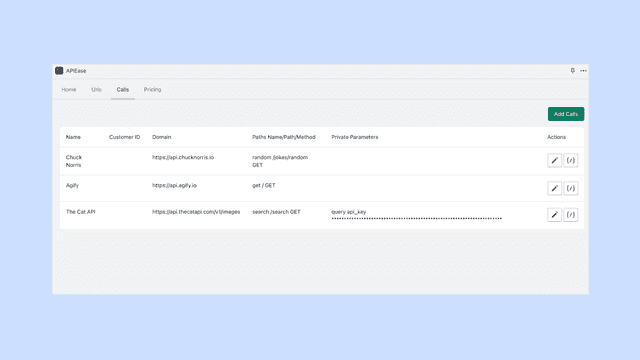
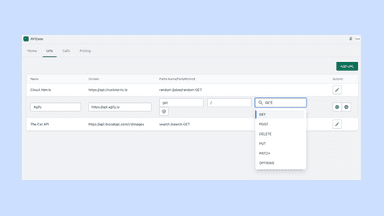
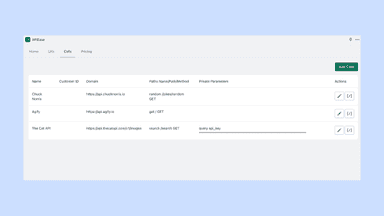
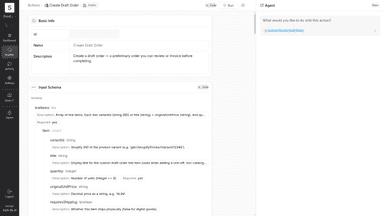
See every featureBuild secure API integrations for your store. APIEase handles storefront API calls, custom logic, data syncs, and automations so you can connect rewards, validations, suppliers, ERPs, and other external systems without exposing API credentials. Trigger integrations with webhooks, schedules, or Shopify Flow.
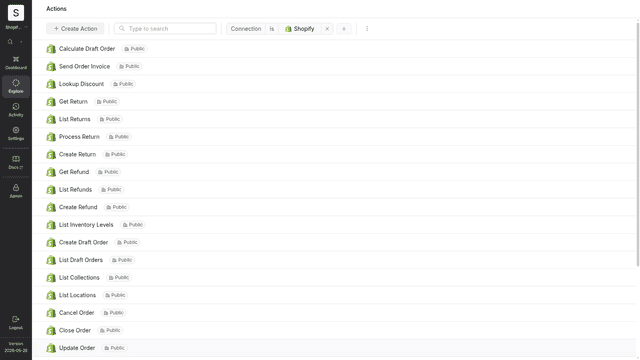
Membrane lets merchants securely connect their Shopify store to the third-party tools their business runs on — CRMs, ERPs, email platforms, analytics, accounting, and more. Authorize once, and any app built on Membrane can keep customers, orders, and products in sync across your stack.
- Secure authenticated API calls to any http API from Custom Liquid content pages.
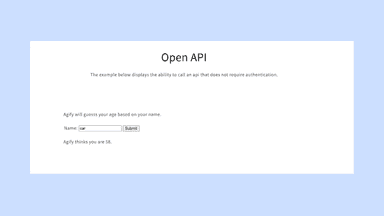
- Add interactive html content with 3rd party API integration including Meta API.
- We store your API credentials securely without exposing them in the storefront.
- Sync customers, orders, and products with the external apps your team uses
- Real-time updates via webhooks — no manual exports or scheduled batch jobs
- Authorize once; works across every app built on Membrane
- Granular scopes — approve only the permissions the connected app needs

All the numbers
Every figure, side by side
A green dot marks the app ahead on a measured figure. Estimates, gaps and apps that leave no storefront trace never take the lead.
Adoption
| Measure |  APIEase |  Membrane |
|---|---|---|
| Detected stores | 10 | Not published |
| Net store change, 28 days | 0 | 0 |
| Stores added, 28 days | Not enough data | Not enough data |
| Big-brand share | Not enough data | Not enough data |
| Top store categories | Apparel & Accessories, Business & Industrial, Electronics | Not published |
| Top store countries | United States, China, Romania | Not published |
Reviews
| Measure | APIEase | Membrane |
|---|---|---|
| App Store rating | 5.0 ★ | Not published |
| App Store reviews | 6 | Not published |
| New reviews, 28 days | 1 | Not enough data |
| Reviewers a year or more in | Not enough data | Not enough data |
FAQ
APIEase and Membrane: common questions
- Is APIEase or Membrane cheaper?
- Only APIEase lists a free plan. Shoplist compares base prices only between monthly plans in the same currency; usage charges and annual plans vary, so check each plan’s limits.
- What features does each app list that the other doesn’t?
- APIEase lists 12 the others don’t mention, such as Conditional logic, Customer tags, Email responses, Fraud detection. A feature missing from a listing may still be supported; this compares what each App Store listing says.
- Where does this comparison’s data come from?
- Shoplist crawls Shopify storefronts to detect which apps each store runs, and reads each app’s Shopify App Store listing for reviews, pricing, features and integrations. Store counts are as of Nov 9, 2026 for APIEase, Jun 2, 2026 for Membrane; estimated figures are labeled.
How Shoplist compares apps
Store counts come from Shoplist’s crawl of Shopify storefronts, which detects the apps each store runs; they are as of Nov 9, 2026 for APIEase, Jun 2, 2026 for Membrane. Reviews, ratings, plans, features and integrations come from each app’s Shopify App Store listing. 28-day figures are labeled when estimated, and a figure that is missing or estimated never decides who leads. Read the methodology.