

Agatha: AIO SEO Blog Generator vs Cloviana: SEO Blog Automation
Two Shopify apps, side by side: detected stores, momentum, reviews, plans, listed features and who runs each. Store counts as of Oct 14, 2026 for Agatha, Jul 17, 2026 for Cloviana.
The short answer
- Agatha lists 8 features Cloviana’s listing doesn’t mention, including Content analysis, JSON-LD, Keyword analysis.
Head to head


Pay as you go
- · $0.20 per successful draft
- · First successful article free
- · Generate up to 50 drafts at once
- · No monthly fee or unused credits
Coverage counts what each App Store listing names. Every feature, checked off app by app, is in Shoplist.
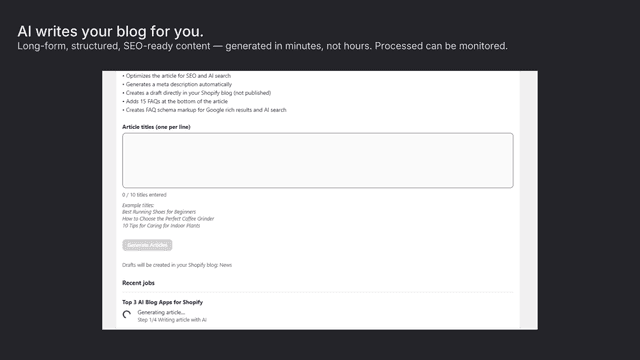
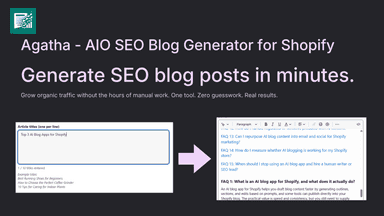
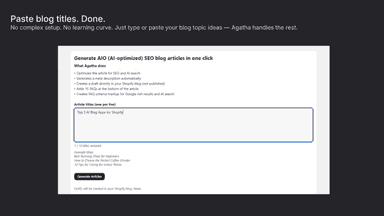
See every featureAgatha helps Shopify merchants generate AI-optimized SEO blog content. It’s designed for merchants who want to grow organic traffic through consistent blog publishing without writing content manually. Enter article titles and Agatha generates long-form blog posts optimized for search. Articles are automatically saved as draft posts in your Shopify blog so you can review and publish anytime.
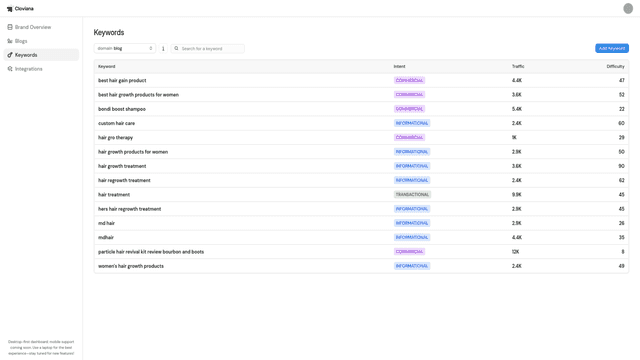
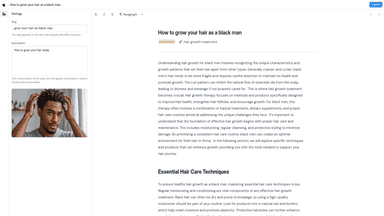
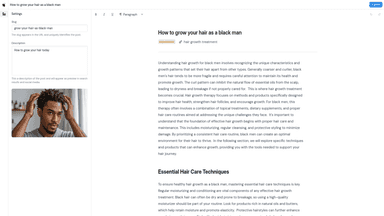
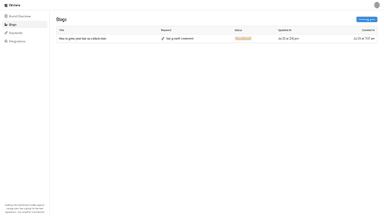
Cloviana turns your Shopify catalog into SEO-focused blog posts. It finds relevant keywords with real search demand, writes product-aware content that naturally embeds your items, and publishes posts to your store. No briefs, no managing writers—just consistent content designed to compound organic traffic over time.
- Generate long-form blog drafts from article titles using AI
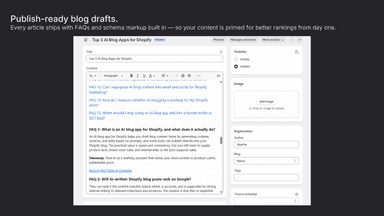
- Automatically save generated articles as draft posts in Shopify Blog
- Add built-in FAQ sections with JSON-LD structured data for blog posts
- Keyword research - A list of relevant keywords for your site is generated
- Blog posts - Writes relevant, informative blog posts for your audience
- AI Suggestions - Suggestions that help you drive traffic
All the numbers
Every figure, side by side
A green dot marks the app ahead on a measured figure. Estimates, gaps and apps that leave no storefront trace never take the lead.
Adoption
| Measure |  Agatha |  Cloviana |
|---|---|---|
| Detected stores | Not published | Not published |
| Net store change, 28 days | 0 | 0 |
| Stores added, 28 days | Not enough data | Not enough data |
| Big-brand share | Not enough data | Not enough data |
| Top store categories | Not published | Not published |
| Top store countries | Not published | Not published |
Reviews
| Measure | Agatha | Cloviana |
|---|---|---|
| App Store rating | Not published | Not published |
| App Store reviews | Not published | Not published |
| New reviews, 28 days | Not enough data | Not enough data |
| Reviewers a year or more in | Not enough data | Not enough data |
FAQ
Agatha and Cloviana: common questions
- What features does each app list that the other doesn’t?
- Agatha lists 8 the others don’t mention, such as Content analysis, JSON-LD, Keyword analysis, Metadata optimization. Cloviana lists 2 the others don’t mention, such as ALT text, Analytics. A feature missing from a listing may still be supported; this compares what each App Store listing says.
- Where does this comparison’s data come from?
- Shoplist crawls Shopify storefronts to detect which apps each store runs, and reads each app’s Shopify App Store listing for reviews, pricing, features and integrations. Store counts are as of Oct 14, 2026 for Agatha, Jul 17, 2026 for Cloviana; estimated figures are labeled.
How Shoplist compares apps
Store counts come from Shoplist’s crawl of Shopify storefronts, which detects the apps each store runs; they are as of Oct 14, 2026 for Agatha, Jul 17, 2026 for Cloviana. Reviews, ratings, plans, features and integrations come from each app’s Shopify App Store listing. 28-day figures are labeled when estimated, and a figure that is missing or estimated never decides who leads. Read the methodology.