
Admark ‑ Verified WhatsApp vs Lume ‑ WhatsApp Automation
Two Shopify apps, side by side: detected stores, momentum, reviews, plans, listed features and who runs each. Store counts as of Feb 19, 2026 for Admark, Oct 13, 2026 for Lume.
The short answer
- Lume lists 3 features Admark’s listing doesn’t mention, including Customizable widgets, Opt-in pop-ups, SMS notifications.
Head to head


All-in-One Plan
- · Abandoned cart recovery
- · All fees included — no surprise costs
- · COD order notification and verification
- · Low-stock alerts sent directly to you
- · Order confirmations, cancel & refund
- · Restock alerts and reorder reminders
Coverage counts what each App Store listing names. Every feature, checked off app by app, is in Shoplist.
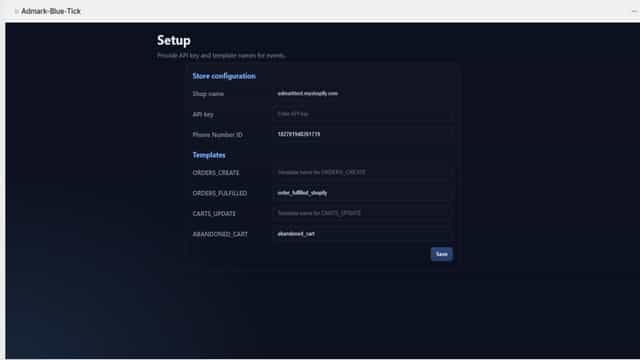
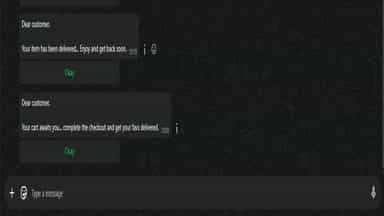
See every featureAdmark-Blue-Tick automates WhatsApp messages for key Shopify events—orders, fulfillments, cart updates, and abandoned checkouts—using verified, template-based sending. It reduces manual follow-up, improves recovery and customer engagement, and keeps buyers informed in real time. Store-specific templates and robust logging make messaging consistent, compliant, and easy to monitor.
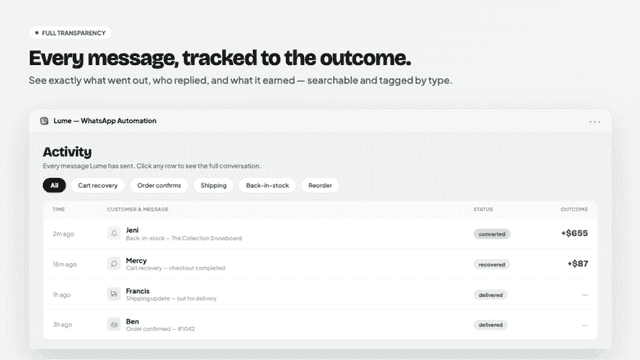
Many customers miss the order updates and cart reminders that stores send by email. Lume sends these messages on WhatsApp instead, delivered straight to the customer's phone. It automates cart recovery reminders, order confirmations, shipping updates, reorder reminders, and back-in-stock alerts. Every template is editable, and you can see delivery and recovered revenue from one dashboard inside your Shopify admin.
- Automated WhatsApp alerts for orders, fulfillments, and carts.
- Recover sales with abandoned-cart WhatsApp messages.
- Use your own verified templates per event and store.
- Customer phone auto-detected for precise outreach.
- Recover abandoned carts with automated WhatsApp reminders and follow-ups
- Send order confirmations and shipping updates the moment they happen
- Bring shoppers back with back-in-stock alerts and reorder reminders
- Track replies and recovered revenue from one dashboard in your admin



All the numbers
Every figure, side by side
A green dot marks the app ahead on a measured figure. Estimates, gaps and apps that leave no storefront trace never take the lead.
Adoption
| Measure |  Admark |  Lume |
|---|---|---|
| Detected stores | Not published | Not published |
| Net store change, 28 days | 0 | 0 |
| Stores added, 28 days | Not enough data | Not enough data |
| Big-brand share | Not enough data | Not enough data |
| Top store categories | Not published | Not published |
| Top store countries | Not published | Not published |
Reviews
| Measure | Admark | Lume |
|---|---|---|
| App Store rating | Not published | Not published |
| App Store reviews | Not published | Not published |
| New reviews, 28 days | Not enough data | Not enough data |
| Reviewers a year or more in | Not enough data | Not enough data |
FAQ
Admark and Lume: common questions
- What features does each app list that the other doesn’t?
- Admark lists 1 the others don’t mention, such as Behavior tracking. Lume lists 3 the others don’t mention, such as Customizable widgets, Opt-in pop-ups, SMS notifications. A feature missing from a listing may still be supported; this compares what each App Store listing says.
- Where does this comparison’s data come from?
- Shoplist crawls Shopify storefronts to detect which apps each store runs, and reads each app’s Shopify App Store listing for reviews, pricing, features and integrations. Store counts are as of Feb 19, 2026 for Admark, Oct 13, 2026 for Lume; estimated figures are labeled.
How Shoplist compares apps
Store counts come from Shoplist’s crawl of Shopify storefronts, which detects the apps each store runs; they are as of Feb 19, 2026 for Admark, Oct 13, 2026 for Lume. Reviews, ratings, plans, features and integrations come from each app’s Shopify App Store listing. 28-day figures are labeled when estimated, and a figure that is missing or estimated never decides who leads. Read the methodology.